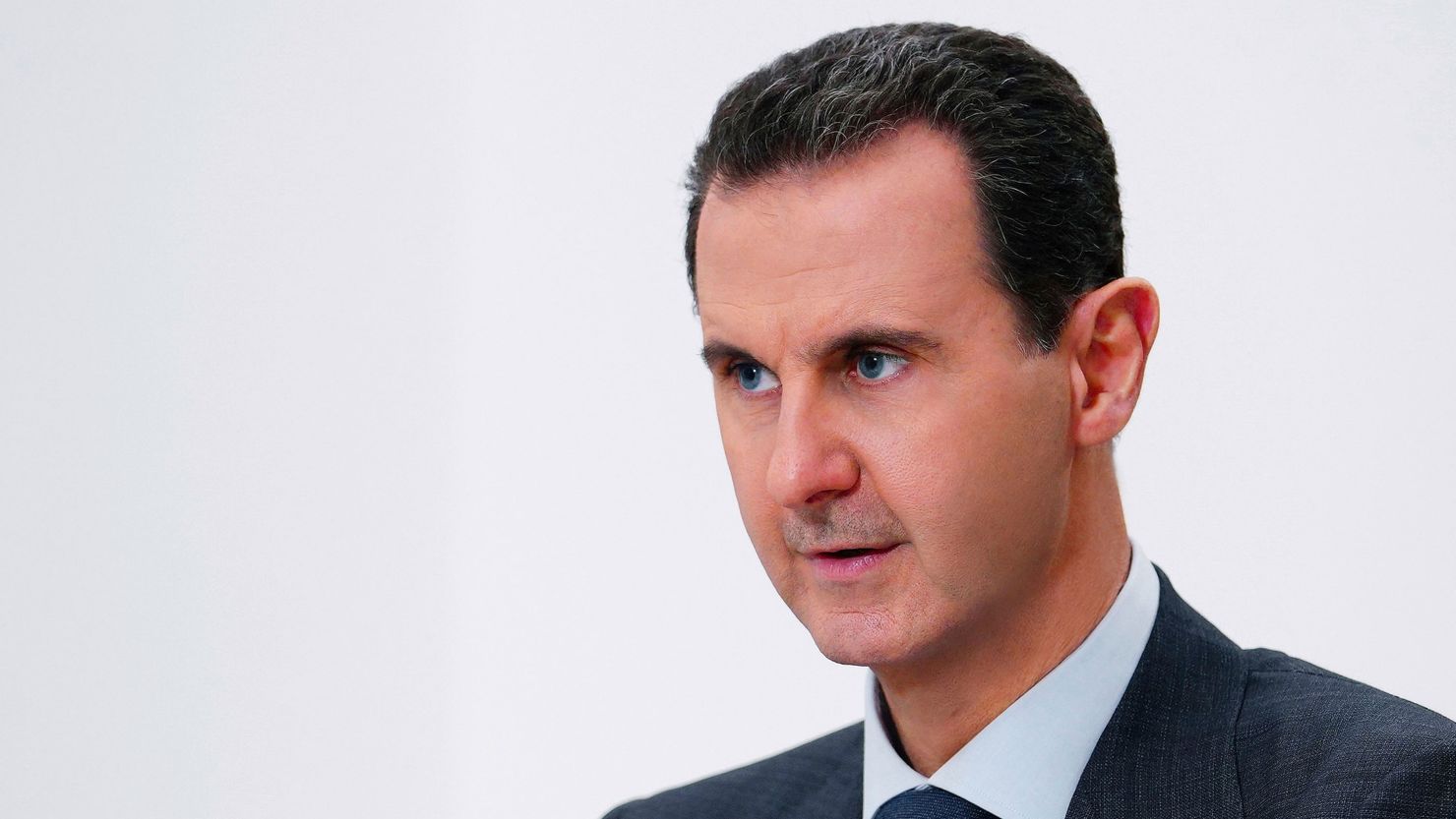
The announcement of President Bashar Al Assad’s ousting and the end of his nearly 25-year rule sent waves of mixed emotions through the Syrian expatriate community in the UAE. For many, the fall of the Assad regime, which marked the end of 50 years of family rule, was a moment of jubilation tempered with caution.
A Night of Anticipation
As news of the rebels’ takeover of Damascus broke, Syrians worldwide stayed glued to their screens. In the UAE, families like 37-year-old Faten’s (name changed upon request) anxiously followed the events through the night.
“We didn’t sleep the whole night,” Faten shared. “At 4 a.m., the troops peacefully took over the capital. We are finally free. This feels like our new national day.”
The Assad regime’s fall follows a brutal 13-year civil war that began in 2011 with government crackdowns on peaceful protests. The war left over 500,000 dead and millions displaced. On Sunday, rebels announced the peaceful transfer of power after a lightning offensive that reportedly led to Assad fleeing Damascus by plane.
Celebrations Mixed with Caution
While many celebrated the regime’s collapse, uncertainties about Syria’s future tempered their joy. Speaking on the situation, the UAE’s diplomatic adviser Anwar Gargash expressed concern over the potential for instability to lead to extremism and terrorism.
“Unfolding events in Syria are a clear indication of political failure and the destructive nature of conflict and chaos,” Gargash warned. He emphasized the need for free elections to allow Syrians to choose their leaders and cautioned against non-state actors exploiting the power vacuum. “The driver in the future of Syria has to be Syrian,” he added.
A Glimmer of Hope Amid Uncertainty
For Syrians like Mohammed, a 32-year-old translator in Dubai, the fall of the Assad regime offers a sense of hope, albeit guarded.
“It feels like I just woke up from a nightmare,” he said. “After 13 years of fleeing, I now have hope that I may be able to visit my country and land again.”
However, Mohammed also acknowledged the precariousness of the situation. “Until the new government is formed, everything remains uncertain. The country is deeply divided, and the potential for internal conflict is significant.”
He expressed concern about lingering tensions between Assad supporters and opponents, emphasizing the need for reconciliation. “If we don’t let go of our hard feelings and live peacefully together, violence could escalate again.”
Emotional Reunions and Challenges Ahead
Social media and news outlets showcased touching scenes of reunions as political prisoners were released and refugees began their journeys home. Faten highlighted the emotional relief felt by many Syrians. “A lot of political prisoners were freed, and many refugees are returning. It’s such a happy day for all of us.”
However, Mohammed pointed out the long road to recovery for those returning from years of imprisonment. “Some prisoners were kept in overcrowded jails, deprived of sunlight for years. Hospitals are now preparing to address their physical and mental health challenges.”
The Path Forward
As Syrians in the UAE and around the world celebrate this monumental moment, the focus now shifts to rebuilding their homeland. While the fall of Assad brings hope, it also underscores the need for reconciliation, stability, and the establishment of democratic governance.
The transition to peace will not be easy, but Syrians remain hopeful that this marks the beginning of a brighter future for their country.