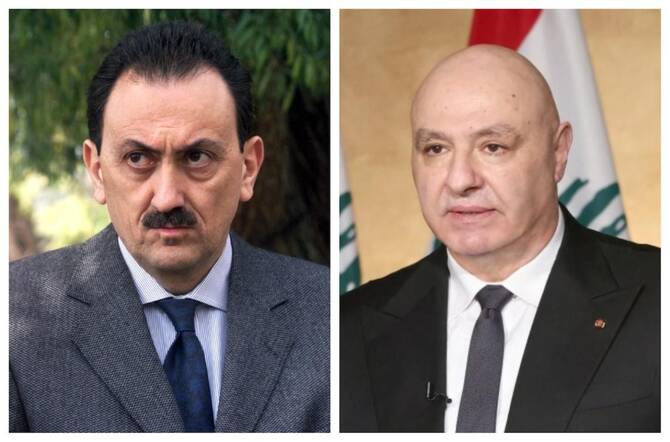
Lebanese President Joseph Aoun said Monday that planned talks with Israel aim to end “hostilities” and the Israeli occupation in the south. He named ex-ambassador Simon Karam to lead a delegation for the Lebanon Israel talks. “The choice to negotiate aims to stop hostilities, end the Israeli occupation of southern regions and deploy the (Lebanese) army all the way to the internationally recognized southern borders” with Israel, Aoun said in a statement.
Aoun named former Lebanese ambassador to Washington, Karam, to head the negotiations. The president said the Lebanon Israel talks will be “separate from any other negotiations.” This separation refers to US-Iran diplomacy aimed at ending the wider Middle East war. Therefore, Lebanon seeks to address its own border security concerns independently of broader regional negotiations.
Background of the Lebanon Israel Talks
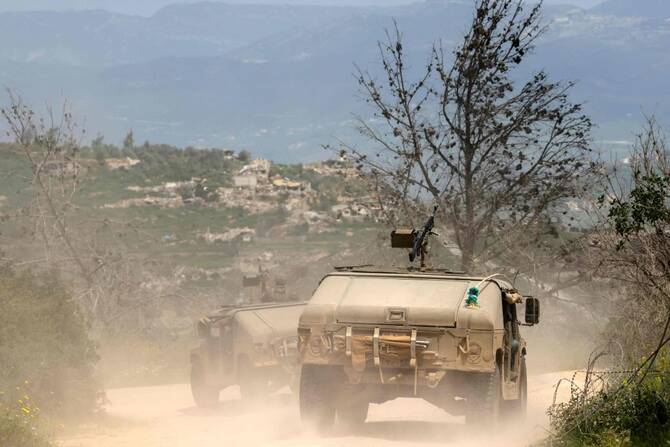
The Lebanon Israel talks come after months of cross-border violence. Hezbollah, the Iranian-backed militant group, has traded fire with Israeli forces since the Gaza war began. The conflict escalated significantly after the US and Israel attacked Iran on Feb. 28. Israeli forces have conducted ground operations in southern Lebanon. Thousands of Lebanese civilians have fled their homes near the border.
The proposed Lebanon Israel talks would mark a significant diplomatic development. Lebanon and Israel remain technically in a state of war. They have no formal diplomatic relations. Previous negotiations over maritime borders occurred under US mediation. However, direct talks on territorial issues have been rare. Therefore, Aoun’s announcement represents a potential breakthrough.
Key Issues on the Negotiating Table
The Lebanese army would deploy to the southern borders under the proposed agreement. Currently, Hezbollah maintains a significant military presence in the south. UN Resolution 1701, which ended the 2006 war, called for Hezbollah’s disarmament and the Lebanese army’s deployment. However, that resolution was never fully implemented. The Lebanon Israel talks could finally address this long-standing gap.
Israeli occupation refers to several disputed points along the border. The Shebaa Farms area remains a particular point of contention. Lebanon claims this territory, while the UN considers it occupied Syrian land under Israeli control. The Ghajar village is also divided between Lebanese and Israeli-controlled areas. Resolving these territorial issues would remove a key justification for Hezbollah’s armed presence.
The Lebanon Israel talks face significant obstacles. Hezbollah has not publicly endorsed Aoun’s announcement. The group’s leader, Hassan Nasrallah, has previously rejected direct negotiations with Israel. Hezbollah is designated as a terrorist organization by the United States and Israel. Therefore, any agreement would need to address the group’s military capabilities and political role.
International Reactions and Next Steps
The United States has welcomed the announcement. US officials have long sought to broker a diplomatic solution to the Lebanon-Israel border crisis. France, which maintains close ties with Lebanon, has also expressed support. However, Iran has not yet commented on the Lebanon Israel talks. Tehran’s reaction will be crucial, given Hezbollah’s dependence on Iranian support.
Simon Karam brings significant diplomatic experience to his new role. He served as Lebanon’s ambassador to the United States from 2017 to 2021. He also held positions at the Lebanese Ministry of Foreign Affairs. His Washington connections could prove valuable in securing US support for any eventual agreement.
The timing of the Lebanon Israel talks coincides with broader diplomatic efforts. Iran and the US are scheduled to meet in Pakistan this week. That meeting aims to extend the two-week ceasefire that halted the wider war. A Lebanese-Israeli agreement would complement any US-Iran deal. It would reduce tensions on Israel’s northern front while negotiations continue with Tehran.
Aoun’s statement did not specify a date or location for the Lebanon Israel talks. However, diplomatic sources suggest that discussions could begin within weeks. The coming days will reveal whether Hezbollah accepts or rejects this initiative. Either way, Aoun has placed the issue of Israeli occupation firmly on the diplomatic agenda. The Lebanese people will watch closely as their president charts a new course toward potential peace.