The Houthis (officially known as Ansar Allah) have evolved from a small Zaydi revivalist movement in Yemen’s rugged northern mountains into a disruptive regional force capable of shaping global security and trade. Once dismissed as local rebels, the Houthis today are both rulers of northern Yemen and key players in the Middle East’s most volatile conflicts. Their rise is a story of resilience, opportunism, and the ability of a marginalized movement to transform into a global disruptor.
Seeds of Rebellion
The Houthis trace their roots to the 1990s in Saada governorate, a heartland of Yemen’s Zaydi Shia minority, whose centuries-old imamate had been overthrown in 1962. Their founder, Hussein Badreddin al-Houthi, launched a revivalist campaign to resist the spread of Saudi-backed Salafism, which he viewed as an existential threat to Zaydi identity.
With fiery sermons railing against U.S. dominance, Israeli policies, and Saudi influence, Hussein’s message resonated with disillusioned tribes. What began as a religious awakening soon acquired the contours of armed resistance.
Six Wars and a Martyr
In 2004, tensions with President Ali Abdullah Saleh exploded into rebellion. Hussein was killed in battle, but his death transformed him into a martyr. Over the next six years, the Houthis fought six brutal wars against Saleh’s forces.
Each conflict left northern Yemen devastated, yet the Houthis emerged stronger—adapting guerrilla tactics, securing local alliances, and tightening their grip on Saada. By the dawn of the Arab Spring in 2011, they had become more than rebels: they were an organized, battle-hardened movement.
The March on Sanaa
The 2011 Yemeni uprising toppled Saleh, plunging the country into a fragile transition under Abdrabbuh Mansur Hadi. But the vacuum of authority played to the Houthis’ strengths. They expanded southward, and in September 2014, they shocked the world by seizing Sanaa, Yemen’s capital, in alliance with Saleh loyalists—the same man they had once fought bitterly.
This marked a turning point: from mountain insurgents to rulers at the heart of Yemen’s political power.
Saudi Arabia Strikes Back
The Houthi takeover of Sanaa in 2015 triggered a massive response. A Saudi-led coalition, supported by the United States and the UAE, launched a war aimed at restoring Hadi’s government.
But the campaign backfired. Instead of a quick victory, Riyadh found itself in a grinding war against a resilient enemy. With Iran’s backing in weapons, training, and political support, the Houthis held their ground. By 2017, their uneasy alliance with Saleh collapsed—culminating in his death at their hands.
Meanwhile, the humanitarian catastrophe escalated: famine, cholera, and displacement pushed Yemen into what the United Nations called the world’s worst humanitarian crisis.
Expanding the Battlefield
By the late 2010s, the Houthis were not only entrenched in northern Yemen but also striking beyond it. Using drones and ballistic missiles, they targeted Saudi cities, airports, and oil facilities. In 2019, an attack on Saudi Aramco temporarily crippled global oil supplies, proving the Houthis’ reach could jolt world markets.
By 2022, the conflict had settled into a deadlock. The Houthis ran northern Yemen as a de facto state, while Saudi-backed forces controlled much of the south. Yet their ambitions were shifting outward.
The Red Sea Front
In 2023, the war in Gaza reignited tensions across the region. The Houthis cast themselves as defenders of Palestine, integrating deeper into Iran’s so-called “Axis of Resistance.”
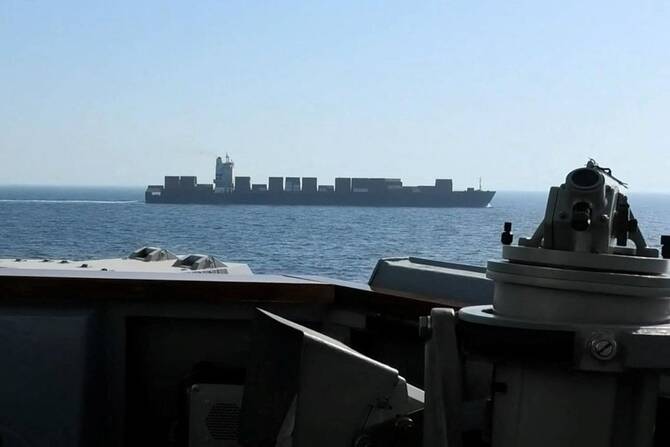
They began attacking commercial shipping in the Red Sea, one of the world’s busiest trade routes. What began as symbolic strikes escalated into a crisis that forced global shipping companies to reroute vessels around Africa. Insurance costs soared, global supply chains wobbled, and the Houthis became recognized not just as a Yemeni faction—but as a threat to international commerce.
The U.S. and U.K. launched retaliatory airstrikes in 2024, but the Houthis absorbed the blows and continued their campaign, displaying a resilience honed by two decades of war.
2025: The Airstrike in Sanaa
The conflict reached new heights on 30 August 2025, when Israel conducted a rare airstrike in Sanaa, killing the Houthi prime minister and senior officials. The strike marked one of the most serious attempts to decapitate Houthi leadership, underscoring how far they had risen—from obscure rebels to targets of international powers.
This escalation added a dangerous new dimension, drawing the Houthis into direct confrontation with Israel, and widening the Middle East’s proxy wars.
What Comes Next?
The Houthis’ trajectory points to three possible futures:
- Consolidation of Power
They entrench their rule in northern Yemen, negotiating with Saudi Arabia and the United Nations for international recognition—effectively institutionalizing their insurgent state. - Regional Expansion
They deepen their alignment with Iran, evolving into a permanent proxy akin to Hezbollah, shaping conflicts from the Red Sea to the Gulf. - Escalation
Their attacks provoke harsher responses from the West and Israel, triggering a regional conflagration that could engulf the Arabian Peninsula.
Yet internal pressures could be just as decisive. Economic collapse, famine, and growing discontent among Yemenis threaten their legitimacy at home, even as they posture as regional disruptors.
Conclusion: Rebels No More
The Houthis’ rise illustrates how local grievances can metastasize into global crises. From the rugged mountains of Saada to the global shipping lanes of the Red Sea, they have defied the odds, outlasted regional giants, and inserted themselves into the heart of Middle Eastern geopolitics.
In 2025, the question is not whether the Houthis matter. It is whether the world can contain a movement that has mastered the art of surviving—and disrupting—against the most powerful odds.