Sudan’s Prime Minister Kamil Idris announced a major symbolic move on Sunday. The nation’s government officially returned to the capital, Khartoum. This ends a nearly three-year relocation to the wartime capital of Port Sudan. The return signals a tentative step toward normalcy amid ongoing conflict. Prime Minister Idris addressed reporters from the ravaged capital. He framed the move as the return of the “Government of Hope.” The Sudan government now faces the monumental task of rebuilding a city destroyed by war. This transition occurs while fighting between the army and the paramilitary Rapid Support Forces continues.
The Prime Minister made several key promises during his announcement. He pledged better services, improved healthcare, and hospital reconstruction. His commitments also included developing educational services. Furthermore, he vowed to improve electricity, water, and sanitation infrastructure. These are immense challenges for the returning Sudan government. Khartoum has suffered widespread destruction since the conflict began in April 2023. Basic services have collapsed, and millions of residents have been displaced. Consequently, the administration’s ability to deliver on these promises will be a critical test of its legitimacy and effectiveness.
The Significance of Returning to Khartoum
The return to the capital carries profound political and psychological weight. Operating from Port Sudan created physical and perceived distance between the state and its people. Relocating the Sudan government back to Khartoum is an attempt to reassert central authority. It aims to project stability and a commitment to national unity. However, the move is largely symbolic at this stage. Significant portions of the capital remain active conflict zones or are under paramilitary control. Therefore, the government’s actual operational capacity within the city is likely limited and heavily secured.
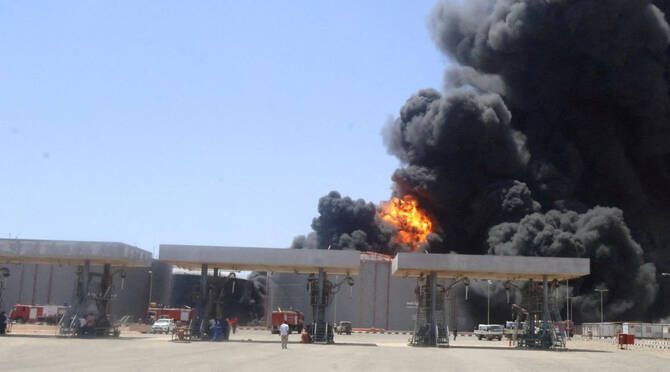
The war between the Sudanese Armed Forces and the Rapid Support Forces continues unabated. This reality severely constrains any reconstruction plans. Fighting has caused catastrophic damage to Khartoum’s infrastructure. Key ministries, power plants, and water treatment facilities lie in ruins. The returning Sudan government will initially operate from a fragile foothold. Its priority will be securing a stable administrative zone. Only then can it begin the complex process of service restoration. This endeavor requires a level of security that currently does not exist across most of the metropolitan area.
Challenges of Service Delivery and Reconstruction
The promises made by Prime Minister Idris outline a daunting roadmap. Rebuilding hospitals requires not just construction materials but also medical equipment and staff. Many healthcare professionals have fled the country or been killed. Improving educational services necessitates rehabilitating schools and ensuring teacher safety. Restoring electricity and water networks involves repairing heavily damaged grids and pipelines. Each of these tasks depends on a secure environment and significant international funding. The Sudan government currently lacks the resources to undertake such projects independently.
The humanitarian context further complicates the return. According to UN estimates, over half of Sudan’s population needs aid. Khartoum itself hosts a large population of internally displaced persons. These individuals live in dire conditions with minimal access to food or medicine. Any government-led improvement in services must address their urgent needs first. This requires coordinated logistics and secure distribution channels. The Sudan government will need to partner closely with international aid agencies. However, bureaucratic hurdles and access restrictions have historically hampered such collaboration during the conflict.
Political Implications and Future Risks
The return is also a political maneuver by Prime Minister Idris. It seeks to strengthen his government’s standing both domestically and internationally. By planting the flag in Khartoum, he demonstrates a claim to sovereignty. This may help in negotiations with rival factions and in appeals for foreign aid. However, the move carries substantial risk. It could make the government a more proximate target for the Rapid Support Forces. Furthermore, failure to deliver tangible improvements quickly could erode public trust. The population’s patience is exhausted after years of war and suffering.
The international community will watch this transition closely. Donor nations and institutions have been reluctant to fund reconstruction without a credible peace process. The Sudan government’s physical presence in Khartoum may not be enough to unlock major funds. Concrete steps toward a ceasefire and inclusive political talks are still the primary demands. Therefore, the administration must balance reconstruction rhetoric with genuine diplomatic outreach to end the war. The return to the capital could be a precursor to renewed peace efforts, or it could simply reshuffle the deck in a continuing stalemate.
The coming months will determine the move’s true impact. Security assessments will reveal if government ministries can function effectively. The flow of civil servants back to the capital will be a key indicator. Most importantly, any measurable improvement in civilian life will be the ultimate metric. For now, the return of the Sudan government to Khartoum is a fragile symbol of aspiration. It represents a desire to reclaim the nation’s heart from the grip of war. The path from symbolism to substantive change, however, remains long and perilous.