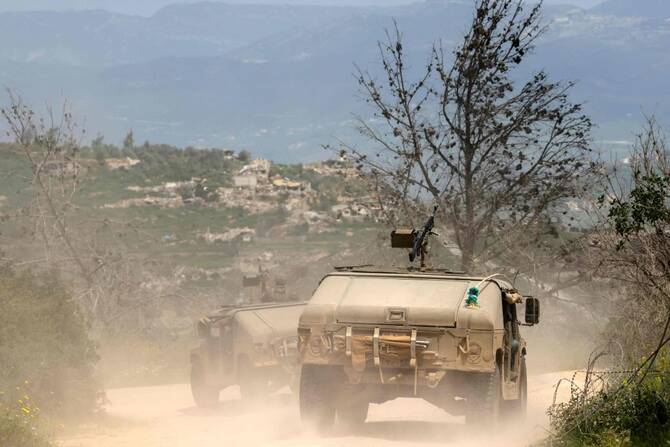
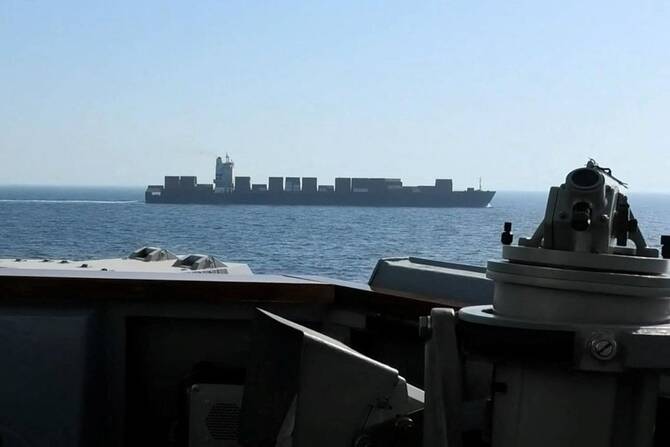
UN peacekeepers in Lebanon have condemned Israel’s “unacceptable” use of unidentified chemical substances during intensified airstrikes along the border. The UN Interim Force in Lebanon said Israeli forces dropped the material on agricultural land near the Blue Line. This action forced peacekeepers to cancel operations and shelter for over nine hours. Consequently, UNIFIL stated the move violates UN Security Council Resolution 1701 and deliberately restricts its mandate. The Lebanese Ministry of Environment accused Israel of “environmental annihilation” targeting the resilience of southern residents.
The chemical incident occurred during a day of escalated violence. Israeli strikes killed at least one person and wounded eight across southern Lebanon. Targets included a car in Sidon district, killing a Hezbollah commander, and vehicles near Tyre. Israel stated it struck “Hezbollah military infrastructure,” but residential areas sustained damage. The UN peacekeepers expressed serious concern for civilian and peacekeeper health, plus long-term effects on agriculture and the return of displaced communities. This event marks a dangerous escalation in the ongoing border conflict.
Details of the Chemical Deployment and UN Response
UNIFIL reported the Israeli army notified it of a planned aerial operation to drop a “non-toxic substance.” Despite this warning, peacekeepers were instructed to keep their distance and remain under cover. The deployment forced the cancellation of more than ten patrols and restricted operations along one-third of the Blue Line. UN peacekeepers assisted the Lebanese army in collecting samples from affected areas for toxicity testing. The mission emphasized this was not the first time Israel had dropped unidentified substances on Lebanese territory.
The UN’s statement was forceful, calling the action “unacceptable” and contrary to Resolution 1701. It argued such deliberate actions endanger the health of peacekeepers and civilians alike. Furthermore, it raised alarms about the substance’s impact on agricultural land, a vital livelihood for southern communities. The restriction of movement also directly impedes UNIFIL’s core mandate to monitor the ceasefire and maintain stability along the border. This creates a volatile situation where monitoring and de-escalation mechanisms are physically obstructed.
Escalating Military Strikes and Civilian Impact
Monday’s violence extended beyond the chemical deployment. An Israeli drone strike in Ansariyeh killed Hezbollah field commander Abbas Ghadboun, wounding four civilians. Another strike injured four people in Al-Qlailah. Israel issued evacuation warnings for buildings in Kfar Tebnit and Ain Qana before launching airstrikes that residents said damaged about twenty residential buildings. Ground activity included an Israeli incursion into Ayta ash-Shaab, where forces planted explosives in a house before destroying it.
The Lebanese Health Ministry confirmed civilian casualties. Israeli overflights violated Lebanese airspace as far as Baalbek in the east. The Israeli military justified the strikes as targeting Hezbollah members attempting to rebuild capabilities, alleging violations of the November 2024 ceasefire. However, the breadth of strikes hitting vehicles on public highways and residential neighborhoods indicates a significant intensification, increasing the risk of wider conflict and humanitarian crisis.
Read Also
Australia Enacts Social Media Ban for Under-16s
France Moves to Ban Social Media for Under-15s
Lebanese and International Diplomatic Reactions
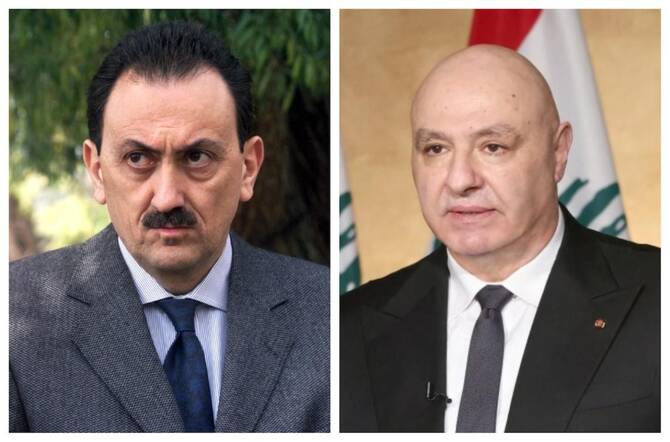
Lebanon’s Environment Minister, Tamara El-Zein, labeled the chemical spraying part of a pattern of environmental destruction. She linked it to previous Israeli use of white phosphorus and incendiary munitions that burned 9,000 hectares of land. The ministry is testing samples to determine toxicity. Concurrently, President Joseph Aoun was in Madrid seeking international pressure on Israel. He urged Spain and the EU to push for a halt to attacks and full implementation of the ceasefire and Resolution 1701.
Aoun also discussed the future of international forces in Lebanon. With UNIFIL’s mandate ending in December, Lebanon seeks bilateral agreements for nations to keep troops in the south. Spain’s Prime Minister Pedro Sanchez said any decision would follow EU discussions, affirming support for Lebanese stability. This diplomatic push highlights Lebanon’s fear of being abandoned to further escalation once the UN peacekeeping mission formally ends, potentially creating a security vacuum.
Broader Context of the Israel-Hezbollah Conflict
The border region has remained tense since the 2006 war. Periodic flare-ups have increased in frequency and severity. The November 2024 ceasefire has been repeatedly violated by both sides. Hezbollah maintains a armed presence along the border, which Israel cites to justify its strikes. Lebanon’s government, including President Aoun, acknowledges the need to extend state authority and clear the army’s deployment areas of other armed groups, but lacks the capability without significant international military support.
The use of an unidentified chemical substance, even if claimed non-toxic, represents a qualitative escalation. It introduces a new variable of potential environmental warfare and psychological terror aimed at displacing communities permanently. It also tests the limits of international law and the UN’s ability to protect its own personnel. If the substance is proven toxic, it could constitute a serious violation of international conventions, triggering a much stronger global response.
Implications for Regional Stability and UNIFIL’s Future
The incident severely undermines UNIFIL’s operational effectiveness. If peacekeepers cannot patrol safely, their deterrent and monitoring role collapses. This creates a permissive environment for further escalation. The coming months until UNIFIL’s mandate expiry in December will be critical. The mission’s ability to investigate this chemical use and restore its freedom of movement will test its remaining authority.
For regional stability, the escalation risks triggering a wider Hezbollah-Israel war. Hezbollah has vast rocket arsenals and has vowed retaliation for commander killings. A miscalculation or deliberate strike on a high-value target could spiral rapidly. The international community faces a dilemma: exerting pressure on Israel risks being seen as condoning Hezbollah’s attacks, while inaction normalizes the use of chemicals and intensified strikes on Lebanese territory. The UN peacekeepers’ condemnation is a clear warning that the situation is nearing a breaking point.