The Chadian government has ordered the immediate closure of its eastern frontier with Sudan. This decision follows weekend violence that killed five soldiers. Officials confirmed the Chad Sudan border would remain sealed until further notice. They aim to prevent further incursions after deadly clashes.
The closure comes after intense fighting near the border town of Tine. According to security sources, the clashes involved the Rapid Support Forces (RSF) and militia groups. These militias align with the Sudanese national army. Cross-border fire led to the deaths of five Chadian troops. Three civilians also died, and a dozen people sustained wounds on the Chadian side. These sources spoke on condition of anonymity.
Government Cites Repeated Violations
In an official statement on Monday, the government justified the move. They pointed to “repeated incursions and violations” by forces in Sudan’s conflict. The statement emphasized that this action protects citizens and maintains territorial integrity. “This measure aims to prevent any risk of the conflict spreading to our soil,” the communique read. It also aims to protect citizens and refugee populations. Guaranteeing the stability and territorial integrity of our country remains the primary goal.
This incident marks another spillover from the neighboring civil war. The conflict between the Sudanese army and the RSF began in April 2023. Since then, Chad’s eastern provinces have suffered periodically. Stray bullets, aerial bombardments, and armed incursions have occurred. Last year, a drone attack killed two Chadian soldiers in the same region. No group officially claimed responsibility for that incident. The porous border has long presented a security challenge. The intensity of the current Sudanese civil war has exacerbated these vulnerabilities significantly.
Military Reinforcements Deployed to the Region
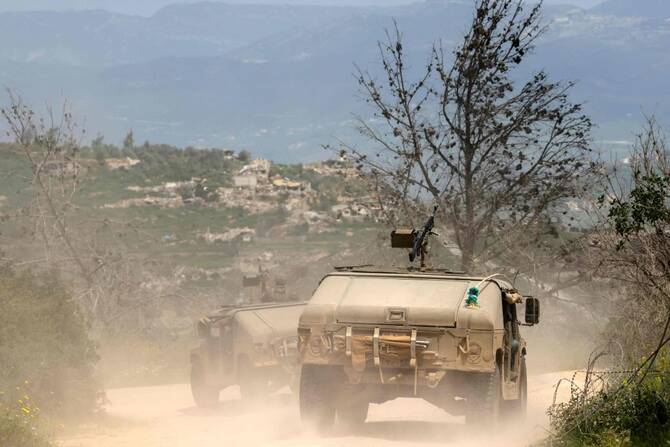
A border guard officer stationed in Tine confirmed the death toll to Reuters. He indicated that authorities are implementing additional security measures. “The deaths of our five colleagues is a heavy price,” the officer stated. “We require a stronger presence to ensure the safety of civilians on our side.” Two separate security sources confirmed the redeployment. More Chadian troops are currently moving to the volatile eastern region. They will enforce the closure and secure the frontier.
Analysts suggest this violence alters Chad’s regional position. “One thing is certain: whether we like it or not, Chad now appears to be a party to the conflict,” remarked Ahmat Yacoub. He works at the Center for Studies for the Development and Prevention of Extremism. This regional think tank’s assessment underscores growing concern. The Chad Sudan border is no longer just a transit point for refugees. It is now an active front line in a regionalized conflict.
Humanitarian Implications of the Border Closure
The humanitarian implications of this closure are significant. Eastern Chad currently hosts hundreds of thousands of Sudanese refugees. These people have fled the violence since 2023. Sealing the official crossing points could trap people in need. Urgent assistance may not reach those on either side. The flow of aid could face severe disruptions. International organizations operating in the region are now assessing the impact. They need to understand how the shutdown will affect supply chains. Registering new arrivals may also become more difficult.
Neither the Sudanese army nor the RSF has issued an official response. The closure represents a diplomatic rebuke to both warring parties. It signals that N’Djamena will no longer tolerate the conflict’s externalities. Chad has previously attempted to mediate in the Sudanese crisis. However, the repeated targeting of its sovereign territory has hardened its stance. The government now prioritizes national security over regional diplomatic niceties.
Strategic Importance of the Border Town of Tine
The strategic town of Tine sits directly on the frontier. It has changed hands multiple times during the Sudanese civil war. Its proximity to Chadian villages puts local populations at risk. They are often the first to suffer when fighting intensifies. Residents in the area reported hearing heavy weapons fire throughout the weekend. Many fled deeper into Chad to escape the escalating violence.
As Chad moves to secure its territory, regional dynamics remain fraught. The country’s military government faces internal political pressures. President Mahamat Idriss Deby also contends with external security threats. By enforcing a strict closure, the administration projects strength. They demonstrate a determination to prioritize national security above all else.
For now, all cross-border movement has halted. Markets that once thrived on trade between the two nations stand empty. Families separated by the border are once again cut off from one another. The eastern frontier will remain a tense and heavily militarized zone. It stands as a physical barrier to the chaos unfolding just beyond its line. The situation will persist until security stabilizes and the Chadian government deems it safe to reopen the Chad Sudan border.