United Nations Secretary-General Antonio Guterres delivered a stark warning to the Human Rights Council on Monday. He declared that human rights face a “full-scale attack around the world.” The UN chief stated that international law is being systematically undermined. He warned that the rule of law now struggles against a rising rule of force. The most powerful nations often lead this assault, he added.
Guterres opened the 58th session of the Human Rights Council in Geneva with a sobering assessment. “The rule of law is being outmuscled by the rule of force,” he told assembled diplomats and representatives. He described the attack on rights as happening in plain sight. It often comes from those who hold the greatest power, he emphasized. The secretary-general did not mince words about the current global trajectory.
Global Human Rights Under Systematic Attack
“This assault is not coming from the shadows, or by surprise,” Guterres stated firmly. “It is happening in plain sight — and often led by those who hold the greatest power.” His comments set a grave tone for the council’s upcoming sessions. He described a world where mass suffering is excused away. Humans are increasingly treated as bargaining chips in geopolitical struggles. International law faces dismissal as a mere inconvenience by powerful actors.
The secretary-general painted a picture of cascading crises. He noted that humanitarian needs explode while funding simultaneously collapses. Inequalities widen at staggering speed across the globe. Many countries drown in debt and despair, he observed. Climate chaos continues to accelerate with devastating effects. Technology, particularly artificial intelligence, increasingly suppresses rights rather than expanding them. These forces push vulnerable populations further to the margins.
Ukraine Conflict Continues to Claim Lives
While avoiding specific situations in his opening remarks, Guterres later addressed ongoing conflicts. He expressed outrage at Russia’s continuing war in Ukraine. More than 15,000 civilians have died in four years of violence, he reported. “It is more than past time to end the bloodshed,” he insisted. The figure represents only confirmed deaths, with actual numbers likely higher.
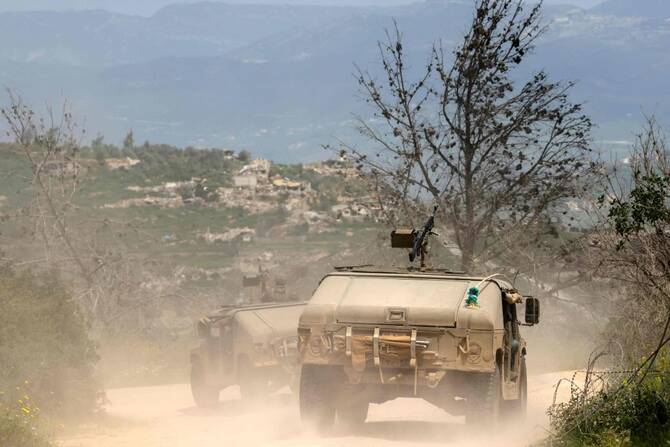
The war in Ukraine has become a symbol of the rule of force he described. A permanent Security Council member invaded its neighbor in violation of the UN Charter. The conflict has displaced millions and caused widespread destruction. International mechanisms have struggled to respond effectively. The Security Council remains paralyzed by the veto power of its permanent members.
Gaza Crisis and Two-State Solution
Guterres also highlighted the situation in the Occupied Palestinian Territory. He pointed to “blatant violations of human rights, human dignity and international law” there. The current trajectory in the conflict-torn territories is stark and clear, he charged. He warned that the two-state solution faces deliberate dismantlement in broad daylight. “The international community cannot allow it to happen,” he insisted.
His comments on Gaza reflect growing international concern about the conflict. Israel’s military operations have caused massive civilian casualties and destruction. The humanitarian situation in Gaza remains catastrophic. International courts are examining allegations of war crimes by all parties. The secretary-general’s remarks align with his consistent calls for ceasefire and negotiations.
Human Rights Crisis Mirrors Global Fractures
“When human rights fall, everything else tumbles,” Guterres warned the council. He described the rights crisis as mirroring and magnifying every other global fracture. The interconnected nature of modern challenges means rights abuses affect all areas. Economic instability, climate change and technological disruption intertwine with human rights violations.
The secretary-general called for urgent action to reverse these dangerous trends. “We must defend our shared foundations, without compromise,” he urged. He reminded leaders that international instruments are not optional. “The UN Charter, the Universal Declaration of Human Rights, and the instruments of international human rights law are not a menu,” he stated firmly. “Leaders cannot pick the parts they like and ignore the rest.”
Council Faces Challenging Session Ahead
The Human Rights Council begins its busiest session of the year against this grim backdrop. Member states will examine rights situations in dozens of countries. They will consider new resolutions on emerging crises. The council’s credibility depends on its ability to address violations consistently. Critics argue that political considerations too often influence its work.
Guterres’s speech sets the agenda for serious reflection among member states. His characterization of the current moment as one of unprecedented challenge resonates with many diplomats. The rise of the rule of force threatens the multilateral system itself. It undermines the foundations of international cooperation built after World War II.
The secretary-general’s warning comes at a time of profound global insecurity. Conflicts rage from Europe to the Middle East to Africa. Major powers increasingly act unilaterally rather than through established frameworks. International humanitarian law faces repeated violations without meaningful consequences. The UN chief’s words serve as both diagnosis and call to action.
Diplomats in Geneva now face the task of translating concern into concrete action. The council must find ways to respond effectively to the erosion of rights. It must defend the principles enshrined in the Universal Declaration. And it must push back against the rising tide of the rule of force that Guterres so clearly identified. The coming weeks will reveal whether member states heed his warning or continue along the dangerous path he described.