RIYADH: A Saudi official source has categorically denied a New York Times report that claimed the Kingdom’s leadership encouraged a prolonged military conflict with Iran. The source told Al Arabiya on Monday that the article, which alleged Crown Prince Mohammed bin Salman advised US President Donald Trump to “keep hitting the Iranians hard,” was entirely false. This denial firmly reiterates the official Saudi Iran war stance, which prioritizes de-escalation and regional stability over military confrontation. The rebuttal comes as tensions remain high in the Gulf following weeks of US-Israeli strikes on Iranian targets.
The New York Times report, published on Sunday, suggested Riyadh was privately advocating for a sustained campaign against Tehran. However, the Saudi denial was swift and unambiguous. The official source emphasized that such claims do not reflect the Kingdom’s policy. This is not the first time Saudi officials have had to correct the international media narrative regarding its position on the conflict. Earlier this month, the Saudi embassy in Washington also refuted a Washington Post report alleging the Kingdom had lobbied the Trump administration to launch strikes against Iran.
Saudi Arabia’s Public Position on De-escalation
The Kingdom has consistently and publicly stated its desire to prevent a wider war. Saudi Arabia has been at the forefront of Gulf states calling for diplomatic solutions and restraint. Officials have repeatedly stressed that the region cannot afford another major conflict, which would have devastating economic and humanitarian consequences. The official Saudi Iran war stance is therefore one of neutrality in terms of active participation, while working behind the scenes to lower temperatures.
This position is rooted in the Kingdom’s ambitious domestic transformation agenda, Vision 2030. A large-scale regional war would threaten the stability needed to attract investment and complete mega-projects. By denying the NYT report, Riyadh is signaling to both international markets and regional actors that it remains a reliable advocate for peace. The government has made clear it would not participate in any potential war, focusing instead on protecting its own sovereignty and economic interests.
Why the NYT Report Gained Traction
The now-disputed report gained attention because it seemed to confirm suspicions about Gulf states’ private preferences versus their public statements. Some analysts have speculated that while Gulf nations publicly call for calm, they privately welcome pressure on Iran, their regional rival. The alleged quote from the Crown Prince would have fit this narrative perfectly. However, the official denial suggests this speculation is unfounded, at least regarding Saudi Arabia’s current leadership.
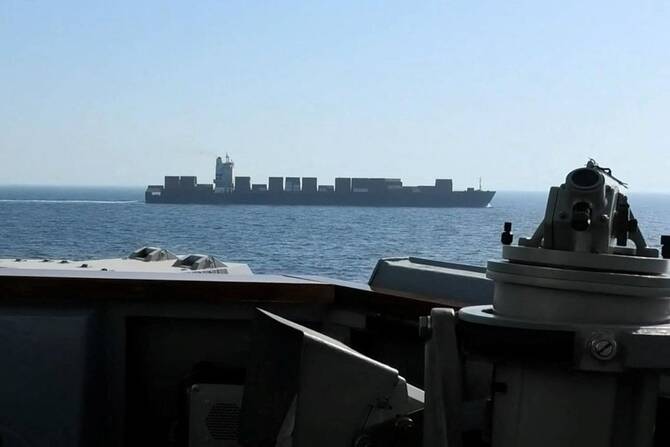
The timing of the false report is also significant. It emerged just days after major US allies, including Japan and European nations, refused to join a proposed naval coalition in the Strait of Hormuz. In that context, a story suggesting a key Gulf ally was pushing for war could have further complicated diplomatic efforts. The Saudi denial serves to realign the public record with the Kingdom’s actual policy of conflict prevention and highlights the dangers of relying on unnamed sources in a tense geopolitical climate.
Regional Efforts to Contain the Crisis
Beyond denying the report, Saudi Arabia continues to engage in active diplomacy to contain the crisis. The Kingdom maintains communication channels with both Washington and Tehran, seeking to prevent miscalculations that could trigger an all-out war. As a major energy producer and a leader in the Gulf Cooperation Council, Riyadh’s role as a mediator is crucial. Its stated Saudi Iran war stance provides a counterweight to more hawkish voices in the region.
Other Gulf states share this perspective. The United Arab Emirates and Qatar have also expressed concern over the escalating conflict and have urged restraint. There is a collective understanding among Gulf Arab states that their future prosperity depends on stability, not conflict. While they have their own disputes with Iran, they prefer to manage these through diplomacy and economic competition rather than military force. The Saudi denial reinforces this unified Gulf position against the backdrop of heightened US-Iran hostilities.
Implications of the Denial for US-Saudi Relations
The quick and forceful denial also carries implications for the US-Saudi relationship. While the partnership remains strong on many levels, including security cooperation and economic ties, it is not without its complexities. The Trump administration’s approach to the Iran conflict has put allies in a difficult position, forcing them to choose between supporting a key partner and protecting their own interests from the spillover effects of war.
By publicly correcting the record, Riyadh is also subtly pushing back against any attempt to drag it into a conflict it does not want. The message is clear: Saudi Arabia will define its own foreign policy. The official Saudi Iran war stance is one of calculated restraint, balancing its alliance with the US against its need for regional stability. As the crisis unfolds, the Kingdom’s actions will continue to be guided by this principle, regardless of media speculation or anonymous leaks.