TEL AVIV/DUBAI: Israel confirmed on Monday it has detailed operational plans for at least three more weeks of warfare against Iran. Airstrikes continued to pound targets across the Islamic Republic. The announcement signals the conflict is far from over. The fighting is now entering its third week. The scale of operations underscores the breadth of the Israel Iran war plans. Military officials state thousands of targets remain. Iranian forces launched retaliatory drone attacks. These strikes temporarily shut Dubai International Airport. They also hit a key oil facility in Fujairah.
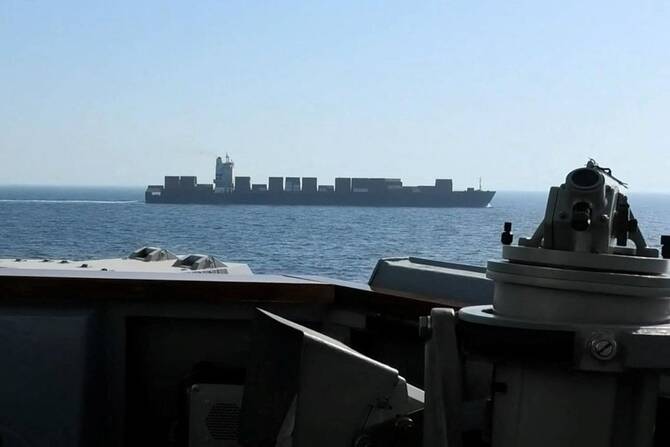
The conflict has effectively closed the Strait of Hormuz to most commercial traffic. Approximately 20 percent of the world’s oil passes through this waterway. The disruption is pushing energy prices higher. It is stoking fears of renewed global inflation. Israeli military spokesperson Lieutenant Colonel Nadav Shoshani told reporters the armed forces have detailed schedules. These extend for the next three weeks. Additional contingency plans exist beyond that timeframe. The stated objective remains the degradation of Iran’s military capabilities. This includes ballistic missile infrastructure, nuclear programs, and the security apparatus.
Israel’s Military Objectives and Targets
Israel’s strategy focuses on systematically weakening Tehran’s power projection capabilities. Officials say they have identified thousands of targets across Iran. These range from missile production facilities to research centers. The Israeli Air Force confirmed it destroyed a research facility in Tehran. This site developed a satellite launched in 2024. The strike is part of a broader effort to cripple Iran’s technological advancements.
“We want to make sure they are as weak as possible, this regime,” Shoshani explained. “We degrade all their capabilities, all parts of their security establishment.” This comprehensive approach forms the core of the Israel Iran war plans. It aims to create lasting damage rather than simply responding to immediate threats. The military insists it has the resources to sustain this pace for weeks. It maintains the intelligence needed to continue operations despite international calls for restraint.
Iranian Retaliation Hits UAE Infrastructure
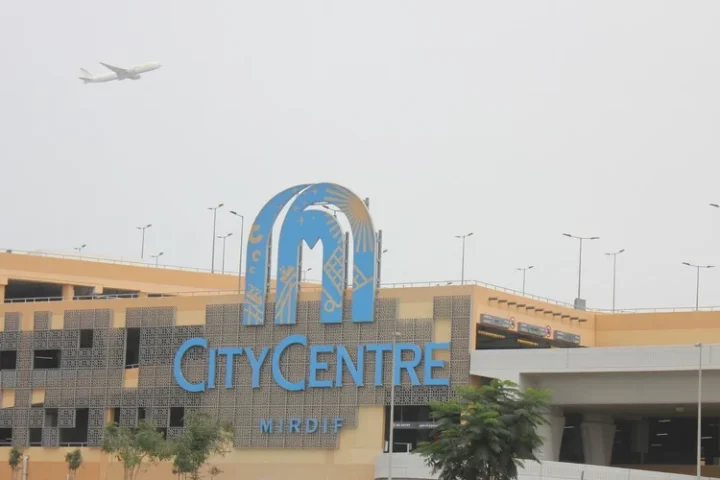
Iran has demonstrated its capacity to strike back. It hit targets beyond its borders. The Revolutionary Guards claimed responsibility for drone attacks. They targeted the US Al-Dhafra air base in Abu Dhabi, struck the US naval base in Bahrain. They also hit Bahrain’s Sheikh Issa air base. An Iranian drone strike on a fuel storage facility near Dubai International Airport sent plumes of black smoke into the sky. This forced the suspension of flights at one of the world’s busiest travel hubs for several hours.
Oil loading operations at the UAE port of Fujairah also suspended following a strike. Fujairah serves as a critical export point for the UAE’s Murban crude. This volume equals roughly one percent of global demand. These attacks mark a significant escalation. They bring the conflict directly to the doorstep of key US allies in the Gulf. Saudi Arabia reported intercepting 34 drones in its eastern region within a single hour. No injuries occurred there. Later, Reuters reporters heard explosions in the Qatari capital, Doha. This suggests the geographic scope of the conflict is widening.
Civilian Casualties Mount on Both Sides
The human toll of the war continues to rise. Iranian Foreign Minister Abbas Araqchi stated that 200 children are among the hundreds of Iranian civilians killed. US or Israeli bombings caused these deaths. In Tehran, rescue workers labored to pull victims from the rubble of a residential building. An Iranian Red Crescent aid worker described the site as an entirely residential alleyway. He emphasized the civilian cost of the airstrikes.
In Markazi province, overnight strikes killed five people and wounded seven, according to Iran’s Mehr news agency. A boys’ school in Khomein city also sustained damage. One Tehran resident, Shahnaz, expressed despair via WhatsApp. She noted that the upcoming Nowruz holiday brings no joy. “People are being killed,” she said. “Just days before Nowruz, but people are not in the mood to celebrate. When will this end?” In Israel, air raid sirens warned of incoming Iranian missiles. Civilians remain on edge as the conflict shows no signs of abating.
Global Diplomatic and Economic Fallout
The widening war has triggered significant diplomatic and economic repercussions. US President Donald Trump renewed his call for a coalition of nations to help reopen the Strait of Hormuz. He warned that NATO faces a “very bad” future if members fail to assist. However, key allies including Germany, Italy, Japan, and Australia have declined to contribute naval forces. They cite constitutional restrictions and a preference for diplomacy.
Despite the ongoing attacks, oil prices fell sharply on Monday following comments from US Treasury Secretary Scott Bessent. He indicated Washington would allow some Iranian fuel vessels to transit the strait. He noted that Indian and Chinese tankers have also reportedly passed through. Ship-tracking data confirmed a Pakistan-bound tanker navigated the waterway over the weekend. This suggests some countries can negotiate safe passage. This mixed picture highlights the complexity of enforcing a complete blockade.
Regional Conflict Spreads to Lebanon and Gaza
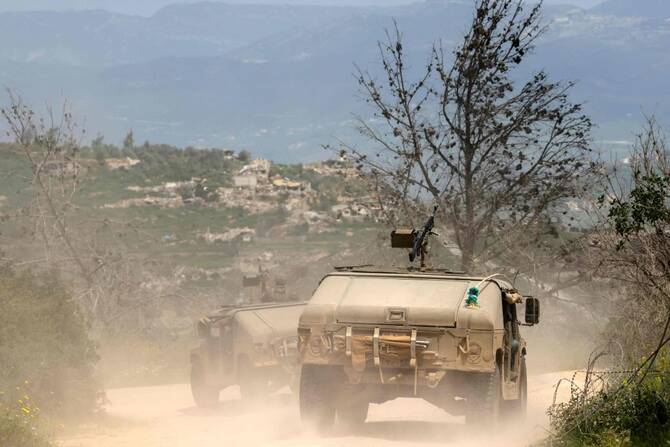
The confrontation is not limited to Iranian soil. Israel continues to strike Hezbollah positions in Lebanon and Hamas targets in Gaza. It attacks the Iran-backed militant groups on multiple fronts. The Israeli military announced that troops have begun limited ground operations against Hezbollah positions in southern Lebanon. This adds another dimension to the conflict.
This multi-front approach aligns with the broader Israel Iran war plans. It views Tehran as the central node in a network of regional proxies. By striking directly at Iran while also engaging Hezbollah and Hamas, Israel aims to disrupt the entire ecosystem of threats along its borders. However, this strategy risks drawing in additional actors and prolonging the conflict indefinitely. Both sides show no willingness to back down. Major powers remain divided on how to respond. The region braces for what could be an extended and devastating war.