UAE flights resume swiftly after a brief airspace closure, as authorities moved quickly to restore operations following heightened regional tensions. The rapid reopening highlights the country’s ability to respond to security risks while maintaining stability in its aviation sector.
The General Civil Aviation Authority confirmed that air traffic operations returned to normal shortly after the temporary suspension. Officials introduced the closure as a precautionary measure to protect passengers, crew, and national airspace. Authorities conducted a detailed assessment of security and operational risks before allowing flights to resume.
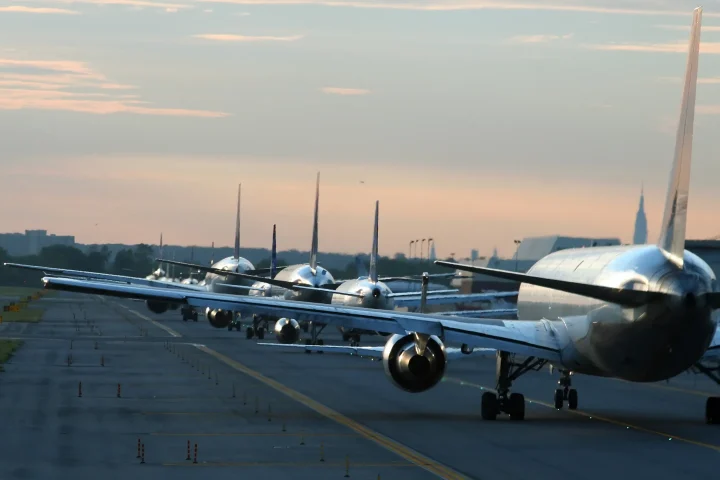
The UAE flights resume process began almost immediately after authorities cleared the airspace. Airlines started restoring services in phases, allowing operations to return gradually. This controlled approach ensured safety while minimizing disruption to global and regional travel routes.
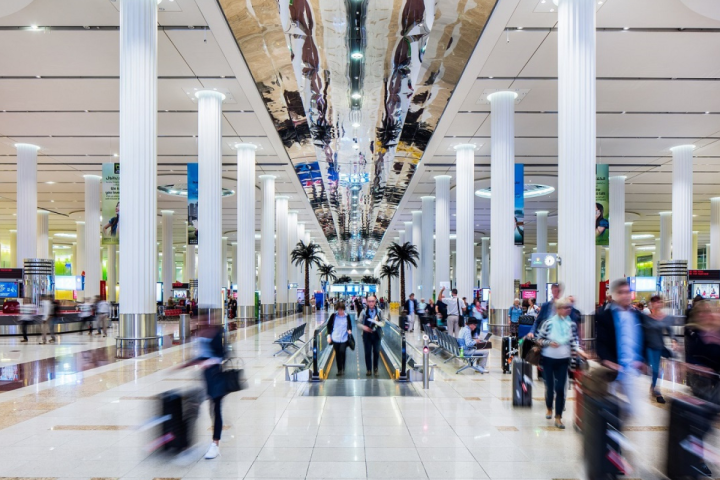
Carriers quickly adjusted their schedules and worked to accommodate affected passengers. Many airlines prioritized rebooking travelers and resuming key international routes. The reopening of airspace allowed aircraft movement to restart across major hubs, including Dubai and Abu Dhabi.
Etihad Airways resumed limited commercial flights from Abu Dhabi to several global destinations. These include major cities such as London, Paris, Milan, Chicago, and New York. The airline is focusing on passengers with existing bookings while gradually reopening ticket sales. However, not all routes have resumed yet, and the airline plans to expand services as conditions improve.
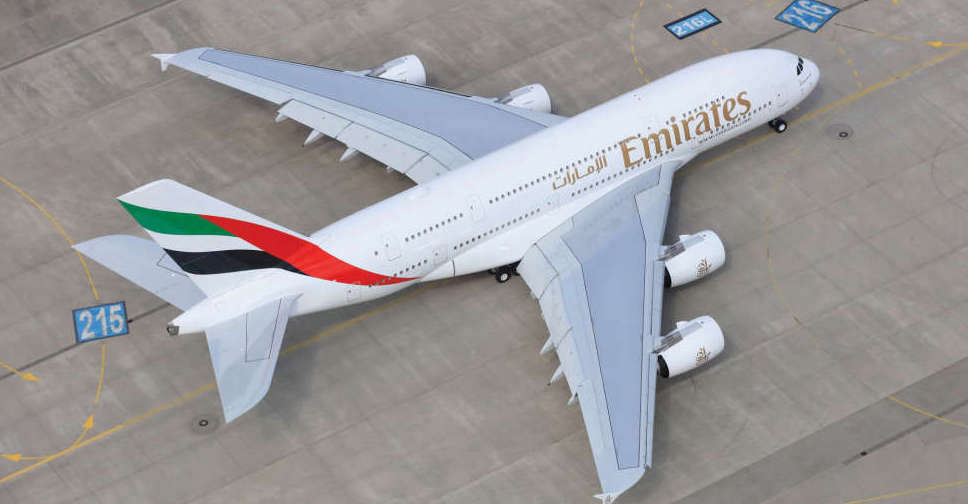
Emirates also restored operations under a reduced schedule. The airline is working to rebook affected passengers and manage disruptions through its digital platforms. Customers with cancelled connecting flights have received advice to avoid traveling to the airport until their bookings are confirmed. Emirates continues to monitor the situation and adjust its operations based on safety updates.
The UAE flights resume development comes amid wider disruptions across the Middle East. Aviation data shows that the region has experienced significant cancellations since the start of the conflict. On March 17 alone, about half of all scheduled departing flights in the region were cancelled.
Several airlines continue to face high cancellation rates. Carriers such as Qatar Airways, Gulf Air, and Kuwait Airways have reported ongoing disruptions. In contrast, UAE-based airlines have maintained relatively lower cancellation levels. This difference reflects the country’s strong infrastructure and rapid response measures.
Data also shows a gradual decline in cancellations over time. This trend suggests that the aviation sector is slowly stabilizing. Airlines are adapting to changing conditions while restoring operations step by step. The UAE flights resume effort plays a key role in this recovery process.
Authorities have emphasized that safety remains the top priority. The decision to reopen airspace followed close coordination with national and international partners. Officials continue to monitor risks and adjust policies as needed. This approach helps maintain confidence among airlines and passengers.
The UAE has also taken steps to inform the public and improve preparedness. A safety guide released in collaboration with national agencies provides key information for residents and travelers. It is available in multiple languages to reach a wider audience. These efforts support awareness and ensure that travelers remain informed during disruptions.
The UAE flights resume situation reflects the resilience of the country’s aviation sector. Even under pressure, authorities and airlines have managed to restore operations quickly. This ability to respond in real time strengthens the UAE’s position as a major global travel hub.
Airlines will continue to rebuild schedules in the coming days. More routes are expected to reopen as conditions stabilize further. Passengers may still face delays or limited options, but the overall trend points toward recovery.
Eighteen days into the regional conflict, the aviation sector is showing clear signs of adaptation. The quick reopening of airspace and the steady return of flights highlight a system designed to handle disruption effectively. The UAE flights resume development stands as a strong example of coordinated action between authorities and airlines.
As operations continue to normalize, the focus will remain on safety, efficiency, and passenger confidence. The UAE’s response demonstrates how strategic planning and swift decision-making can reduce the impact of sudden disruptions in global travel.