The oil crisis comparison 1970s today raises urgent questions. Specifically, markets wonder about potential shocks. Indeed, the US-Iran conflict disrupts Strait of Hormuz flows. Consequently, global energy security faces new tests. Therefore, analysts examine historical parallels carefully.
The 1973 oil crisis triggered severe economic disruption. An Arab embargo caused prices to quadruple. Fuel shortages spread across Western economies. Inflation surged dramatically. Many countries entered recession. Thus, that event remains a benchmark for energy shocks.
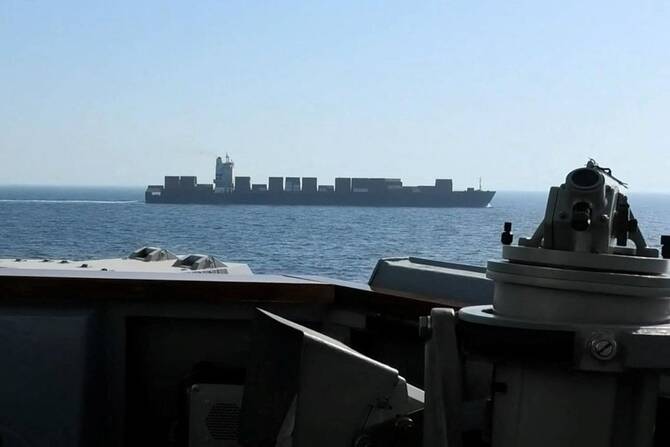
Today’s crisis may unfold on a larger scale. Specifically, the Strait of Hormuz represents a critical chokepoint. Roughly a fifth of global oil supply passes through. Disruptions here create immediate global consequences. Therefore, the oil crisis comparison 1970s demands attention.
Early estimates suggest significant potential impacts. Specifically, 13–14 million barrels per day could face restrictions. This figure far exceeds the 4–5 million barrels lost in 1973. Consequently, pure supply terms indicate greater disruption potential. However, system preparedness also matters greatly.
The 1970s featured heavy Middle East dependence. Economies had limited alternatives. Emergency reserves were virtually nonexistent. Therefore, sudden supply cuts caused severe scrambling. Governments struggled to respond effectively. Thus, system weakness amplified the shock’s impact.
Today’s landscape differs significantly. The United States now produces major oil volumes. Strategic reserves exist across major economies. These can release supplies in coordinated fashion. Energy efficiency has improved substantially. Economies remain less oil-intensive than five decades ago. Consequently, these buffers could soften initial blows.
Nevertheless, strong reasons suggest greater potential damage. Specifically, geographic threats now span wider areas. Tensions rise in Hormuz and the Red Sea simultaneously. Therefore, multiple trade routes face disruption risks. Moreover, modern supply chains feature tight interlinkages.
A shock to oil prices now feeds instantly into shipping costs. Food prices, aviation, and manufacturing feel immediate effects. Thus, amplification occurs through interconnected systems. Additionally, limited spare capacity constrains market flexibility. Years of underinvestment reduced system slack. Consequently, compensating for sudden losses proves challenging.
Oil markets today react in real time. Prices have surged sharply within weeks. This pace rarely appeared during past crises. Therefore, the oil crisis comparison 1970s reveals accelerated transmission dynamics. Indeed, speed of escalation represents a critical difference.
Time remains the key variable for outcomes. Specifically, short shocks hurt but remain manageable. Prolonged disruptions reshape global economic structures. Therefore, duration determines ultimate impact severity. For deeper insights, review our historical economic analysis.
If the Strait of Hormuz reopens quickly, flows could resume. The current crisis might remain a severe but temporary spike. However, persistent disruptions lasting weeks or months change calculations. Expansion to other chokepoints would intensify pressures. Consequently, the world could face a shock exceeding the 1970s.
In that scenario, consequences extend far beyond energy markets. Inflation could accelerate across multiple sectors. Economic growth might slow substantially. Stagflation risks could emerge in vulnerable regions. Therefore, the oil crisis comparison 1970s highlights systemic vulnerability.
Analysts emphasize preparedness matters alongside disruption scale. Specifically, coordinated reserve releases can stabilize markets. Diversified supply sources reduce single-point failures. Energy efficiency gains lower demand sensitivity. Thus, modern buffers provide meaningful protection.
However, these advantages face testing under sustained pressure. Moreover, geopolitical complexities add uncertainty to response efforts. Therefore, policy coordination becomes crucial during crises. Indeed, the oil crisis comparison 1970s informs strategic planning.
The global economy now features faster information flows. Market reactions occur instantaneously across time zones. Consequently, volatility can spread rapidly through financial systems. Thus, containment requires swift, decisive action.
Investment patterns also influence resilience outcomes. Specifically, years of underinvestment in production capacity limit flexibility. Therefore, restoring spare capacity represents a priority. Moreover, infrastructure hardening reduces vulnerability to disruptions. Consequently, the oil crisis comparison 1970s guides capital allocation decisions. Explore current market data via International Energy Agency.
Consumer behavior adapts differently in modern contexts. Specifically, remote work reduces commuting demand. Electric vehicle adoption lowers petroleum dependence. Thus, structural changes provide some insulation. However, transition timelines remain uncertain. Therefore, near-term exposure persists despite long-term trends.
Ultimately, the oil crisis comparison 1970s offers valuable lessons. Indeed, preparedness determines outcome severity more than shock magnitude alone. Consequently, policymakers must prioritize strategic reserves and supply diversification. Moreover, international cooperation enhances collective resilience. Therefore, proactive measures can mitigate potential damage.
Finally, markets watch Hormuz developments closely. Specifically, diplomatic progress could ease tensions rapidly. Conversely, escalation would intensify economic pressures. Thus, the coming weeks prove critical for global stability. Indeed, the oil crisis comparison 1970s reminds us that energy security demands constant vigilance.