Gaza paramedic Assad al-Nassasra confirmed detained by Israel has become a focal point of the latest humanitarian fallout from the conflict in Gaza. The International Committee of the Red Cross (ICRC) has verified that al-Nassasra, a veteran Palestinian Red Crescent Society (PRCS) medic, is being held in Israeli custody following a deadly airstrike in Rafah on March 23.
The attack, which claimed the lives of 15 emergency workers and a UN staff member, has been widely condemned. The PRCS had earlier reported al-Nassasra missing after the incident. Israel had not provided public information on his status until now, prompting concerns from global humanitarian organizations.
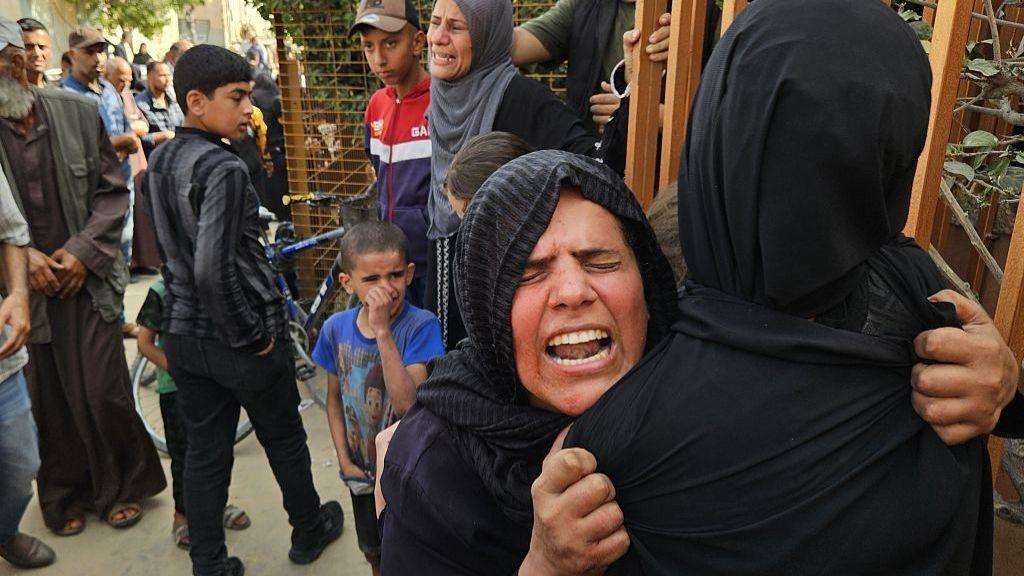
Al-Nassasra’s disappearance sparked a wave of speculation, with his colleagues and family insisting that he had been abducted while performing his duties. The confirmation of his detention has renewed calls for transparency and accountability regarding the treatment of medical personnel in conflict zones.
The ICRC, which acts as a neutral intermediary in such matters, emphasized that it has not been granted access to al-Nassasra or other Palestinian detainees since October 7. This lack of access raises alarm over potential violations of international humanitarian law, particularly the Geneva Conventions, which protect medical workers in war zones.
Al-Nassasra, a father of six and a first responder for over 16 years, is known throughout Gaza for his bravery and commitment during times of crisis. The PRCS continues to demand his immediate release, labeling his detention as both illegal and unethical.
International human rights groups have condemned the targeting and detaining of humanitarian workers. Multiple organizations, including Amnesty International and Human Rights Watch, have urged Israel to provide details on al-Nassasra’s location, legal status, and health condition, and to ensure his rights are upheld.
This case adds to the growing concerns over the shrinking humanitarian space in Gaza. As hostilities continue, the safety of medical teams, rescue personnel, and civilian aid workers is increasingly under threat.
The detention of Gaza paramedic Assad al-Nassasra, especially following a high-casualty event involving aid workers, has intensified pressure on international bodies to intervene diplomatically. The United Nations and the World Health Organization are reportedly monitoring the situation closely and may raise the issue in upcoming human rights forums.
As the region remains volatile, Assad al-Nassasra’s case highlights the urgent need for adherence to international norms that protect medical neutrality, even amid active hostilities. His continued detention without due process stands as a grave reminder of the risks faced by those on the frontlines of humanitarian service.