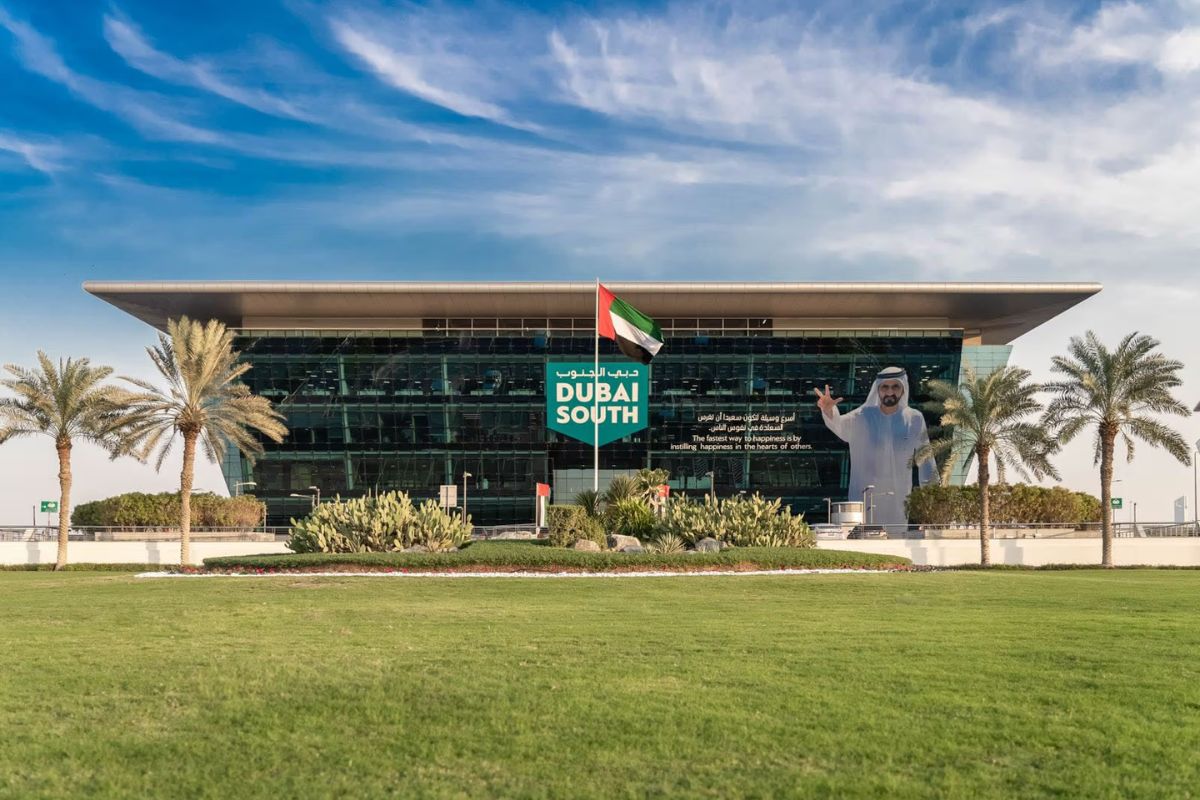
The UAE Africa investment is trending as the United Arab Emirates pours $110 billion into African ports, mines, and renewable energy since 2019, outpacing other nations and sparking geopolitical shifts. For instance, reported on May 17, 2025, these deals, led by state-aligned firms, target critical resources, per The New York Times. X posts highlight concerns over UAE influence, per @MenchOsint, though unverified. Consequently, Africa’s economic landscape is transforming. Thus, this article explores the UAE Africa investment, its scope, impacts, and why it’s driving clicks. Internal link: Global Investment Trends
The Investment Surge
Strategic Sectors
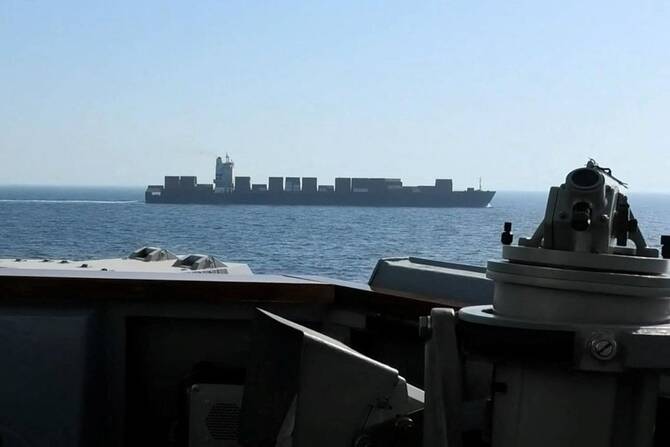
The UAE Africa investment targets key industries. Specifically, UAE firms control ports in Somalia and Sudan, cobalt mines in Congo, and solar projects in Ethiopia, per The New York Times. Moreover, deals worth $50 billion were signed in 2025 alone, per Reuters. As a result, resource access expands.
State-Backed Firms
Furthermore, government ties fuel growth. For example, DP World and ADNOC lead investments, aligned with UAE rulers, per The New York Times. Additionally, the UAE’s $1.4 trillion AI deal shows its financial clout, per Al Jazeera. Therefore, strategic intent is clear.
Impacts on Africa and the UAE
African Economic Shift
The UAE Africa investment boosts African economies. For instance, UAE-funded ports handle 30% of East African trade, per Reuters. Moreover, X posts note job creation, per @Reuters, though local benefits vary. Thus, development accelerates.
UAE Geopolitical Power
Moreover, it enhances UAE influence. Specifically, the UAE rivals China’s $60 billion African investments, per The New York Times. Additionally, Britain’s Space Forge funding mirrors global ambitions, per X posts. As a result, global standing rises.
Challenges Facing the Investment
Ethical Concerns
However, UAE Africa investment sparks controversy. For example, X posts allege UAE funds fuel Sudan’s RSF conflict, though unverified, per @MenchOsint. Moreover, local communities report 20% of profits bypassing them, per The New York Times. Therefore, ethics are questioned.
U.S. Competition
Another challenge is Western pushback. Specifically, U.S. investments in Africa fell 10% since 2019, per Reuters. Furthermore, the UAE’s weapons deal controversy distracts from African focus, per X posts. Consequently, rivalry intensifies.
The Future of UAE’s African Strategy
Expanded Investments
Looking ahead, UAE Africa investment will grow. For instance, the UAE plans $30 billion more by 2027, per The New York Times. Additionally, India’s pharma export boom offers supply chain lessons, per X posts. Thus, expansion continues.
Diplomatic Balancing
Furthermore, the UAE will navigate tensions. For example, partnerships with the African Union could ease ethical concerns, per Reuters. Moreover, China’s Shenzhou-20 mission inspires global strategies, per X posts. As a result, diplomacy strengthens.
In summary, the UAE Africa investment of $110 billion reshapes African geopolitics, captivating audiences with its economic stakes. Despite ethical and competitive challenges, its growth promises influence.
Other News: