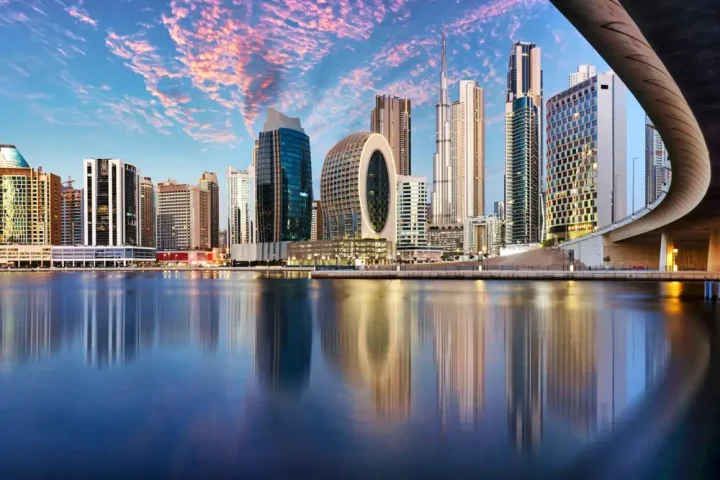
As the Dubai Iran-Israel war tension escalates, the Gulf city finds itself grappling with a storm of economic and geopolitical consequences. Although the missiles are flying far from its gleaming towers, the shockwaves have already begun to reshape Dubai’s economy, infrastructure, and diplomatic calculus.
Oil Prices Surge Amid Hormuz Threat
One of the first effects of the conflict has been a dramatic spike in oil prices, largely due to Iran’s threat to shut down the Strait of Hormuz. Although the UAE has alternate export routes like Fujairah, markets remain jittery. Brent crude rose by over 13% in a week.
While the price hike boosts short-term revenues for oil-exporting nations, experts warn of ripple effects. Rising fuel prices impact logistics, increase consumer goods costs, and could choke growth in Dubai’s crucial non-oil sectors.
“We’re watching a double-edged sword,” said an analyst at Emirates NBD. “Revenues rise, but so does inflation.”
Saudi Arabia Vision 2030 Tourism: A Global Destination Emerges
Dubai Financial Markets React Sharply
The Dubai Financial Market (DFM) Index dropped 1.9% last week and remains highly volatile. Investors are shifting their portfolios to safer havens such as Singapore, Zurich, and Tokyo. Regional equities are seeing heavy outflows, adding to uncertainty.
“If one Iranian missile misfires into Gulf airspace, sentiment could collapse overnight,” said a Dubai-based fund manager. Portfolio reallocations are already underway.
Air Travel Faces Ground Disruptions
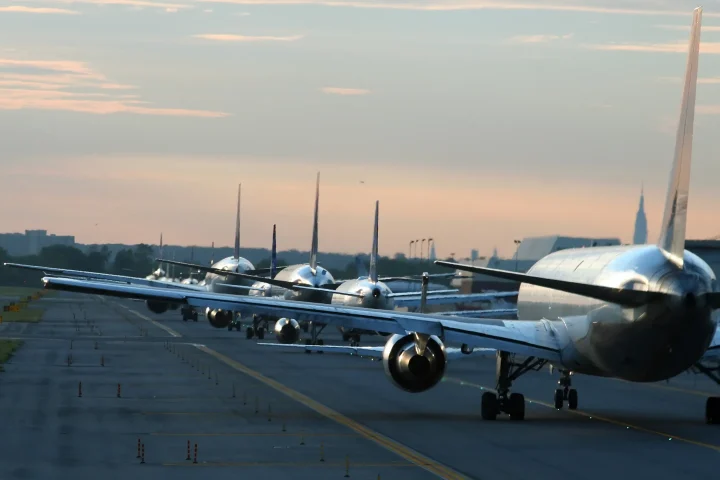
The war has led to widespread airspace restrictions. Major UAE carriers like Emirates, Etihad, and flydubai have suspended flights to Tehran, Tel Aviv, and Damascus. Long-haul flights now navigate longer routes, increasing fuel costs and causing delays.
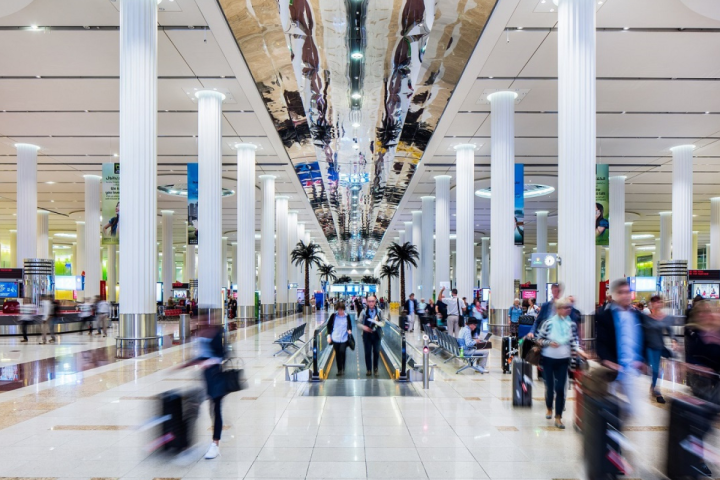
Dubai International Airport—one of the world’s busiest—has initiated contingency protocols, including staff deployment and rerouting procedures. The hallmark of seamless travel is giving way to unpredictability.
Tourism and Retail Industries Slow Down
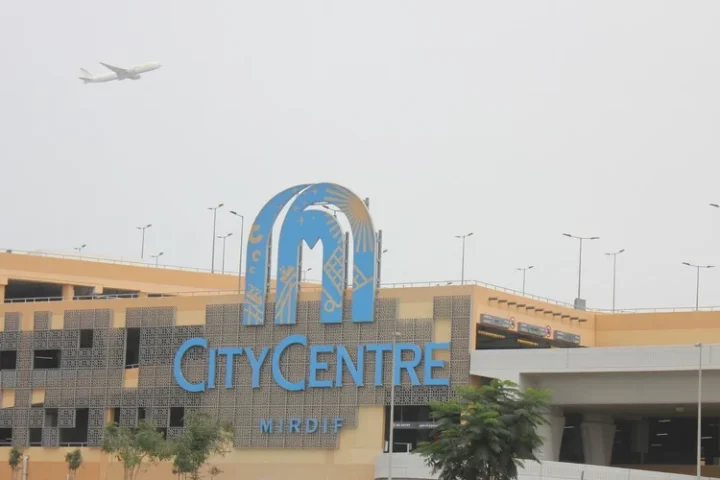
Tourism, a backbone of Dubai’s diversified economy, is taking a hit. With rising tension in the region, hotel bookings from Europe and Asia have dipped. Malls like Dubai Mall and Mall of the Emirates report 7% drops in footfall.
Luxury retailers and event planners are delaying launches. The downturn may deepen if geopolitical uncertainty continues.
Supply Chain and Shipping Risks
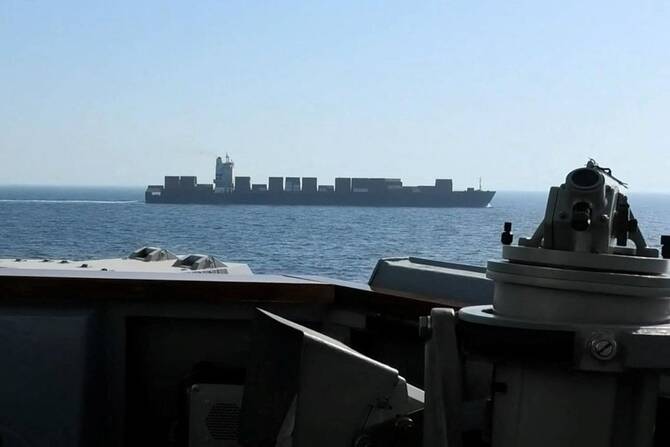
Dubai’s shipping industry isn’t immune either. Insurers are hiking premiums for vessels headed to Jebel Ali and Fujairah. Some logistics firms are rerouting cargo through Saudi land corridors, causing delays and raising costs.
Jebel Ali Port, a regional hub, could see reduced throughput if the crisis escalates, endangering Dubai’s reputation as a trade gateway.
Cybersecurity and Homeland Vigilance
In response to rising cyber threats, the UAE has upgraded both digital and physical security measures. Cybersecurity firms report a 40% rise in phishing and ransomware attacks, especially targeting energy, transport, and finance sectors.
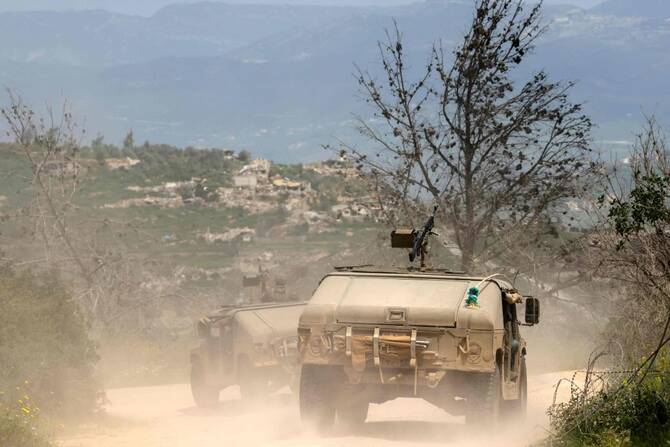
Drone defense systems have also been heightened amid concerns over asymmetric warfare tactics like drone attacks and digital espionage.
Diplomacy: A Delicate Balancing Act
The UAE maintains close economic ties with Iran and deep strategic links with Israel and the United States. Dubai acts as a re-export center for over $30 billion in Iranian trade, yet it also enjoys close cooperation with Israeli firms post-Abraham Accords.
So far, the UAE’s position is one of non-alignment and de-escalation. But if the war continues, pressure will mount to pick a side—a decision fraught with economic and security risks.
Uncertainty Is the New Normal
The Dubai Iran-Israel war crisis has reinforced a hard truth: No city in the Middle East is truly insulated from regional upheaval. While Dubai has weathered past storms—from the 2008 crisis to COVID-19—it now faces a threat that is both immediate and unpredictable.
Whether through economic buffers, swift diplomacy, or adaptive governance, Dubai must navigate this storm with strategic precision. In the meantime, uncertainty dominates the skyline—casting a long, uneasy shadow on the city that never stops building.