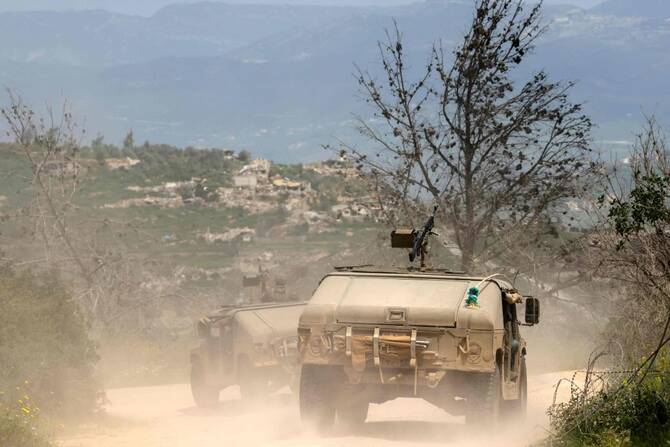
As tensions with Iran continue to soar, the United States has stepped up its military presence in the Middle East, conducting extensive military exercises aimed at bolstering its readiness for potential conflict. These drills, which span multiple days, are a direct response to escalating threats from U.S. President Donald Trump, who has renewed his warnings about military action if Iran refuses to negotiate a new nuclear deal.
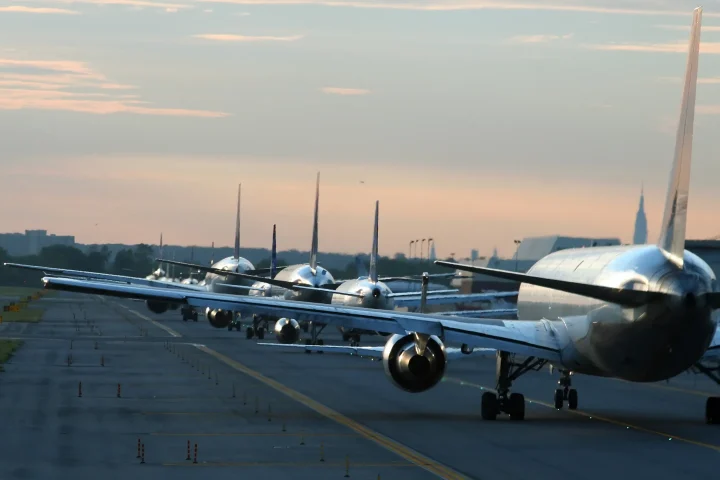
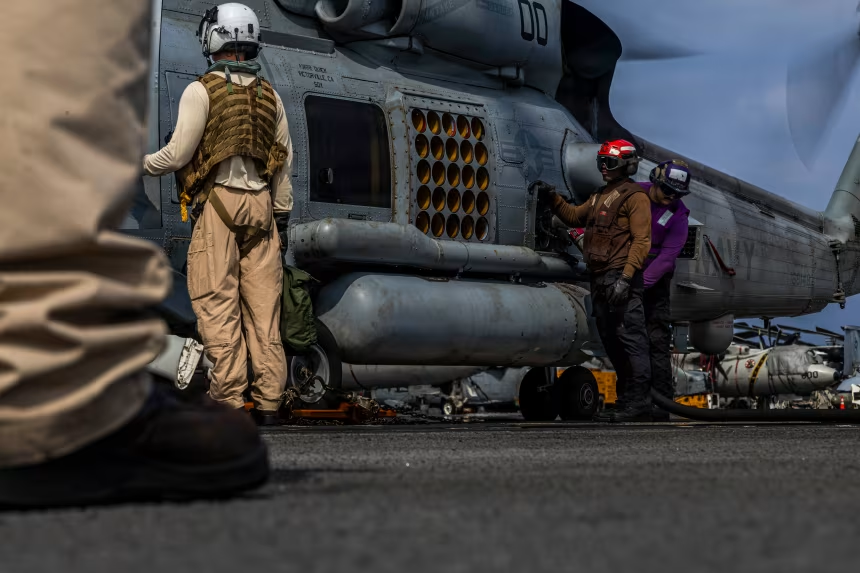
The air exercises, coordinated by U.S. Air Forces Central Command, are designed to test the U.S. Air Force’s ability to deploy personnel and aircraft rapidly. The operation focuses on dispersing resources across multiple locations, ensuring a minimal operational footprint while sustaining prolonged missions in volatile environments. These drills serve not only as a display of American military might but also highlight the nation’s airmen’s ability to maintain combat readiness under extreme conditions, alongside international allies.
The U.S. military’s commitment to maintaining an agile force capable of executing swift air sorties is at the heart of these exercises. By operating in such complex environments, the U.S. aims to reinforce its position in the Middle East, particularly as tensions with Iran have reached a boiling point in recent months. The U.S. military’s presence in the region is seen as a safeguard against any further provocations by Iran, with Washington asserting that its military remains poised for action if diplomatic efforts fail.
Trump’s Renewed Threats Against Iran
In the midst of the military drills, President Trump has once again escalated the rhetoric surrounding Iran, reiterating his earlier warnings about the potential for military action. The U.S. leader posted a defiant message on his Truth Social platform, declaring that a powerful “armada” is on its way toward Iran and issuing a stark ultimatum: Iran must return to the negotiating table for a “fair and equitable” nuclear deal, or face dire consequences.
Trump has been vocal about the U.S.’s stance on Iran’s nuclear ambitions since pulling out of the Joint Comprehensive Plan of Action (JCPOA) in 2018, a move that has only exacerbated tensions in the region. In his most recent statements, Trump has warned that if Iran does not engage in talks, the next military strike would be far more severe than previous ones, specifically the attacks on Iranian nuclear facilities that occurred last year. Trump’s statements have made it clear that the U.S. views Iran’s nuclear program as a direct threat, with the potential to shift the power dynamics of the region.
Iran’s Response: A Standoff in the Making
Iran, however, has shown no signs of backing down. The Iranian government has repeatedly rejected accusations from Washington that it is seeking to develop nuclear weapons, a claim that Tehran insists is based on unfounded allegations. Iranian Foreign Minister Abbas Araghchi has made it clear that Iran is prepared to respond “immediately and powerfully” to any threats or acts of aggression against its territory, airspace, or waters. Araghchi’s warning underscores Iran’s stance on self-defense and its refusal to be intimidated by U.S. military threats.
Despite these heightened threats, Iran has also expressed its willingness to engage in dialogue, provided the U.S. refrains from making further threats. Kazem Gharibabadi, Iran’s Deputy Foreign Minister, noted that although no direct negotiations are currently underway, the two nations are communicating through indirect channels. Iran’s message remains consistent: If the U.S. is genuinely interested in a peaceful resolution, it must abandon its aggressive stance and stop issuing threats that only exacerbate the tensions.
The Stakes: A Decade-Long Standoff Over Nuclear Negotiations
The ongoing standoff over Iran’s nuclear program is not a new issue. Tensions between the two countries have been building since Trump’s withdrawal from the 2015 nuclear deal, a move that not only strained U.S.-Iran relations but also reignited concerns over the potential for Iran to develop nuclear weapons. Since then, the U.S. has imposed a series of stringent sanctions on Iran, targeting sectors ranging from oil exports to its military capabilities. These actions have further isolated Iran on the global stage and have only intensified the country’s desire to pursue nuclear technology, further fueling the debate over its intentions.
For years, the U.S. has maintained that Iran is secretly working towards building a nuclear bomb, an accusation Tehran has repeatedly denied. The Trump administration’s “maximum pressure” campaign, which includes economic sanctions and military threats, aims to force Iran into a new deal that would significantly curtail its nuclear ambitions. However, with Tehran’s defiant posture, the prospects for a renewed agreement remain unclear. The standoff is not just about nuclear weapons; it is also about broader regional influence, with both nations vying for control and power within the Middle East.
The U.S. Navy’s Role in the Escalation
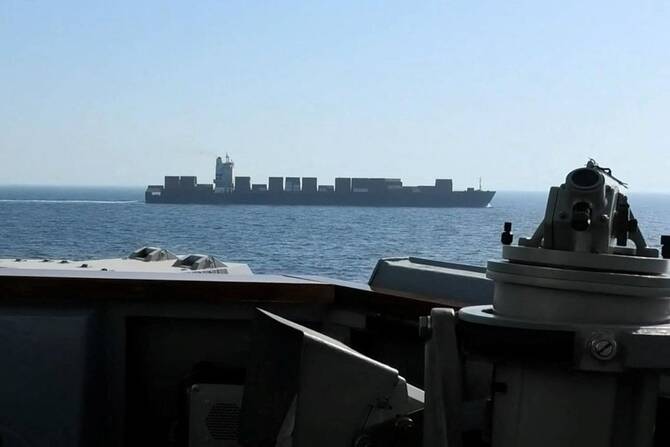
As the war of words escalates, the U.S. Navy has made its presence felt in the region, with the USS Abraham Lincoln carrier strike group already stationed in the waters surrounding Iran. Central Command (CENTCOM) has confirmed the arrival of the carrier strike group, further signaling the U.S.’s commitment to maintaining a robust military presence in the region. The presence of such powerful assets highlights Washington’s preparedness to engage militarily if diplomacy fails.
Despite the growing military footprint, sources close to the White House have indicated that Trump is still weighing his options regarding the next steps with Iran. While no formal military action has been decided yet, the continued military drills, coupled with Trump’s statements, suggest that the U.S. is preparing for a potential escalation. This includes positioning key military assets to respond quickly should the situation deteriorate.
Iran’s Unwavering Stance: A Dangerous Crossroad
As the U.S. strengthens its military presence in the region, Iran continues to reinforce its own military readiness, further complicating the path to peace. The country’s military buildup is aimed at deterring any potential foreign intervention while simultaneously asserting its sovereignty over disputed territories in the region. With both sides now deeply entrenched in their respective positions, the risk of military confrontation seems increasingly likely.
Iran has shown that it will not succumb to external pressure, and its leadership is determined to defend its sovereignty at all costs. The country has repeatedly expressed its willingness to negotiate but only on the condition that the U.S. stop threatening it with further military action. This is a delicate situation that could tip the balance towards a full-scale conflict or lead to a fragile diplomatic breakthrough, depending on how the two countries handle their next moves.