Oman Bank Credit Rises 8% to $90bn
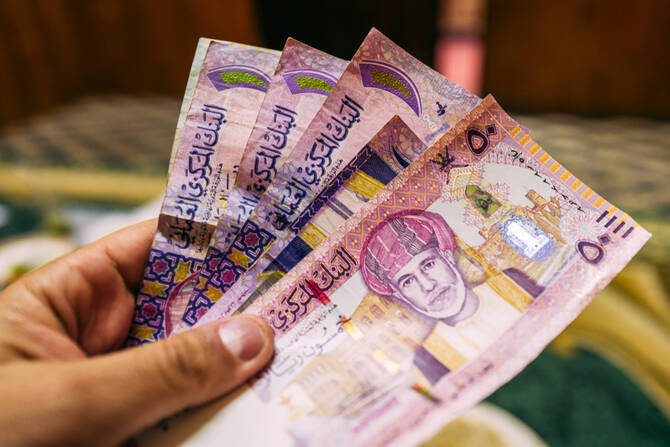
The latest data from the Central Bank of Oman shows that Oman Bank Credit climbed by 8 percent year on year to reach 34.5 billion Omani rials ($89.7 billion) by the end of September 2025. This growth underscores the resilience of Oman’s banking industry and reflects the broader recovery of the country’s non-oil sector.
Private Sector Lending Drives Growth
Credit extended to the private sector accounted for most of the increase, rising by 5.7 percent to 28.2 billion rials. Non-financial corporations received the largest share of private sector loans at 46.7 percent, while individual borrowers accounted for 44.7 percent. Financial corporations held 5.8 percent, and other sectors represented the remaining 2.8 percent.
The Central Bank noted that the rise in credit mirrors confidence among businesses and individuals. It also reflects continued investment momentum in trade, services, and real estate, all of which have benefited from stronger domestic demand.
Deposits Show Parallel Growth
Total deposits across Oman’s banking system rose by 4.7 percent, reaching 33.1 billion rials by the end of September. The increase in deposits further supports the liquidity position of local banks, enhancing their ability to finance ongoing projects and private investments.
Private sector deposits grew faster than overall deposits, rising 7.5 percent to 22.3 billion rials. Within this segment, individuals held half of all deposits, while non-financial corporations accounted for 30.5 percent, financial institutions 17.3 percent, and other sectors 2.2 percent.
The steady rise in both lending and deposits demonstrates improving economic confidence and a stronger credit cycle in the Sultanate.
Read Also
Non-Oil Sector Expansion
Oman’s economy continues to diversify, with non-oil activities expanding by 4.1 percent in the first half of 2025. This growth was the main contributor to a 2.3 percent increase in real gross domestic product. The banking sector’s performance mirrors these trends, as credit and deposit growth increasingly stem from non-hydrocarbon industries such as construction, manufacturing, and services.
This progress aligns with the government’s Vision 2040 strategy, which prioritizes economic diversification, private sector development, and financial inclusion.
Surge in Real Estate Transactions
Real estate remains a key area of expansion within Oman’s financial sector. The total value of real estate transactions rose by 9.2 percent to 2.35 billion rials by the end of September, compared to 2.15 billion rials a year earlier.
Revenue from legal property fees surged by 74 percent to 85.8 million rials, highlighting the growing demand for property ownership and development. Sale contract values increased by 13.5 percent to 928.6 million rials, while the number of contracts rose slightly to 50,175.
Mortgage contracts also grew, reaching 1.41 billion rials across 16,432 agreements—up from 1.32 billion rials a year earlier. However, exchange contracts fell 16.6 percent to 8.2 million rials, suggesting a shift toward long-term financing over short-term property swaps.
The total number of property titles issued climbed 3.5 percent to 175,436, although titles issued to Gulf Cooperation Council nationals dropped by 10.9 percent to 987.
Economic Outlook
The continued rise in Oman Bank Credit, deposits, and property transactions points to sustained recovery across key sectors. Stronger private investment, rising household spending, and targeted government policies are reinforcing financial stability.
As Oman’s non-oil economy expands, its banking sector remains central to delivering financing, supporting businesses, and enabling citizens to access credit. Together, these trends highlight the growing maturity of the Omani financial system and its evolving role in supporting national economic transformation.