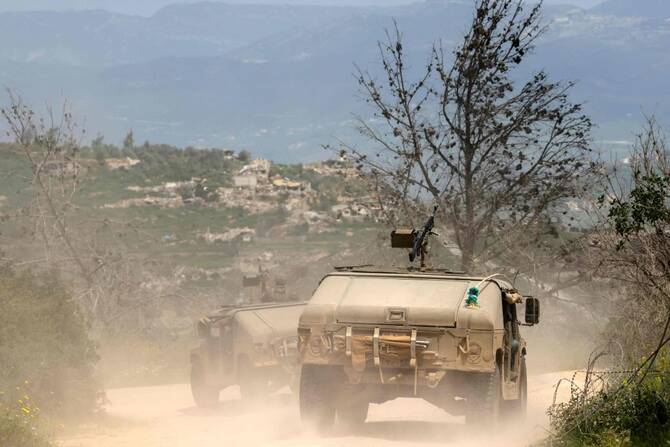
The Lebanese army has completed the first phase of Hezbollah disarmament south of the Litani River. Army Commander General Rodolphe Haykal announced this milestone to the cabinet. However, the military immediately highlighted major constraints. Progress on the next phase now depends on external factors, including ongoing Israeli attacks and delays in international military aid. Consequently, Lebanon’s path to full sovereignty remains fraught with challenges.
The Army’s Stance and the “Containment” Strategy
The army formally declared that moving to phase two—extending north to the Awali River—faces external hurdles. These include continued Israeli violations, occupied Lebanese sites, and unmet promises of military support. A Lebanese official revealed the army now leans toward a “weapons containment” strategy north of the Litani. This means preventing the movement, import, or use of weapons within Lebanon, rather than immediate confiscation. The official argued this “should concern no one,” but it falls short of the full disarmament demanded by Israel and the US.

Political Endorsement and National Unity
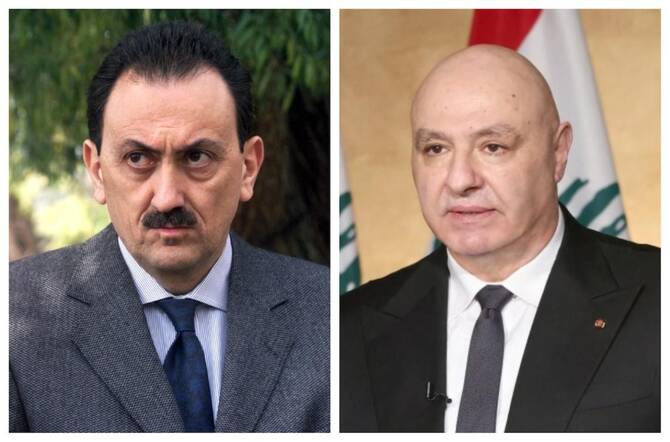
Top state officials unanimously backed the army’s progress. President Joseph Aoun pledged full state support for extending state authority. Parliament Speaker Nabih Berri supported the army but stressed Israel’s ongoing occupation hinders completion. Prime Minister Nawaf Salam praised the troops and stressed the urgent need for logistical support to advance. This unified political front is crucial for the army’s legitimacy in this sensitive mission.
Regional and International Reactions
International responses have been mixed. UN officials praised the “undeniable progress.” However, Israel’s government called the efforts “encouraging but insufficient.” It insists on Hezbollah’s full disarmament and accused Iran of rearming the group. Meanwhile, Iran’s Foreign Minister visited Beirut, signaling Tehran’s continued engagement. He stated Iran does not seek war but is prepared for it, highlighting the persistent regional tension.
The Risk of Israeli Escalation
Analyst Michael Young noted that immediate full-scale war may not be imminent if Lebanon shows progress. However, he warned that prolonged delays or obstruction could trigger an Israeli military escalation. Israeli media reports suggest the military is preparing evidence of Hezbollah arms and finalized offensive plans, awaiting political approval. This creates a precarious timeline for Lebanese diplomacy.

The Core Challenges Ahead
The army identified the main obstacles to phase two. First, Israeli attacks and occupation continue daily. Second, there are delays in delivering promised military capabilities to the army. Third, implementing disarmament across “all of Lebanon” is logistically impossible with current resources. Therefore, the state’s strategy appears to be a gradual extension of authority, prioritizing stability over rapid, enforced disarmament that could trigger internal conflict.
The Humanitarian and Reconstruction Imperative
A key goal behind the disarmament drive is to enable the return of displaced civilians and begin reconstruction. The government prioritizes a World Bank loan for the south’s recovery. This humanitarian objective adds urgency to creating a stable security environment, putting further pressure on both the state and Hezbollah to find a workable compromise.
A Fragile Path Forward
Completing the first phase is a significant but initial step. The Lebanese state now walks a tightrope. It must balance international pressure for full disarmament with the internal reality of Hezbollah’s entrenched power and its own military’s limitations. The proposed “containment” strategy may be a pragmatic medium-term solution. Ultimately, lasting security depends on a full Israeli withdrawal, sustained international support for the army, and a political settlement that addresses Hezbollah’s role. The coming months will test whether diplomacy can outpace the rising risk of renewed conflict.