The United States continues to weigh its options toward Iran as the aircraft carrier USS Abraham Lincoln steams toward the Middle East. This deployment occurs amid significantly heightened regional tensions and widespread protests inside Iran. Washington officials reiterate that all options remain under consideration. They cite Iran’s handling of domestic unrest as a key factor in their ongoing deliberations. Consequently, the region now watches with intense anticipation for Washington’s next move.
The carrier’s movement, reported since late Friday, signals a tangible military posture. The U.S. consistently considers Iran a major regional adversary. Therefore, this naval deployment provides a visible platform for potential action. However, the specific nature of that action remains undefined. Diplomatic, economic, and military measures all constitute possible US options toward Iran. The protest situation adds a volatile internal dimension to an already complex geopolitical calculation. Regional capitals are now assessing the risks and opportunities.
Saudi Arabia Denies Influencing US Policy
Saudi officials firmly reject claims that Riyadh seeks to influence Washington’s decision-making process. A senior Saudi official at the Kingdom’s embassy in the U.S. addressed specific reports directly. The official stated that suggestions of Saudi Arabia advising against striking Iran “are not true.” This denial aims to clarify the Kingdom’s public position amid widespread speculation. Saudi Arabia often shares Washington’s concerns regarding Iranian regional activities. However, it appears cautious about endorsing overt military escalation.
Earlier this week, Saudi Minister of State for Foreign Affairs Adel Al-Jubeir commented on the crisis. He spoke at a major business conference in Riyadh. When asked about the unrest and potential U.S. responses, Al-Jubeir offered a measured perspective. He did not directly support or oppose military action. Instead, he noted that “everybody is watching the situation very closely.” He also expressed hope for a resolution that would “minimize any kind of damage.” This careful language reflects a preference for stability.
Analyst Points to Iran’s Internal Crisis
Commentator Ali Shihabi also denied any Saudi lobbying effort. He used social media platform X to state Riyadh’s non-involvement. Shihabi wrote, “Saudi Arabia did not get involved in this discussion one way or the other.” This reinforces the official position of deliberate distance. Meanwhile, prominent columnist Abdulrahman Al-Rashed presented a stark analysis in Asharq Al-Awsat. He argued that Iran itself holds the key to avoiding further escalation. His commentary suggested a critical juncture for the Tehran regime.
Al-Rashed wrote that ending its nuclear program and halting regional activity could spare Iran foreign intervention. He suggested external powers might exploit the widespread domestic unrest. He described the current moment as historically precarious. “The Iranian regime is facing an existential crisis for the first time since the founder of the Islamic Republic returned to Tehran,” Al-Rashed argued. He identified the regime as the only actor capable of preventing its own potential collapse.
Read Also
Trump’s Peace Board Seeks $1 Billion for Extended Membership
Military Posture Complements Diplomatic Calculus
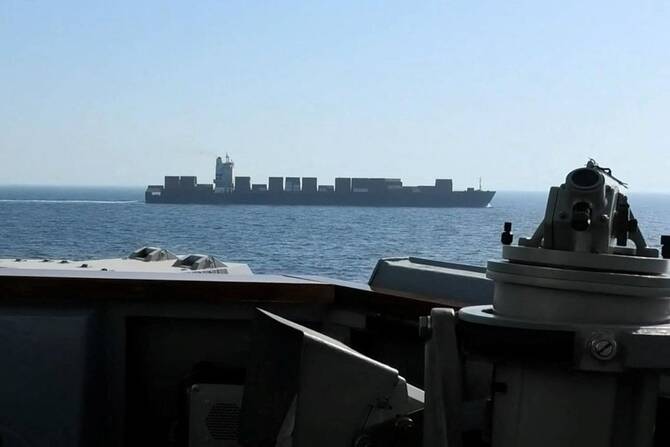
The USS Abraham Lincoln’s deployment serves as a flexible tool for policymakers. It provides visible deterrence and rapid strike capability if required. This move allows the U.S. to pressure Tehran while finalizing its strategic choices. The range of potential US options toward Iran remains broad. They could include stricter enforcement of existing oil sanctions. Alternatively, they might involve covert actions or targeted strikes on Iranian assets. The carrier’s presence ensures military readiness during this decision phase.
Regional allies like Israel and Gulf states monitor the carrier’s track closely. They seek signals of American resolve and intent. A military show of force often precedes diplomatic overtures. Therefore, the deployment could create leverage for future negotiations. The internal protests inside Iran add unprecedented domestic pressure on the regime. This internal weakness might encourage Washington to consider more assertive measures. However, it also raises the risk of miscalculation and unintended conflict escalation.
Path Forward Hinges on Tehran and Washington
Al-Rashed’s commentary underscores a pivotal theme. The immediate future may depend on choices in Tehran rather than Washington. He concluded, “The only party capable of saving the Iranian regime from its fate is the regime itself.” He warned that converging internal and external threats now endanger its survival. This analysis suggests that U.S. decisions will likely respond to Iranian actions. The regime’s conduct toward its populace and its regional proxies will directly shape the American response.
The coming weeks will prove critical. The U.S. must calibrate its actions precisely. It must balance demonstrating resolve with avoiding a broader war. Simultaneously, Iran’s leadership must navigate its profound domestic crisis. The world now observes a high-stakes standoff. The deployment of a carrier strike group marks a serious phase in this prolonged confrontation. Ultimately, the available US options toward Iran will narrow based on events on the ground in Iranian streets and in the halls of power in Tehran.