Prince Turki Al-Faisal has publicly reaffirmed the strong and brotherly Saudi-UAE ties, urging the public to rely on official sources. The former intelligence chief and ambassador emphasized the relationship is rooted in affection, family, and shared history. Consequently, his comments aim to quell social media speculation about a rift between the Gulf allies. Prince Turki stressed that Saudi-UAE ties are based on integration, not collision. This affirmation of Saudi-UAE ties comes after tensions over Yemen policy led to online disputes. However, Prince Turki indicated differences in opinion are natural, even within alliances like the EU. Therefore, the core Saudi-UAE ties remain unaffected by policy disagreements. He called for social media users to avoid immorality in disputes, referencing hateful online commentary. The strong Saudi-UAE ties are a cornerstone of regional stability, a point also made recently by Foreign Minister Prince Faisal bin Farhan.
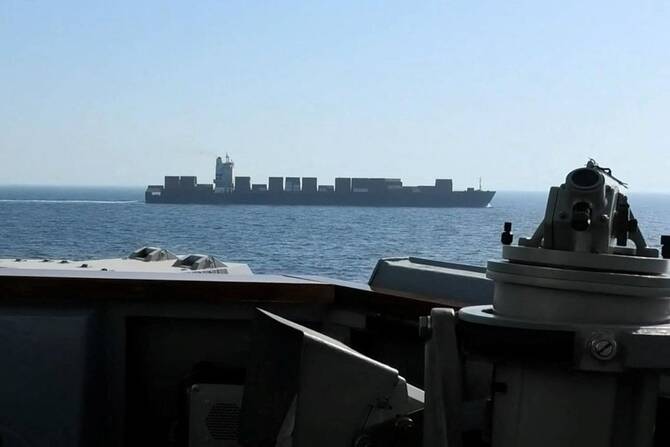
The public reassurance on Saudi-UAE ties follows a December incident where the UAE-backed Southern Transitional Council in Yemen acted unilaterally. Saudi forces targeted an unauthorized military shipment, and the UAE later complied with demands to withdraw. Despite this, a “social media war” fueled perceptions of a deepening rift. Prince Turki’s intervention directly counters that narrative, reaffirming Saudi-UAE ties. He spoke at The Family Office’s “Investing Is a Sea” summit on Shura Island. The discussion also covered Israel-Palestine, where Prince Turki criticized Israeli double standards and expressed hope for Trump’s new Board of Peace. His overarching message, however, was the enduring strength of Saudi-UAE ties.
Context of Recent Tensions Over Yemen
The need to reaffirm Saudi-UAE ties arises from a specific policy disagreement in Yemen. In December, the UAE-supported Southern Transitional Council made a secessionist move near the Saudi border. Saudi Arabia, leading the coalition in Yemen, responded by striking an unauthorized UAE military shipment. This incident tested the Saudi-UAE ties, leading to official statements and online backlash. The UAE Defense Ministry subsequently stated it would comply and support Saudi security. Foreign Minister Prince Faisal bin Farhan later acknowledged a “difference of view” but insisted on the relationship’s critical importance. This context makes Prince Turki’s reaffirmation of Saudi-UAE ties a necessary diplomatic smoothing of a public friction point.
The Social Media Challenge to Diplomatic Narratives
Prince Turki explicitly urged people to “refer to official news sources from Saudi entities,” not social media posts. This highlights how online commentary can distort perceptions of Saudi-UAE ties. A “social media war” with hateful rhetoric created an impression of a major rift, despite official actions to de-escalate. The recent denial by Saudi Media Minister Salman Al-Dossary about refusing a UAE leader’s visit also targeted this misinformation. Prince Turki’s call is an attempt to reassert control over the narrative surrounding Saudi-UAE ties. It acknowledges that in the digital age, diplomatic relationships must be defended not just in closed meetings, but in the public information space.
Broader GCC Integration and Regional Stability
Prince Turki framed the Saudi-UAE ties within a wider GCC context. “This principle applies across the GCC,” he said, referring to integration over collision. Strong ties are therefore presented as a model for Gulf Cooperation Council unity. This integration is vital for regional economic and security stability, especially with shared threats. The affirmation of ties reinforces a united front amid regional uncertainties. It signals to other actors that Gulf solidarity is prioritized over individual policy divergences. This message of cohesive Saudi-UAE ties supports collective Gulf interests in diplomacy, investment, and defense.
Statements on Israel-Palestine and US Diplomacy
Beyond ties, Prince Turki addressed the Israeli-Palestinian conflict. He expressed hope for President Trump’s newly formed Board of Peace. However, he reiterated Saudi Arabia’s consistent position: a Palestinian state must precede normalization with Israel. Prince Turki accused Israel of double standards, supporting Hamas while accusing others of extremism. He cited an Israeli article detailing Netanyahu’s long-term policy of bolstering Hamas to undermine the Palestinian Authority. These comments provide context for Saudi foreign policy, which is based on principles of justice. They also show that while ties are solid, the Kingdom’s stance on Palestine remains independent and principled.
The Role of Official Messaging and Leadership
The repeated high-level affirmations of Saudi-UAE ties demonstrate a coordinated official messaging strategy. Prince Turki, a respected former official, adds weight to statements already made by the foreign and media ministers. This multi-source reinforcement aims to settle the matter conclusively. The leadership in both capitals appears intent on preventing a policy disagreement from damaging the strategic relationship. By having figures like Prince Turki reaffirm ties, they signal that the relationship transcends any single issue. This official chorus is designed to reassure investors, allies, and domestic audiences about the permanence of Saudi-UAE ties.
Implications for Regional Diplomacy and Investment
Strong ties are a prerequisite for major regional initiatives like economic diversification and mega-projects. Perceptions of a rift could spook investors and destabilize cooperative ventures. Prince Turki’s comments at an investment summit are therefore strategically timed. Reaffirming ties assures the financial community that the Gulf remains a coherent bloc for capital. It also supports diplomatic efforts, presenting a united Gulf front in negotiations with Iran, the US, or others. The health of ties is a barometer for the entire region’s stability, making their public reaffirmation a matter of broader strategic importance.
Prince Turki Al-Faisal’s clear and direct remarks serve a vital purpose: to douse the flames of online speculation with the cool water of official reality. The message is unequivocal— ties are strong, rooted in deep bonds, and capable of withstanding policy differences. In an era where social media amplifies discord, such authoritative reaffirmations are essential to maintain strategic partnerships. The focus now will be on how both nations translate this rhetoric into continued collaborative action, proving that their integration is indeed stronger than any temporary collision.