In recent years, sustainable fashion has transformed from a niche interest to a mainstream movement in Arabia’s style scene. Designers, brands, and consumers across the **Middle East — including Saudi Arabia, the United Arab Emirates, Qatar, and beyond — are embracing eco‑conscious practices that reduce environmental impact and celebrate cultural heritage. By blending traditional aesthetics with ethical production, Arabia is not just following global fashion trends — it is shaping them.
This shift reflects broader global concerns about climate change, worker welfare, and ethical consumption. In 2026, sustainable fashion is not simply an idea; it’s a dominant force influencing how clothes are designed, made, bought, and worn in the region.
What Is Sustainable Fashion?

Sustainable fashion refers to clothing and accessories created with environmental and social responsibility in mind. It includes practices such as:
- Eco‑friendly materials (organic cotton, recycled fabrics, plant‑based textiles)
- Ethical manufacturing with fair wages and safe workplaces
- Reduced waste and water use
- Recycling, upcycling, and circular systems
Unlike fast fashion — which prioritizes speed and low cost at the expense of sustainability — sustainable fashion focuses on longevity, transparency, and impact reduction.
Why Sustainability Matters in Arabia
The shift towards sustainability in Arabia is driven by multiple factors:
Environmental Awareness
Rising concern over global warming, desertification, and pollution has made eco‑friendly lifestyles more urgent. Fashion — a major water and energy consumer — is central to this conversation.
Cultural Revival
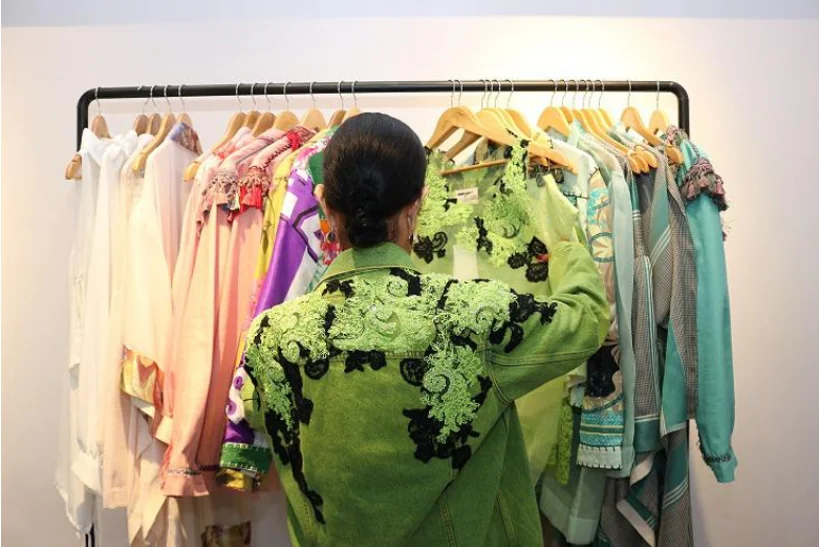
Many designers are fusing traditional textiles and craftsmanship with sustainable methods, creating garments that honor heritage while minimizing ecological harm.
Youth Influence
Young, socially conscious consumers in Arabia actively demand transparency and purpose from brands. Sustainability is part of identity and values for many shoppers.
Policy and Investment
Governments in the region are increasingly supporting sustainable industries as part of economic diversification and climate commitments.
Arabia’s Sustainable Designers Leading the Way
Innovative fashion designers across the Middle East are putting sustainability at the forefront of their work:
- Eco‑textile experimentation: Designers are using fabrics like organic cotton, bamboo, and recycled polyester to create stylish, high‑quality garments that reduce environmental impact.
- Handcrafted production: Collaboration with local artisans helps preserve traditional skills while ensuring ethical labour practices.
- Limited‑edition and slow fashion collections: Many brands emphasize quality over quantity, reducing overproduction and waste.
These approaches not only create beautiful fashion but also support local economies and craftsmanship.
Circular Fashion and Recycling Initiatives
Circular fashion — designing out waste and keeping materials in use — is gaining traction in Arabia. Some notable initiatives include:
- Clothing recycling programs: Retail stores and fashion hubs encourage customers to return old garments for recycling or upcycling.
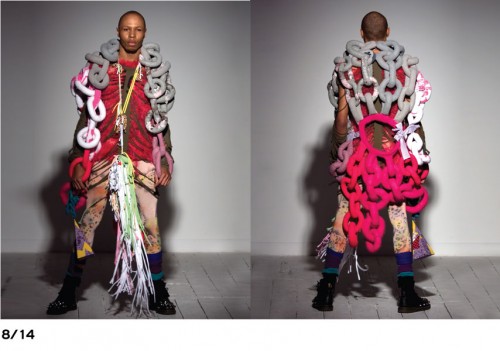
- Upcycling workshops: Designers repurpose fabric offcuts and vintage pieces into fresh, modern looks.
- Resale and swap markets: Community events and online platforms allow people to trade or sell pre‑loved fashion.
These efforts help reduce landfill waste and promote a culture of reuse.
Consumer Demand and Changing Habits
Today’s fashion consumers in Arabia are more informed and intentional. Many are willing to pay a premium for garments that prioritize environmental and social responsibility. Key trends include:
- Ethical lifestyle branding: Fashion labels that share their supply chain story and values connect deeply with customers.
- Minimalism and quality: Shoppers are choosing fewer, better‑made items over fast fashion pieces that quickly wear out.
- Digital communities: Social media influencers and sustainable fashion bloggers in the region educate followers about eco‑friendly choices and ethical brands.
Consumers are demanding accountability and transparency, and brands that fail to meet these expectations risk losing relevance.
Retailers Embrace Sustainable Practices
Retailers are responding to customer demand by adopting greener practices:
- Eco‑certifications: Labels like GOTS (Global Organic Textile Standard) and OEKO‑TEX reassure buyers about materials and production.
- Green storefronts: Some retail spaces use energy‑efficient lighting, recycled fixtures, and low‑waste packaging.
- Collaborations: Major fashion chains partner with sustainable designers for limited collections.
These changes align retail experience with environmental values and provide shoppers with responsible choices.
Fashion Weeks & Sustainability Showcases
Arab fashion weeks — including events in Dubai, Riyadh, and Doha — are incorporating sustainability as a central theme. Runway shows now highlight:
- Ethical collections
- Sustainable materials
- Projects that support traditional craft communities
- Panels on eco‑fashion education and policy
Fashion festivals spotlighting sustainable design elevate public awareness and industry commitment.
Technological Innovation in Fashion Sustainability
Technology plays an increasingly prominent role in sustainable fashion:
- Digital design and sampling: Reduces physical waste and speeds up ethical production.
- 3D printed garments: Minimizes fabric waste and allows customization.
- AI trend forecasting: Helps brands produce only what’s needed, reducing surplus.
Tech‑enabled solutions are empowering Arabia’s fashion industry to be both creative and responsible.
Challenges Ahead
Despite progress, sustainable fashion in Arabia faces challenges:
- Cost of sustainable materials: Eco‑friendly textiles can be more expensive than conventional materials.
- Consumer awareness gaps: Not all shoppers understand sustainability metrics or why they matter.
- Scale limitations: Small sustainable brands sometimes lack the infrastructure or capital to scale.
Addressing these challenges will require collaboration among designers, policymakers, educators, and consumers.
The Future of Sustainable Fashion in Arabia
Looking toward 2030, sustainable fashion is likely to become even more entrenched in Arabia’s style culture. Predictions include:
- Greater use of biodegradable and recycled textiles
- Expansion of resale and rental fashion markets
- Policy incentives for green manufacturing
- Region‑wide sustainability awards and certification programs
As environmental issues become ever more urgent, fashion in Arabia will continue embracing innovation, ethics, and cultural expression.
Sustainable fashion has moved beyond trend status to become a defining force in Arabia’s style scene. From designers using eco‑friendly fabrics to consumers demanding ethical transparency and circular systems reducing waste, the region is reimagining fashion for the future. By honoring tradition while embracing innovation, sustainable fashion in Arabia exemplifies how culture and responsibility can coexist beautifully in 2026 and beyond.