Introduction
Arabian fashion, with its rich cultural heritage, has long been associated with elegance, sophistication, and craftsmanship. In recent years, traditional Arabian clothing has gone global, making its mark on international fashion runways, global streetwear trends, and luxury brands. What was once primarily worn in the Middle East is now being embraced by diverse cultures and communities worldwide. From the flowing abayas and kaftans to the intricate thobes and dishdashas, Arabian clothing is being reinterpreted for global audiences, becoming a prominent symbol of cultural exchange and fashion innovation.
This article explores how traditional Arabian clothing has evolved into a fashion export, its growing international appeal, and the influence it has on global fashion trends.
The Roots of Traditional Arabian Clothing
Traditional Arabian clothing is deeply rooted in the region’s history and culture. The clothing is often made from natural fabrics like cotton, wool, and silk, designed for both comfort and protection in the harsh desert climate. These garments have always been a symbol of status, culture, and tradition.
- Abaya: The flowing black cloak worn by women, especially in the Gulf region, is often embellished with intricate embroidery or delicate beadwork.
- Kaftan: A loose, long robe worn by both men and women, the kaftan has become popular as a fashionable yet modest garment in both the Middle East and the West.
- Thobe: A long, robe-like garment worn by men in the Arabian Peninsula, usually made from cotton or silk.
- Dishdasha: Another name for the thobe, often worn by men in the UAE and Saudi Arabia, it is a symbol of traditional masculinity in Arabian culture.
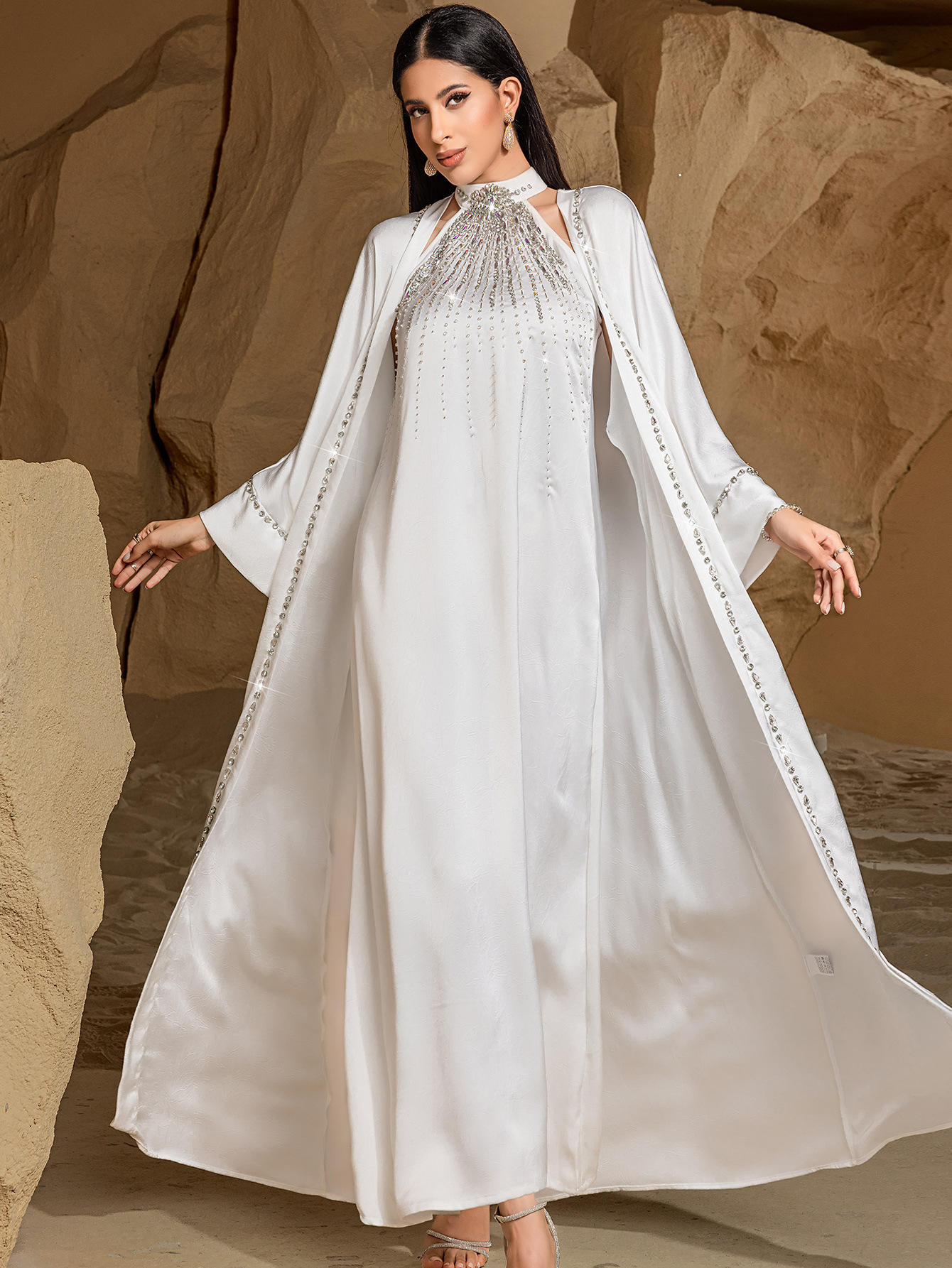
The rich history of these garments, combined with their elegant simplicity, has made them a natural fit for global adaptation.
The Globalization of Arabian Fashion
In recent years, traditional Arabian clothing has transcended its cultural roots, becoming a global fashion trend. High-profile celebrities, influencers, and designers have played a significant role in promoting Arabian-style garments on the international stage.
- Arabian Fashion Week: Cities like Dubai and Riyadh have established themselves as key players in the global fashion industry with the introduction of Arabian Fashion Weeks. These events have allowed designers to showcase modern interpretations of traditional clothing and introduce new concepts in contemporary Arabian fashion.
- Celebrity Influence: Celebrities such as Rihanna, Bella Hadid, and Naomi Campbell have been spotted wearing modern abayas, kaftans, and thobes, contributing to the mainstream acceptance of these garments. As international fashion icons embrace Arabian clothing, it further cements its place in global fashion.
- Luxury Fashion Brands: Luxury fashion houses like Dolce & Gabbana, Versace, and Chanel have incorporated elements of Arabian style into their collections, such as embellished kaftans and thobes, introducing traditional Arabian aesthetics to the luxury market.
Traditional Arabian Clothing in Global Streetwear
One of the most exciting developments in the global popularity of Arabian clothing is its integration into streetwear culture. The combination of comfort, practicality, and style has made traditional garments like the abaya and thobe desirable in everyday fashion.
- Modern Adaptations: Young designers in the Middle East and around the world are putting a contemporary twist on traditional garments. For example, the abaya is being reimagined as a stylish outerwear piece, with creative cuts, bold colors, and embroidery, allowing it to become part of global streetwear trends.
- Cultural Fusion: The blending of traditional Arabian clothing with other cultural styles has resulted in innovative, hybrid pieces that appeal to a broad audience. Streetwear brands are increasingly incorporating Middle Eastern-inspired elements, such as geometric embroidery, oversized cuts, and flowing fabrics, into their collections.
- Celebrity Endorsements: International influencers and musicians, especially those in the Middle East and North Africa (MENA) region, are embracing and elevating Arabian streetwear. The popularity of this fusion style has helped traditional clothing gain recognition in global street fashion.
The Role of Social Media in Promoting Arabian Fashion
Social media has been a powerful tool in spreading the influence of traditional Arabian clothing across the globe. Platforms like Instagram, Pinterest, and TikTok have allowed fashion enthusiasts to discover and share unique styles, including modern takes on Arabian attire.
- Instagram Influencers: Influencers and fashion bloggers from the MENA region have gained large followings by showcasing their style, which includes traditional clothing like abayas, kaftans, and thobes. Many influencers are combining these garments with contemporary fashion, creating new, hybrid looks that appeal to international audiences.
- Hashtags and Trends: The use of hashtags like #ArabianStyle, #KaftanFashion, and #ModestFashion has allowed traditional Arabian clothing to reach wider audiences. Online communities have emerged around these fashion movements, where people can engage with and promote Arabian-inspired designs.
Sustainability and Ethical Fashion in Arabian Clothing
Another reason for the increasing global popularity of Arabian clothing is its alignment with sustainable fashion practices. Many traditional garments are handmade using natural, locally sourced materials, reflecting a commitment to sustainability that is increasingly important to consumers worldwide.
- Handcrafted Designs: Many traditional garments, such as embroidered abayas and kaftans, are made using techniques that have been passed down for generations. This artisanal approach to fashion supports local artisans and promotes ethical production methods.
- Durability: The high-quality fabrics and craftsmanship involved in producing traditional clothing ensure that these garments last longer than mass-produced fashion items. This makes them a sustainable choice for consumers who are mindful of the environmental impact of their purchases.
The Future of Arabian Fashion
As global fashion continues to embrace diversity, traditional Arabian clothing is poised to become a staple in international wardrobes. The fusion of traditional garments with contemporary designs is creating new, exciting fashion opportunities. With the rise of modest fashion, sustainability concerns, and the influence of social media, Arabian clothing is expected to see continued growth as a key export of Arabian culture.
The future of Arabian fashion is one of cultural exchange, where centuries-old designs meet modern sensibilities to create a truly global fashion movement. As more people worldwide embrace these garments, traditional Arabian clothing will continue to be a symbol of cultural pride, elegance, and innovation.
Conclusion
The global rise of Arabian fashion, especially traditional clothing, is a testament to the power of cultural exchange in the modern fashion world. As Arabian-style garments like abayas, kaftans, and thobes make their way from the Middle East to fashion capitals around the world, they bring with them a rich history of craftsmanship, elegance, and cultural significance. Whether on the runway, in streetwear, or on social media, Arabian fashion is influencing global trends and creating new opportunities for designers and consumers alike.