UAE-India Flights Disrupted as Pakistan Closes Airspace
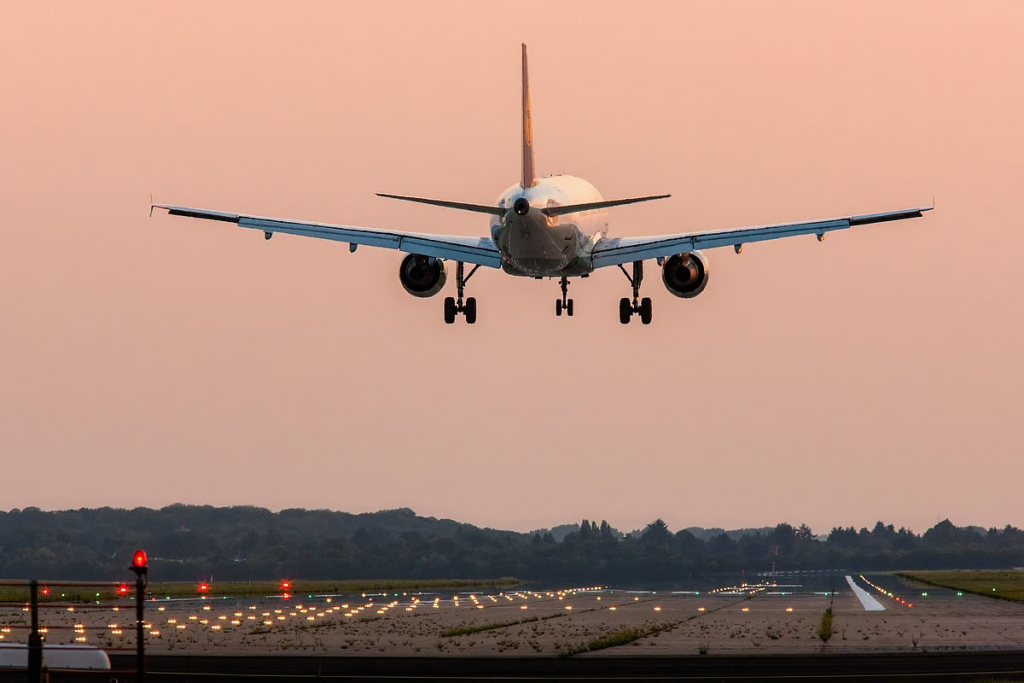
In a move that has raised fresh concerns across one of the world’s busiest air corridors, Pakistan has closed its airspace to all Indian-owned and operated airlines, triggering immediate disruptions to UAE-India flights and the potential for widespread travel delays and fare hikes.
✈️ The Cause: Rising India-Pakistan Tensions
The airspace ban follows a deadly terrorist attack in Pahalgam, Jammu and Kashmir, earlier this week that left 26 Indian tourists dead. The attack has escalated diplomatic tensions between Islamabad and New Delhi, prompting swift retaliatory measures—including the closure of Pakistani airspace to Indian flights.
🔀 Airlines Reroute Over Arabian Sea
Air India, IndiGo, and Air India Express confirmed that flights operating from Dubai, Abu Dhabi, and Sharjah to Indian cities such as Delhi, Mumbai, and Bengaluru will now be rerouted—likely via the Arabian Sea or longer southern air corridors. These alternate paths could add up to two hours of additional flight time.
“Air India regrets the inconvenience caused… The safety of our customers and crew remains our top priority,” the airline said in a statement to Khaleej Times.
🛫 Gulf Carriers Unaffected—for Now
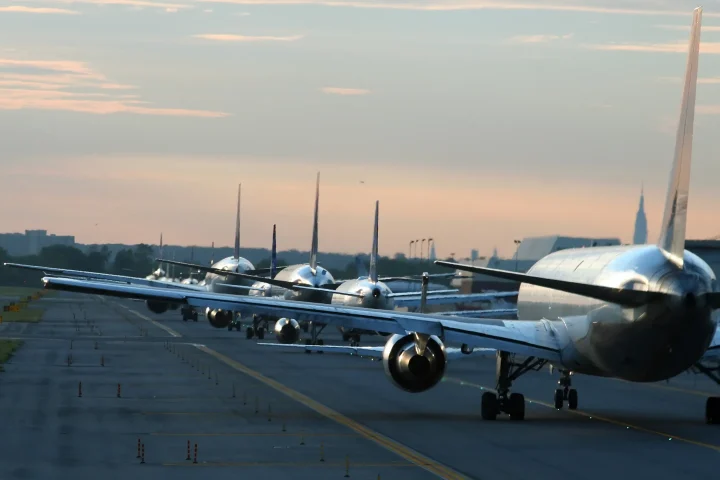
UAE-based airlines such as Emirates, Etihad, flydubai, and Air Arabia are currently not affected, as the restriction applies only to Indian carriers. However, experts warn that the air traffic congestion at Indian airports could still lead to indirect delays and slot rescheduling, even for Gulf carriers.
💸 Will Airfares Rise?
Travel experts are divided:
- Waseem Rahmani, GM at Orient Travels, predicts “slightly higher fares” due to increased fuel costs.
- Safeer Mohammed, GM at Smart Travels, suggests airlines won’t immediately raise prices, citing national responsibility over commercial priorities.
- Bharath Aidasani, of Pluto Travels, notes the North Indian sector (e.g., Delhi, Amritsar, Srinagar) will be most affected, with delays ranging from 15 to 30 minutes.
- Kunaal Nanik, of Marcopolo Travels, remains optimistic, expecting minimal disruption due to the airlines’ experience in handling similar crises.
🕰️ A Familiar Scenario
This is not the first time regional unrest has led to aviation chaos:
In 2019, Pakistan closed its airspace for nearly five months after the Pulwama attack, disrupting over 400 flights daily. Back then, UAE-India travelers faced 60- to 90-minute delays, flight suspensions, and restructured itineraries.
🔎 What Passengers Should Know
If you’re flying to India from the UAE in the coming days:
- Check with your airline for updated flight status
- Expect potential delays
- Plan for flexible travel schedules
📌 Bottom Line
As long as Pakistan’s airspace remains closed to Indian airlines, travelers should brace for longer flights, possible fare increases, and temporary scheduling chaos. While Gulf carriers may continue operations as usual, ripple effects are already beginning to show.