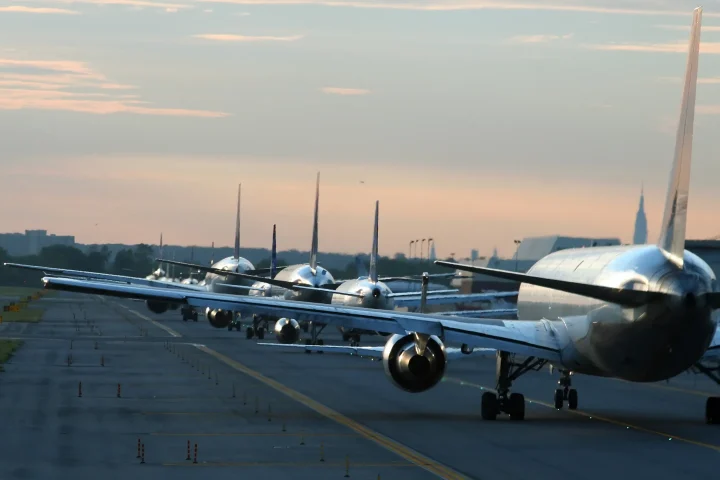
Pakistan Hajj 2025 flight operation officially launches on Tuesday, kicking off a 33-day-long airlift that will carry nearly 89,000 pilgrims under the government scheme to Saudi Arabia for the annual pilgrimage. The monumental travel effort, reported by state media, marks the beginning of a well-coordinated plan to ensure Pakistani pilgrims reach Makkah and Madinah smoothly.
On the first day of the Pakistan Hajj 2025 flight operation, six flights are scheduled: two from Lahore and one each from Islamabad, Karachi, Quetta, and Multan. This inaugural wave symbolizes the nation’s commitment to providing a seamless pilgrimage experience for its citizens.
The government has organized 342 flights to transport pilgrims between May 7 and May 31. Among the total travelers, approximately 50,500 will benefit from the Makkah Route Initiative — a Saudi-led project introduced in 2019 to fast-track immigration procedures for pilgrims before they even board their flights. This service, available in Pakistan, Malaysia, Indonesia, Morocco, and Bangladesh, saves pilgrims critical time upon landing in Saudi Arabia.
Under the Makkah Route Initiative this year, 28,000 Pakistani pilgrims will depart from Islamabad, while 22,500 others will travel from Karachi. Completing immigration at home airports means pilgrims can immediately focus on their spiritual journey upon arrival without facing delays.
In addition to government-organized travel, about 23,620 Pakistanis will perform Hajj through private tour operators, adding to the spirit of independent pilgrimage journeys. All groups will converge in the holy cities of Makkah and Madinah in preparation for the sacred rites of Hajj, set to peak in June.
Globally, Hajj 2025 is expected to be one of the largest gatherings of Muslims in history. Projections estimate that over 2.5 million faithful from around the world will undertake the journey this year, highlighting Hajj’s enduring significance and unifying power.
The Pakistan Hajj 2025 flight operation stands as a testament to Pakistan’s logistical dedication, Saudi Arabia’s hospitality, and the shared spiritual commitment of the Muslim Ummah.