Houthis Say US Backed Down in Red Sea Ceasefire, Vow to Keep Targeting Israel
May 7, 2025 – Middle East Desk —
The Houthi leadership has dismissed claims by U.S. President Donald Trump that they “capitulated” in agreeing to a Red Sea ceasefire, asserting instead that it was Washington that shifted its stance.
Speaking to Al-Masirah TV, senior Houthi negotiator Mohammed Abdul Salam stated:
“It’s the American position that changed — our stance remains unchanged.”
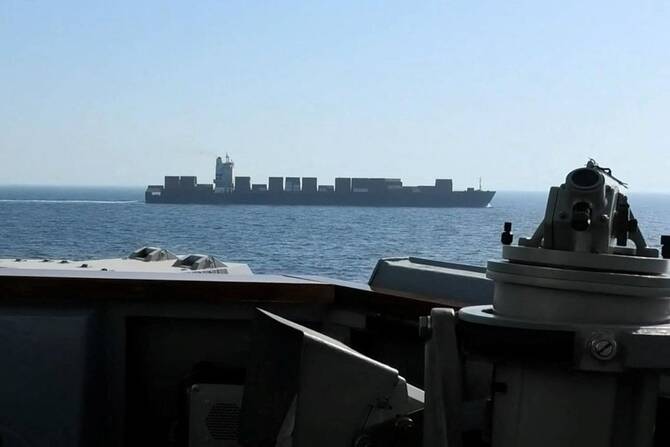
His remarks came after Oman, the mediator in the talks, confirmed that the U.S. and the Iran-backed Yemeni group had agreed to halt attacks on each other, effectively ending seven weeks of U.S. airstrikes targeting Houthi positions in response to assaults on international shipping lanes.
However, Abdul Salam emphasized that the ceasefire does not cover Israel, which continued to be a target. He reaffirmed the group’s unwavering support for Palestinians in Gaza, saying it remains “firm.”
Ceasefire Details and Continued Israeli Strikes
While Trump celebrated the agreement, declaring, “They don’t want to fight anymore,” and pledged to stop U.S. air raids, Houthi officials painted a different picture. According to Abdul Salam, Trump’s statement reflects “Washington’s frustration” after its failure to shield Israeli-linked vessels in the region.
Omani Foreign Minister Badr Albusaidi confirmed on X that both sides had agreed not to target one another, especially in key shipping routes such as the Red Sea and Bab al-Mandab Strait, ensuring free passage for commercial traffic.
Despite the truce, Israel has intensified airstrikes on Houthi targets this week in response to recent missile launches, including one that landed near Ben Gurion Airport, injuring six.
On Monday, Israeli warplanes struck Hudaydah port, destroying infrastructure and killing four people. A day later, they bombed Sanaa’s international airport, damaging planes, runways, and power stations. At least three people were killed, and several key facilities were obliterated.
Prime Minister Benjamin Netanyahu issued a stern warning:
“Anyone who attacks Israel will pay the price.”
Background and Fallout
The Houthis have controlled much of northwestern Yemen since 2014 after ousting the internationally recognized government from Sanaa, sparking a prolonged civil war. Since late 2023, they’ve launched dozens of missile and drone attacks on Red Sea shipping, claiming solidarity with Gaza.
They’ve frequently said they target only US, UK, or Israeli-linked vessels, though many of their claims have been debunked. Despite deployments of Western naval forces and repeated airstrikes under both the Biden and Trump administrations, the Houthis continued their campaign.
As of late April, the U.S. had carried out over 800 strikes on Houthi infrastructure, reportedly killing hundreds of fighters and several unnamed commanders.
The Houthis contest those figures, acknowledging civilian deaths but downplaying militant losses.
With both sides now pledging to avoid further direct conflict, the region may witness a temporary calm — but with Israel excluded from the ceasefire terms, tensions are likely to persist.