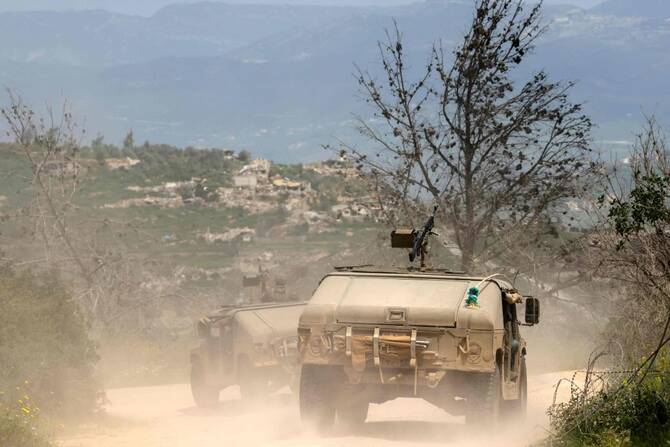
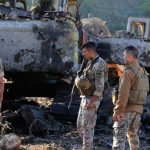
On the eve of Eid Al-Adha, June 5, 2025, Israel launched airstrikes on Beirut’s southern suburbs, targeting a Hezbollah drone production facility. The Israel Defense Forces (IDF) claimed the underground unit, funded by “Iranian terrorists,” produced “thousands” of drones, violating a six-month ceasefire. The attack, which followed evacuation warnings, caused no reported injuries but drew sharp criticism from Lebanon. Here’s what unfolded.
The Strikes and Reactions
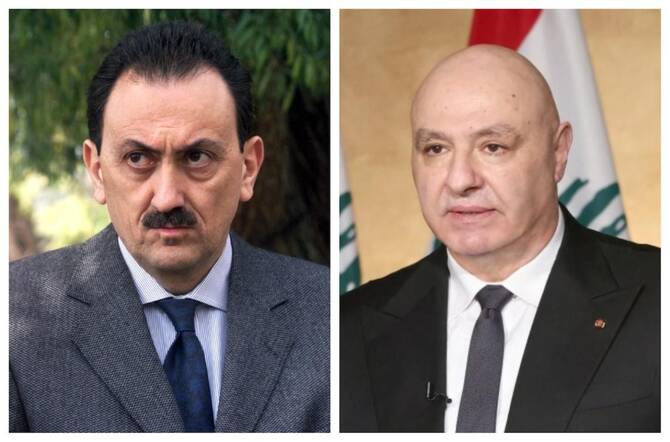
The IDF struck Hadath, Haret Hreik, and Borj el-Barajneh in Beirut’s Dahieh area, prompting mass evacuations and traffic gridlock. Lebanon’s Prime Minister Nawaf Salam condemned the strikes as a “deliberate attack” on stability, per X, while President Joseph Aoun called them a “flagrant violation” of the ceasefire. The UN’s Jeannine Hennis urged diplomacy to avoid escalation. Israel’s Defence Minister Israel Katz praised the “perfect execution,” holding Lebanon responsible for Hezbollah’s actions.
Ceasefire Context
The November 2024 ceasefire, between Israel and Lebanon (not Hezbollah), allowed Israel’s withdrawal and Lebanese army policing of southern Lebanon but preserved both sides’ self-defense rights. Israel cited Hezbollah’s drone activities as a breach. Lebanon reported 4,000 deaths, mostly civilians, and 1.2 million displaced during the 2023-24 conflict, per local authorities, while Israel lost 80 soldiers and 47 civilians.https://www.bizmart.ae/2625/trump-netanyahu-gaza-ceasefire-talks/
Why It Matters
The strikes, the third in Dahieh since the ceasefire, risk reigniting tensions. X posts, like @AlJazeera’s, highlight Lebanon’s anger, with 80% of Lebanese opposing Israeli actions in a 2025 Al-Akhbar poll. The attack’s timing on a sacred holiday amplifies outrage, threatening tourism and stability. Hezbollah’s silence suggests a calculated response may follow.https://www.youtube.com/watch?v=MvP-_KNeGqg