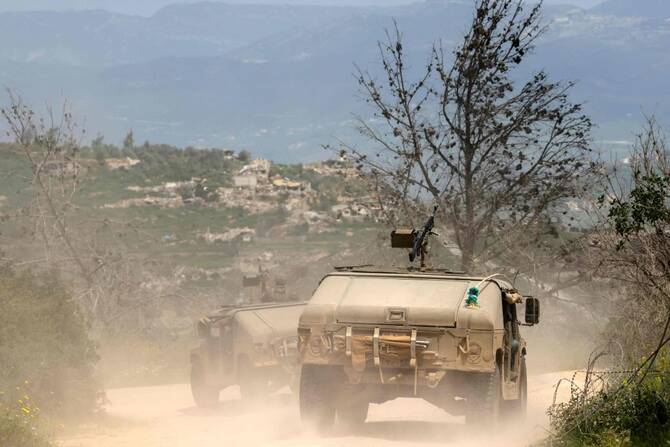
The Israeli attacks on Damascus have triggered a wave of global reactions, with nations across the world expressing deep concern over the escalating violence in Syria. The strikes come amid deadly unrest in Suwayda, where Sunni Bedouin tribes and Druze fighters—whom Israel reportedly views as potential allies—have clashed fiercely in recent days.
On Tuesday, Syrian government forces were deployed to the southern city of Suwayda and declared a ceasefire, but the fighting quickly resumed. Meanwhile, Israeli airstrikes on Damascus have drawn condemnation and concern from key regional and international actors.
United States: “Very Concerned”
U.S. Secretary of State Marco Rubio stated that Washington is “very concerned” about the latest Israeli airstrikes and the broader escalation of violence in Syria.
“We’re going to be working on that issue … I just got off the phone with the relevant parties,” Rubio said. “Hopefully, we’ll have some updates later today. But we’re very concerned about it.”
The U.S. has historically supported Israel’s right to defend itself but has also cautioned against actions that could destabilize the broader region.
Turkiye: Condemns Attacks as Regional Threat
Turkiye’s Ministry of Foreign Affairs strongly condemned the Israeli airstrikes, calling them a deliberate attempt to undermine Syria’s path to peace and stability.
“The Syrian people have a historic opportunity to live in peace and integrate with the world,” the ministry said.
“All stakeholders should contribute to the Syrian government’s efforts to restore peace.”
Omer Celik, spokesperson for President Recep Tayyip Erdogan’s AK Party, also criticized Israel, writing on X that:
“Israel’s attacks pose a security threat to the entire region and the world.”
GCC: Strongest Condemnation from Gulf Bloc
The Gulf Cooperation Council (GCC)—comprising Bahrain, Kuwait, Oman, Qatar, Saudi Arabia, and the United Arab Emirates—issued a unified condemnation in the “strongest terms”.
Jasem Mohamed Albudaiwi, GCC Secretary-General, labeled the airstrikes a:
“Flagrant violation of Syrian sovereignty, a breach of international laws and norms, and a serious threat to regional security and stability.”
He reaffirmed the GCC’s support for Syria’s territorial integrity, adding that the attacks reflect an “irresponsible escalation” by Israel.
Norway: Warns Against Undermining Peace Efforts
Norwegian Foreign Minister Espen Barth Eide expressed concern that the Israeli attacks on Damascus could derail Syria’s fragile attempts at a peaceful political transition.
“Deeply concerned about recent Israeli airstrikes and rising domestic tensions,” Eide wrote on X.
“The escalation risks undermining efforts towards a peaceful, Syrian-owned transition.”
He urged “maximum restraint” from all actors involved and emphasized the importance of diplomacy and de-escalation.
Context: Tensions Mount in Suwayda and Beyond
The violence in Suwayda and the Israeli strikes on Damascus have further complicated Syria’s already volatile landscape. While the Syrian government attempts to assert control, Israeli involvement—reportedly aimed at protecting Druze communities—has raised suspicions and alarm among regional powers.
Israel has not officially confirmed its role in the latest airstrikes, but analysts suggest its strategic calculus may involve countering Iranian influence and supporting non-Sunni minorities seen as allies or stabilizers in the region.
The Israeli attacks on Damascus have drawn international condemnation and spotlighted the growing dangers of renewed conflict in Syria. As diplomatic appeals for restraint mount, the world watches anxiously for signs of de-escalation—or further violence—in the coming days.