DAMASCUS – A Syrian government-appointed committee has identified 298 suspects implicated in sectarian violence that claimed the lives of at least 1,426 Alawites in early March, in one of the bloodiest episodes since the country’s shift in leadership.
The violence occurred over three days—March 7, 8, and 9—in Syria’s Alawite-dominated coastal provinces, including Tartus, Latakia, and Hama. According to the committee, the atrocities involved premeditated killings, looting, torture, and destruction of property, primarily targeting Alawite civilians.
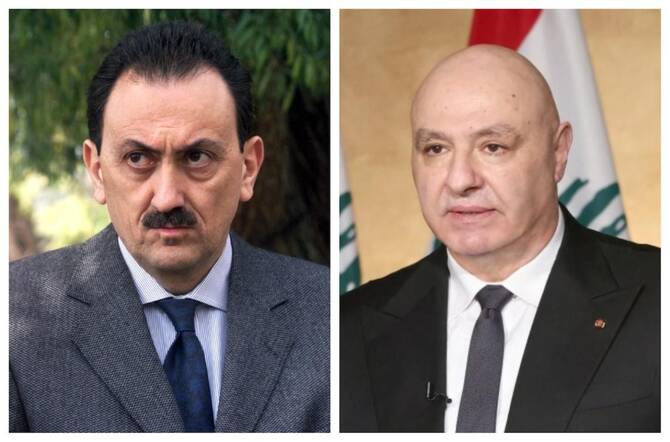
Speaking at a press conference in Damascus, committee spokesman Yasser Al-Farhan described the findings as preliminary but significant. Two separate lists of the 298 named suspects have already been referred to the judiciary for legal proceedings.
“The committee documented serious violations against civilians, including murder, looting, torture, and sectarian insults,” Al-Farhan said.
The committee confirmed the deaths of 1,426 people, including 90 women, with most victims being non-combatant Alawites. The Syrian Observatory for Human Rights, however, placed the death toll higher, reporting more than 1,700 fatalities, primarily Alawite civilians.
The report also stated that the attacks killed 238 army and security personnel. Many believe that pro-Assad gunmen carried out the violence, accusing them of conducting sectarian purges, storming homes, and executing residents based on their religious identity—Alawite or Sunni.
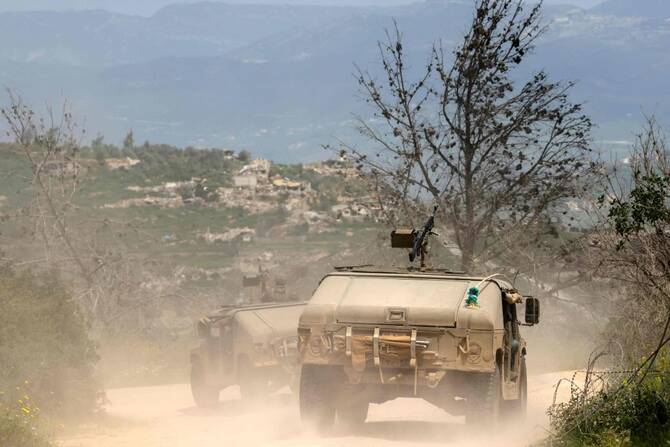
Following the attacks, the Syrian military dispatched reinforcements to the affected provinces.
Human rights organizations condemned the events, and Amnesty International urged Damascus to publish the full report and hold those responsible accountable.
The Syrian presidency confirmed that President Ahmed Al-Sharaa received the investigative report on July 13—the same day a separate wave of sectarian violence erupted in Sweida, the Druze heartland, resulting in more than 1,200 additional deaths according to the Observatory.
These events have intensified concerns over the Syrian government’s capacity to manage sectarian tensions and uphold internal security, more than seven months after Islamist forces ousted former president Bashar Assad, who had positioned himself as a protector of minority communities.