The Gaza aid foundation, a US- and Israel-backed organisation created to distribute food outside the UN system, has announced the end of its operations in the territory after nearly six months of activity. The shutdown marks a contentious chapter in Gaza’s humanitarian response, with the Gaza aid foundation at the centre of heated debate, widespread criticism, and deadly incidents that left deep scars on the population.
Gaza aid foundation ends operations after chaotic months
The Gaza aid foundation had already halted its three major food distribution centres after the Hamas-Israel ceasefire took effect six weeks ago. The group, designed to bypass the UN and operate inside Israeli military zones, argued that its model prevented Hamas from intercepting supplies. However, UN bodies and aid agencies condemned the system as unsafe, unneutral, and incompatible with humanitarian principles.
According to the UN’s human rights office, hundreds of Palestinians were killed while gathering near GHF distribution points between late May and July, many struck by Israeli fire as they sought food during critical shortages. Israel denied intentionally targeting civilians, saying its forces fired warning shots at crowds seen as approaching in a threatening manner.
GHF praises its mission while critics highlight harm
In its shutdown announcement, the Gaza aid foundation said it had “successfully completed its emergency mission”, delivering more than 187 million meals. Its director, Jon Acree, added that the US-led Civil-Military Coordination Centre, which is tied to President Donald Trump’s Gaza peace plan, would expand the model GHF tested.
The US State Department echoed that sentiment, crediting GHF with helping pressure Hamas into ceasefire negotiations. Hamas, meanwhile, celebrated the closure, accusing the foundation of fueling suffering and demanding full accountability for the deaths and injuries caused near its sites.
Humanitarian principles and political tensions collide
Humanitarian groups across the world had refused to partner with the Gaza aid foundation. They argued that placing aid sites inside militarised areas exposed civilians to unacceptable risks. The UN said the model violated neutrality and independence, core standards that guide global emergency response.
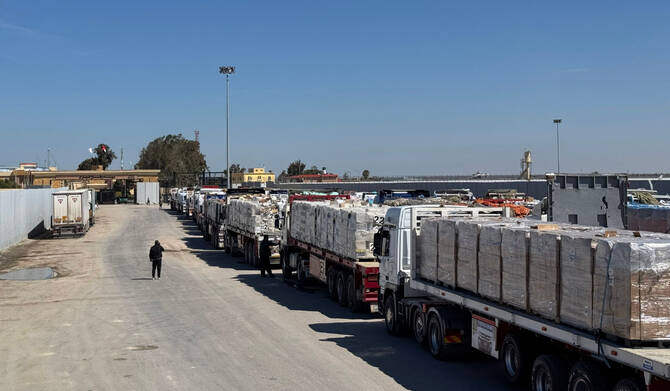
Since the ceasefire began, more aid has entered Gaza, though the UN warns it still falls far short of meeting the needs of the 2.1 million people living in the territory. The organisation added that the GHF’s closure has “no impact” on its operations because it never worked with the group.
As Gaza continues to grapple with food shortages and the aftermath of months of conflict, the legacy of the Gaza aid foundation remains sharply divisive—hailed by some as innovative and condemned by others as dangerous, political, and deeply harmful to the people it aimed to help.