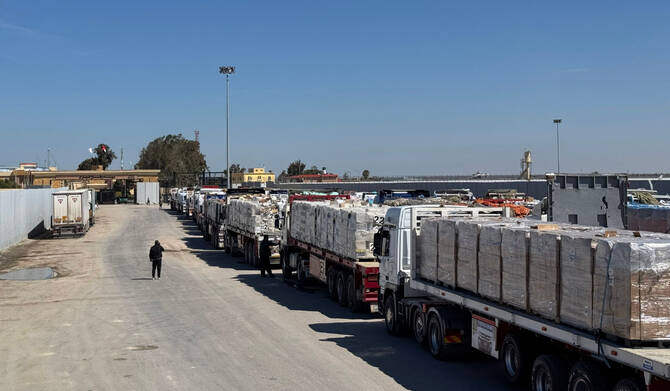
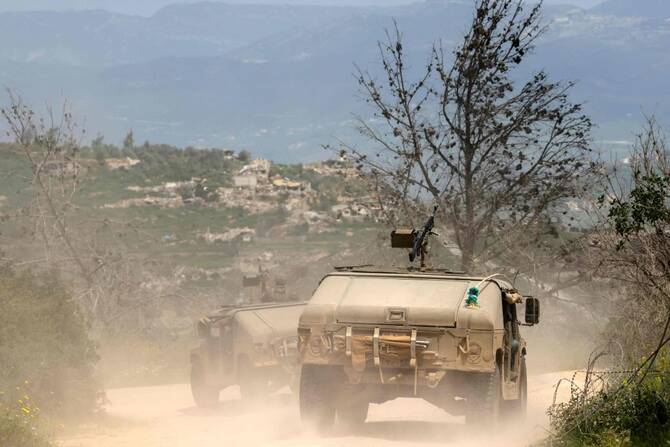
The International Court of Justice (ICJ) has declared that Israel Gaza aid deliveries must be allowed and facilitated under international law. In its advisory opinion, the UN’s top court said Israel is legally obliged to ensure that the basic needs of Palestinian civilians in Gaza are met and that humanitarian agencies, including UNRWA, can operate freely.
The court rejected Israel’s claims that UNRWA—the UN agency for Palestinian refugees—was infiltrated by Hamas, stating that “insufficient evidence” had been provided. ICJ President Yuji Iwasawa emphasized that as an occupying power, Israel must “facilitate relief schemes by all means at its disposal” to supply essentials such as food, water, medicine, and shelter to the population.
UN Secretary-General António Guterres welcomed the ruling, calling it “a very important decision” and expressing hope that Israel would comply. UNRWA Commissioner-General Philippe Lazzarini said the decision was “unambiguous” and that his agency was ready to immediately scale up humanitarian operations if permitted.
Israel’s Response and Global Reactions
Israel’s foreign ministry dismissed the Israel Gaza aid ruling as “political,” asserting that it fully complies with international law and accusing UNRWA of harboring “terror activities.” The ministry reiterated that Israel would not cooperate with the agency, which it banned earlier this year.
UNRWA, employing about 12,000 staff in Gaza, has consistently denied Israel’s allegations. The agency maintains that it provides vital education, healthcare, and emergency services to more than two million Palestinians. It has also reported that over 300 of its workers have been killed since the conflict began.
Palestinian officials praised the ICJ’s findings, saying the ruling confirms that Israel must lift “illegal restrictions” on aid and allow UN agencies to operate without obstruction.
Humanitarian Context in Gaza
The Israel Gaza aid ruling comes amid worsening humanitarian conditions. Before the current ceasefire, UN experts warned of “catastrophic” food insecurity affecting more than 640,000 people, with parts of Gaza facing a man-made famine.
The World Food Programme reports that around 750 tonnes of food and supplies are entering Gaza daily under the truce—well below the needed level to feed the 2.1 million residents.
While the ICJ’s opinion is non-binding, it carries major moral and diplomatic weight, increasing pressure on Israel to reopen borders for UN assistance. Global observers now await whether the ruling will translate into concrete relief for Gaza’s civilians and a shift toward accountability under international law.