Israel has agreed to a limited reopening of the Rafah border crossing, permitting only pedestrian passage between Gaza and Egypt. This decision follows intense diplomatic pressure and is contingent upon the recovery of the last hostage’s remains. Prime Minister Benjamin Netanyahu’s office confirmed the move, stating it is “subject to a full Israeli inspection mechanism.” Consequently, the vital gateway, closed since Israeli forces assumed control during the war, will not initially allow vehicular aid traffic. The Rafah crossing reopening forms a key part of the U.S.-brokered truce framework announced in October. However, significant restrictions will define this initial phase, leaving aid agencies concerned about the flow of essential supplies.
Terms and Conditions of the Rafah Crossing Reopening
The Israeli government outlined strict parameters for the border’s operation. The Rafah crossing reopening is expressly for “pedestrian passage only.” All individuals moving through will be subject to comprehensive Israeli security inspections. Officials emphasized that the move remains dependent on “the return of all living hostages and a 100 percent effort by Hamas to locate and return all deceased hostages.” It remains unclear if this policy will permit medically evacuated patients to exit Gaza for treatment abroad. The announcement directly ties humanitarian access to the resolution of the hostage issue, creating a clear diplomatic linkage. This condition underscores the political complexity surrounding every step in Gaza.
Diplomatic Pressure and Ceasefire Framework
The decision follows reported urging from visiting U.S. envoys Steve Witkoff and Jared Kushner during weekend talks in Jerusalem. U.S. President Donald Trump’s October truce plan explicitly included reopening Rafah as an initial step toward a “durable and everlasting peace.” Furthermore, Gaza’s newly appointed administrator, Ali Shaath, told the World Economic Forum in Davos that the crossing would open “in both directions” this week. He described Rafah as “a lifeline and a symbol of opportunity.” The Israeli announcement appears to partially align with these expectations but imposes notable limitations. The phased approach seeks to balance international humanitarian demands with domestic Israeli political imperatives related to the hostages.
The Hostage Issue and Military Operations
The Rafah crossing reopening is irrevocably linked to the case of Ran Gvili, the last known hostage held in Gaza. Gvili, a police officer killed on October 7, 2023, has been the subject of a recent intensive search. The Israeli military reported searching a cemetery in Gaza for his remains on Sunday. A Hamas military spokesman, Abu Obeida, stated the group had provided mediators with details on the body’s location. Netanyahu’s office stated that opening the crossing would occur “upon completion of this operation.” Gvili’s family has publicly insisted that the second phase of any plan, including border openings, must not proceed until his remains are returned. Their stance has heavily influenced the government’s conditional approach.
Humanitarian Impact and Aid Concerns
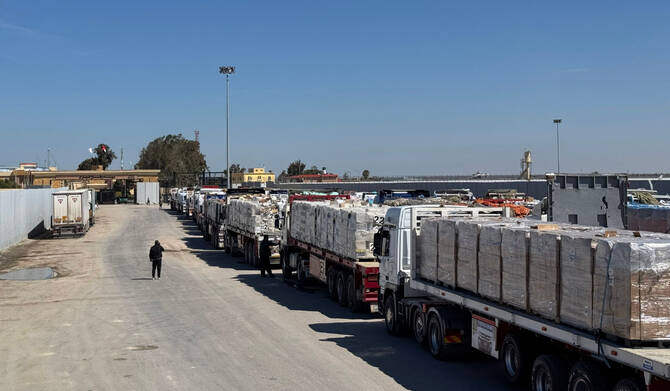
The restricted nature of the reopening raises immediate questions about humanitarian aid delivery. Before the war, Rafah was the primary conduit for international aid into the blockaded Gaza Strip, home to 2.2 million people. World leaders and aid agencies have persistently demanded increased aid access to address devastation from over two years of war. A pedestrian-only policy does not facilitate the large-scale entry of trucks carrying food, medicine, and essential equipment. This limitation could prolong a severe humanitarian crisis where needs are catastrophic. The “full Israeli inspection mechanism” may also create bottlenecks, slowing the movement of even those individuals permitted to cross. The practical effect on Gaza’s civilian population may therefore be modest initially.
Regional and Political Context
The war, sparked by Hamas’s October 7 attack which killed 1,221 people in Israel, has resulted in profound devastation. Gaza health authorities report over 71,000 deaths since the conflict began. The Rafah crossing reopening, even in limited form, represents a fragile diplomatic achievement. It also highlights the ongoing role of U.S. mediation under the Trump administration. The involvement of figures like Kushner indicates continued high-level engagement. However, the exclusion of vehicular traffic suggests Israel remains cautious about security and material flows. This caution reflects deep-seated tensions and the lack of a comprehensive political resolution. The move is a tactical step within a still-unresolved strategic conflict.
The agreement for a limited Rafah crossing reopening marks a hesitant step toward implementing the ceasefire framework. It demonstrates the intricate negotiation required for each element of the truce. While offering a symbolic reopening, the pedestrian-only policy falls short of the unimpeded humanitarian access demanded by the international community. The fate of the crossing remains tethered to the somber task of recovering a fallen hostage’s remains. This linkage ensures that humanitarian and political issues remain intertwined. The coming days will reveal the operational reality of the crossing and whether it can evolve into a more robust channel for aid and movement. For now, it stands as a controlled gesture amid a landscape of immense need.