Israel’s Ultra-Orthodox conscription bill is pushing the country into a crisis. The proposed legislation aims to draft ultra-Orthodox Jewish men into the military, challenging the long-standing exemption given to those enrolled in full-time religious study. This has become one of the most contentious political issues facing Prime Minister Benjamin Netanyahu.
Shifting Public Opinion and Rising Tensions
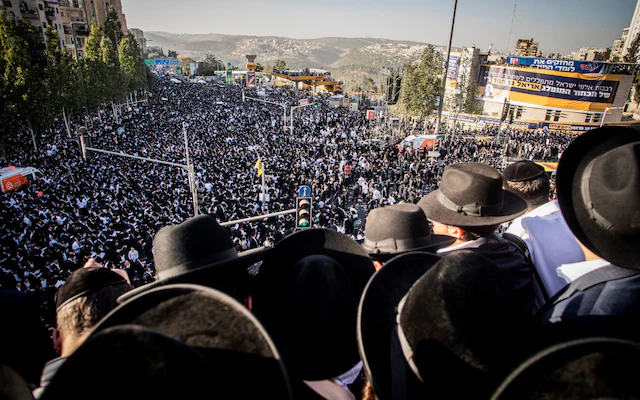
Public opinion on military service has shifted dramatically after two years of war. The push to draft ultra-Orthodox men has led to widespread protests, with tens of thousands of Haredi men taking to the streets in opposition. These protests have now spilled into the political arena, intensifying tensions between religious and secular Israelis.
The Political Implications for Netanyahu
Netanyahu’s government faces increasing pressure from both religious and secular factions. Some lawmakers from Netanyahu’s coalition have criticized the bill for being too lenient, while others within his party fear it will alienate key allies. As the law progresses, Netanyahu risks losing support, not only from the ultra-Orthodox community but also from his broader political base.
Divisions Within the Ultra-Orthodox Community
The ultra-Orthodox community, which has grown significantly in Israel, now represents 14% of the population. The community is divided on the issue, with some leaders supporting the bill to avoid political collapse, while others oppose any compromise. The ongoing debate is redefining what it means to be Israeli and how religion fits within the country’s modern identity.
Will This Crisis End the Status Quo?
The fate of the Ultra-Orthodox conscription bill remains uncertain. With the support of key coalition partners on the line, Netanyahu must navigate a delicate balance between maintaining religious alliances and meeting the demands of secular Israelis. As tensions rise, it’s unclear whether the bill will pass or further deepen the divide within Israeli society.