Rising tourism demand and global connectivity fuel strong outbound travel growth from the Middle East
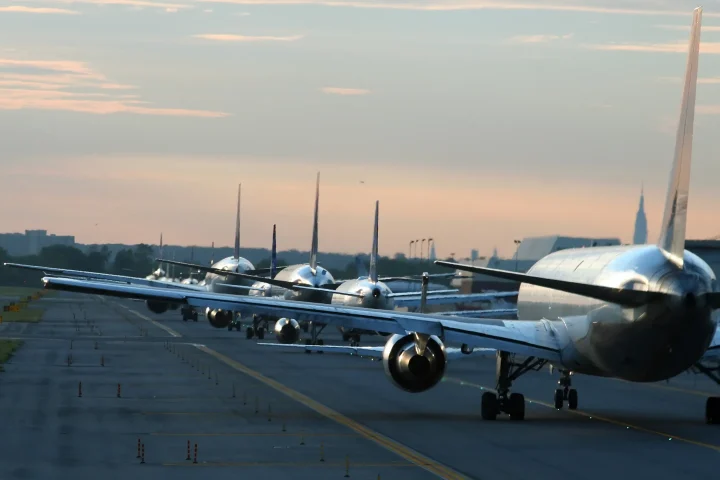
Experts expect Middle East outbound travel spending to surpass $60 billion by 2030. Residents currently increase their overseas travel at a steady six percent annual growth rate. This forecast reflects better air connectivity and significant infrastructure investment. Furthermore, it highlights a rising demand for global leisure experiences among regional travelers.
According to the latest ATM Travel Trends Report, this growth fuels international interest in the Arabian Travel Market (ATM) 2026. The event will take place at the Dubai World Trade Centre from May 4 to May 7. Global exhibitors are already flocking to the event to engage with this expanding market.
Innovation at ATM 2026
The 33rd edition of the Arabian Travel Market adopts the theme “Travel 2040: Driving New Frontiers Through Innovation and Technology.” Consequently, the event will prioritize travel technology, sustainability, and ultra-luxury experiences.
Organizers anticipate a ten percent increase in exhibition space this year. Participation is rising across Africa, Asia, Europe, and the Americas. Industry leaders now view the Middle East as a critical source market rather than just a destination.
Egypt and Morocco: Regional Powerhouses
Egypt continues to attract Middle Eastern travelers with high-profile projects. Projections show outbound leisure nights in Egypt will rise by 20 percent by 2030. Key developments like the Grand Egyptian Museum and New Alamein City reinforce this strategy. At ATM 2026, Egyptian authorities will showcase luxury and coastal offerings to regional visitors.
Similarly, Morocco is positioning itself as a global hub. The country will co-host the 2030 FIFA World Cup and has announced major rail expansions. Morocco has also added dozens of new international flight routes over the last two years. Their presence at ATM 2026 will focus on increasing hotel capacity and attracting new investment.
Türkiye and China Expand Their Reach
Türkiye remains a top choice for Middle Eastern tourists. Its cultural appeal and strong airline connectivity continue to drive growth. At the upcoming event, Turkish exhibitors will target Gulf travelers with long-term leisure packages.
Meanwhile, China is staging a significant tourism comeback. The country is currently strengthening links with the Middle East through visa-free access. Chinese authorities aim to improve visitor experiences and promote deeper cultural exchange.
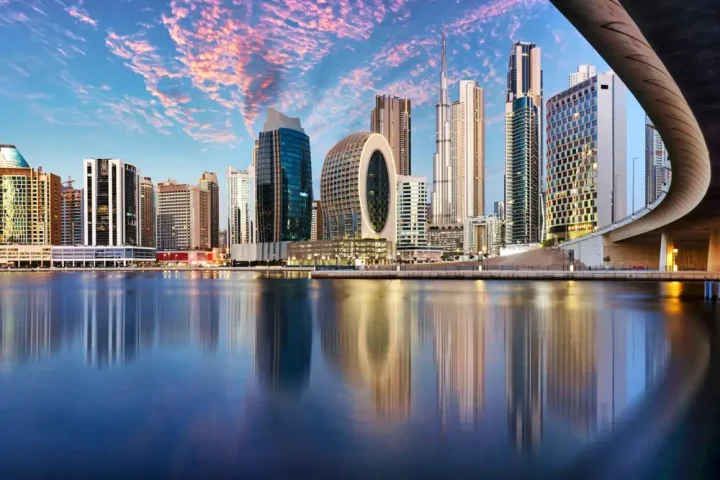
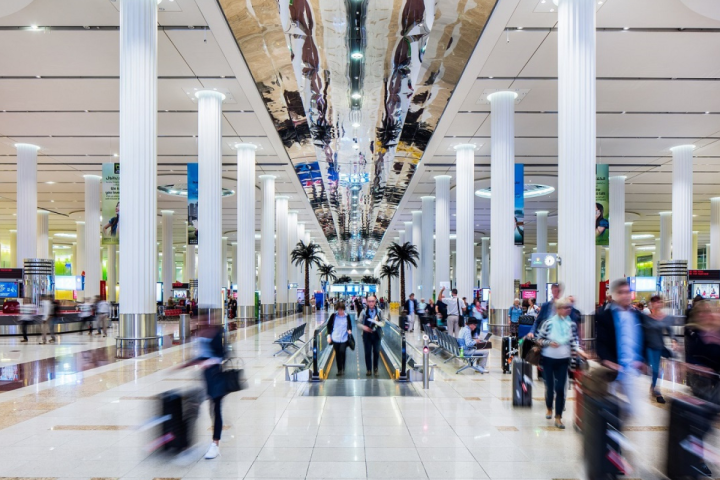
As spending rises, Dubai reinforces its role as a central tourism gateway. The city now connects travelers to more than 270 global destinations. It serves as a vital hub for both outbound and inbound tourism across several continents.
ATM 2026 will highlight industry innovations through dedicated luxury and technology segments. These insights will help the sector evolve to meet the needs of modern travelers. Ultimately, the Middle East’s outbound market will play a major role in shaping the future of global tourism.