In a striking display of public dissent, hundreds of Palestinians took to the streets of Beit Lahia in northern Gaza, staging the largest anti-Hamas protest since the Israel-Gaza war reignited. Chanting slogans like “Out, out, Hamas out!”, demonstrators voiced their fury over Hamas’s rule and the devastation caused by ongoing conflict.
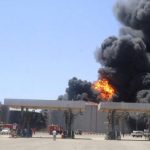
The protest erupted just a day after Islamic Jihad militants launched rockets into Israel, triggering a retaliatory evacuation order from Israeli forces that inflamed local frustrations. With Gaza already reeling from resumed Israeli airstrikes and a shattered humanitarian situation, emotions hit a boiling point.
Videos widely shared online show angry residents marching, calling for an end to what they see as Hamas’s reckless leadership. Many demanded the group relinquish control, blaming it for deepening Gaza’s suffering.
Armed and masked Hamas militants quickly descended on the protest, using batons and guns to disperse the crowd. Several demonstrators were reportedly beaten, adding to outrage.
Despite this, Gazans like Mohammed Diab, who lost his home and brother in the war, remained defiant. “We refuse to die for anyone’s agenda or foreign interests,” he said. “Hamas must step down and hear the voice of the grieving – that is the most honest voice.”
Another protester posted on Facebook: “What exactly is Hamas betting on? Our blood? We’re just numbers to them. Step down and let us heal.”
This public outcry reflects a growing trend of disillusionment within Gaza. While Hamas still commands loyalty among parts of the population, frustration has become harder to silence—both in the streets and online.
Hamas, in power since 2007 after a violent takeover, has yet to issue a statement. Pro-Hamas voices dismissed the protestors as traitors, downplaying its significance.
But the discontent is impossible to ignore. Since the conflict resumed on March 18, more than 50,000 Palestinians have died, according to the Hamas-run health ministry. With most of Gaza’s 2.1 million people displaced and 70% of infrastructure damaged or destroyed, daily life has become unlivable.
As the war continues, so does the growing call for accountability from within Gaza itself. The once-unspoken criticisms of Hamas are now echoing loudly through the ruins, signaling a pivotal shift in public sentiment.