The Israel-Gaza war has taken a deadly new turn, with Hamas launching rockets at Tel Aviv for the first time since Israel resumed its military offensive. While one missile was intercepted, the others reportedly landed in uninhabited areas. The escalation comes just days after Israeli ground troops re-entered Gaza, reigniting a campaign that had paused under a fragile ceasefire.
According to Gaza’s Hamas-run health ministry, over 591 people, including more than 200 children, have been killed since hostilities resumed.
Israel’s Renewed Ground Assault
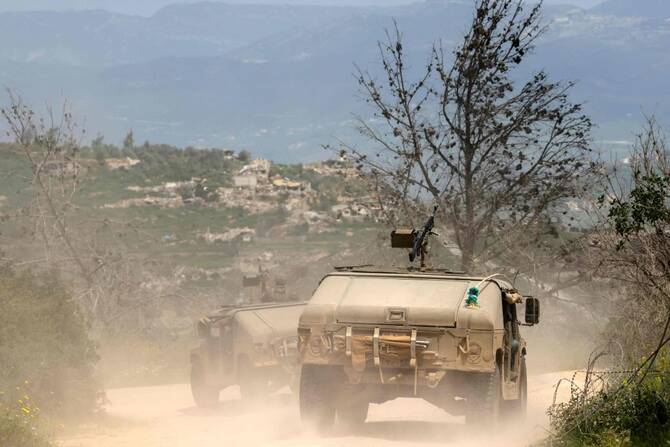
The Israel Defense Forces (IDF) confirmed a fresh ground operation began Thursday, with troops advancing into Rafah near the Egyptian border and into central and northern Gaza. The IDF said its forces dismantled Hamas infrastructure, aiming to establish a “partial buffer zone” dividing Gaza into north and south through the Netzarim Corridor.
Despite months of limited combat since January’s ceasefire, Israeli forces have intensified their campaign, blaming Hamas for stalling hostage negotiations and rejecting U.S.-mediated proposals.
“Hamas forced this escalation,” said Israeli government spokesperson David Mencer, emphasizing that Hamas had rejected “every hostage deal.” Israel maintains that 59 hostages are still held by Hamas, including at least 24 believed to be alive.
Civilian Toll and Humanitarian Collapse
The violence has taken a heavy toll on civilians and aid workers. Five UNRWA employees—teachers, doctors, and nurses—were killed in recent airstrikes, according to the UN’s agency for Palestinian refugees. In central Gaza, a UN compound was also hit, killing one staff member and injuring others. The IDF denied targeting the facility but said it was under investigation.
At Nasser Hospital in Khan Younis, devastating personal stories are emerging. A grieving father recounted losing his only son, Omar, a toddler born via IVF, in a nearby bombing.
Dr. Tanya Haj Hassan, working on the ground, described the situation as “a level of horror… like Armageddon,” revealing dozens had died before reaching emergency care.
Political Fallout and International Response
U.S. President Donald Trump reaffirmed his full backing of Israel’s actions, while the U.K. confirmed that a British national was injured during the strikes. Meanwhile, hostages’ families protested across Tel Aviv and Jerusalem, accusing Israeli leaders of prioritizing military operations over the safe return of their loved ones.
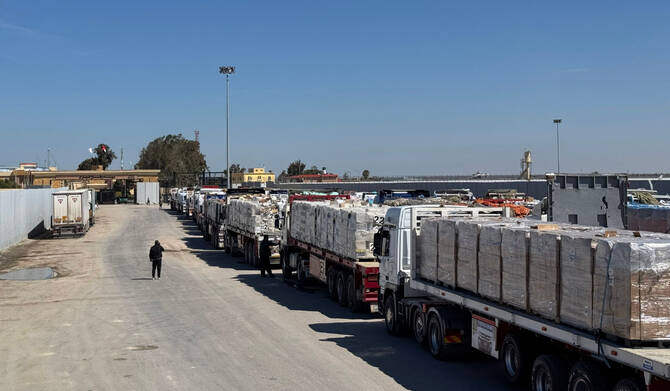
The resumption of violence has reignited criticism over Israel’s blockade of humanitarian aid. While Israel accused Hamas of hijacking supplies, it provided no public evidence to support the claim.
Houthi Missile Intercepted
Adding to regional tensions, Yemen’s Houthi rebels, backed by Iran, fired a ballistic missile toward Ben Gurion Airport near Tel Aviv. The Israeli military said the missile was intercepted before impact.
Background of the War
The war began on 7 October 2023, when Hamas attacked Israel, killing around 1,200 people and taking 251 hostages. In response, Israel launched a full-scale offensive in Gaza. As of now, over 48,500 Palestinians—mostly civilians—have been killed, and much of Gaza’s infrastructure has been destroyed.
Israel’s Prime Minister Benjamin Netanyahu declared combat had resumed “in full force,” stating future negotiations would only occur “under fire.”