Thousands Flee Rafah as Israel Resumes Military Offensive in Southern Gaza
A new wave of panic has gripped southern Gaza as Israel issued a mass evacuation order for Rafah and parts of Khan Younis, triggering the largest civilian exodus since the latest ceasefire broke down. Displaced families are once again on the move—many on foot—heading toward the al-Mawasi humanitarian zone with little more than what they can carry.
The Israeli military says the operation aims to dismantle remaining militant infrastructure, warning of imminent “intense operations” targeting what it calls terrorist organizations. However, humanitarian agencies and the United Nations have raised alarms, saying the evacuations fail to meet international legal standards, particularly due to the lack of shelter, food, and medical care for the fleeing civilians.
Many of those now fleeing had just returned home during the recent two-month ceasefire, only to be uprooted again. Haifa Duhair, a mother of four from Rafah, shared her distress: “We went back even though our house was shattered. My daughter was born in a tent. Now we’re forced out again with no transport and no clear destination.”
Israel justifies the renewed campaign as a necessary move to neutralize Hamas fighters allegedly hiding among civilians and using them as human shields. But the toll is staggering. Since Israel resumed its air and ground operations on March 18, over 1,000 Palestinians have been killed, according to Gaza’s health ministry, which is run by Hamas.
Airstrikes continue across the strip, with recent attacks in Gaza City’s Tuffah neighborhood killing eight people, including children. In the north and center of Gaza, the Israeli military reports having uncovered and destroyed a 1km-long Hamas tunnel and claims to have killed over 50 militants.
The war was reignited after Hamas rejected a new U.S.-backed ceasefire proposal, according to Israeli officials. Hamas, however, accuses Israel of violating the original January truce.
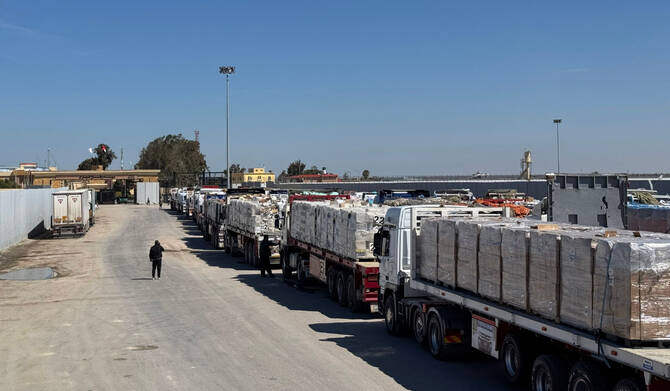
With over 50,000 Palestinians killed since the war began on October 7, 2023, and essential supplies like food and medicine running dangerously low, the humanitarian crisis deepens by the hour. The UN warns that 2.1 million people are now at risk of catastrophic conditions, as aid deliveries remain blocked.
As thousands flee yet again, the question remains: how long can civilians survive the crossfire of political deadlock and relentless military operations?