US and Iran nuclear talks in Oman have been described by both sides as “constructive,” offering a glimmer of hope for renewed cooperation on nuclear non-proliferation. The discussions, held in Muscat under the mediation of Oman’s Foreign Minister Sayyid Badr al-Busaidi, marked the highest-level engagement between the two nations since 2018.
The meeting brought together US special envoy Steve Witkoff and Iranian Foreign Minister Abbas Araghchi. While direct exchanges were limited, mediated discussions addressed Iran’s nuclear enrichment activities, international inspections, and pathways for potential sanctions relief.
What Prompted the Oman Talks?
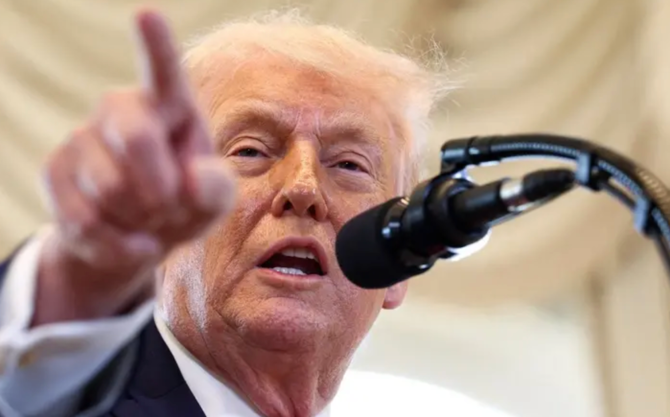
After years of rising tensions, the US and Iran returned to the table following growing international concern over Iran’s expanded uranium enrichment. Since the US withdrawal from the 2015 Joint Comprehensive Plan of Action (JCPOA) under former President Donald Trump, Tehran has advanced its nuclear program well beyond the agreement’s limits.
The Biden administration, under pressure from allies and arms control experts, views dialogue as essential to preventing Iran from acquiring a nuclear weapon. Oman, known for its neutral diplomacy in the region, facilitated the meeting to break the long-standing stalemate.
Key Issues Discussed During the Talks
While details remain limited, the US and Iran nuclear talks in Oman reportedly touched on the following topics:
- Iran’s uranium enrichment exceeding 60% purity
- Resumption of IAEA (International Atomic Energy Agency) inspections
- Potential phased relief of economic sanctions
- The release of detained foreign nationals
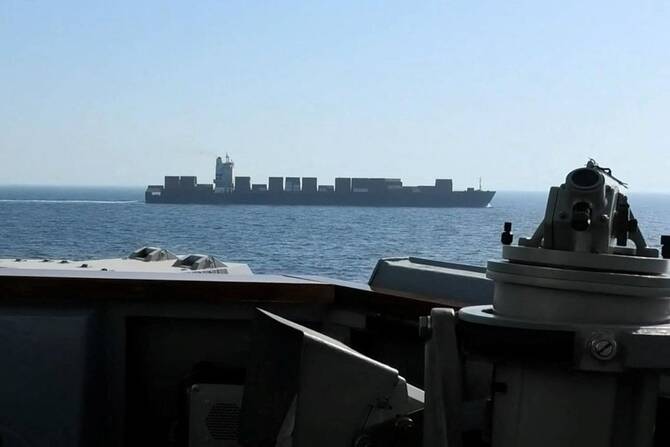
- De-escalation measures in the Red Sea and Iraq-Syria corridors
Sources familiar with the negotiations say Iran is seeking a partial lifting of oil and banking sanctions in exchange for renewed nuclear transparency.
Why These Talks Matter
The diplomatic engagement signals a cautious but meaningful shift in US-Iran relations. Unlike past attempts, the Oman talks occurred amid intense regional instability, including conflicts in Gaza and heightened US military presence in the Gulf. The constructive tone offers a potential roadmap for preventing conflict escalation.
Global powers, including the EU and China, have welcomed the development. Experts believe that while a full return to the JCPOA may be unlikely, a “mini-deal” focusing on capping Iran’s nuclear activity could be within reach.
Next Steps and Diplomatic Outlook
A second round of talks is expected in the coming weeks, with technical teams from both sides set to explore detailed proposals. Oman will continue its role as an intermediary, with broader regional players—like Saudi Arabia and the UAE—keeping a close watch on developments.
Although both parties downplayed expectations, the US and Iran nuclear talks in Oman mark a diplomatic opening at a time when renewed dialogue is sorely needed. US officials have emphasized that diplomacy remains the preferred path but are prepared to apply pressure if Iran fails to cooperate.
Fragile Progress in a Tense Region
The constructive start to the US and Iran nuclear talks in Oman could represent the beginning of a cautious diplomatic thaw. While significant challenges remain, the talks offer a rare moment of optimism in an otherwise volatile geopolitical landscape.
Whether these conversations lead to tangible outcomes depends on the political will, mutual concessions, and sustained engagement from both sides.