US Confirms Controversial Private Aid Delivery Plan for Gaza as UN Withdraws Support
The United States has confirmed a new aid distribution model for Gaza, utilizing private firms and NGOs to bypass traditional UN humanitarian channels. The plan has drawn sharp criticism from international aid agencies who warn that it could undermine humanitarian principles and worsen conditions for civilians.
Aid Without the UN
US Ambassador to Israel Mike Huckabee announced that the US-backed system would establish “distribution centres” in Gaza operated by private contractors and shielded by security personnel, aiming to serve over 1.2 million Palestinians initially. The system is being coordinated through a newly registered organization called the Gaza Humanitarian Foundation (GHF).
Despite rising concern, Huckabee emphasized that Israel would not be involved in aid distribution, although its forces would guard the perimeters of the centres.
“President Trump wants aid to reach the people of Gaza urgently. This model is our solution,” Huckabee told reporters in Jerusalem.
The plan has been positioned as a workaround to prevent Hamas from intercepting aid, a claim repeatedly made by Israeli and American officials.
UN Opts Out Over Humanitarian Principles
The United Nations Office for the Coordination of Humanitarian Affairs (OCHA), along with other agencies, has publicly refused to participate, arguing the model is incompatible with core humanitarian standards.
“There is no reason to implement a system that goes against the DNA of any principled humanitarian organisation,” said OCHA’s spokesperson Jens Laerke.
Critics argue that this strategy may “weaponize aid”, especially as it appears to use humanitarian access as leverage to relocate civilians from north to south Gaza. Aid groups say the setup risks excluding the most vulnerable—children, the elderly, and the sick—who cannot travel to militarized delivery zones.
Humanitarian Crisis Deepens
Conditions in Gaza have deteriorated rapidly amid Israel’s complete blockade since March, leaving the 2.1 million residents facing starvation. According to UN reports:
- One-third of community kitchens have shut down due to lack of fuel and food.
- The price of flour has soared to $415 for a 25kg bag in Gaza City.
- Over 60,000 children require urgent treatment for acute malnutrition.
The collapse of World Central Kitchen’s final field sites this week highlighted the growing desperation, with displaced civilians like Umm Ahmed in Jabalia saying, “The takia [community kitchen] is our last source of food. We don’t have money to evacuate.”
What GHF Promises
A 14-page document obtained by the BBC outlines GHF’s plan to operate four main distribution hubs for food, water, and hygiene supplies. The NGO claims it will uphold the values of neutrality, impartiality, and independence while operating under tight audits and independent supervision.
Its proposed board includes former heads from World Central Kitchen and the UN’s World Food Programme, though some appointments are yet to be confirmed.
Military Presence and International Fallout
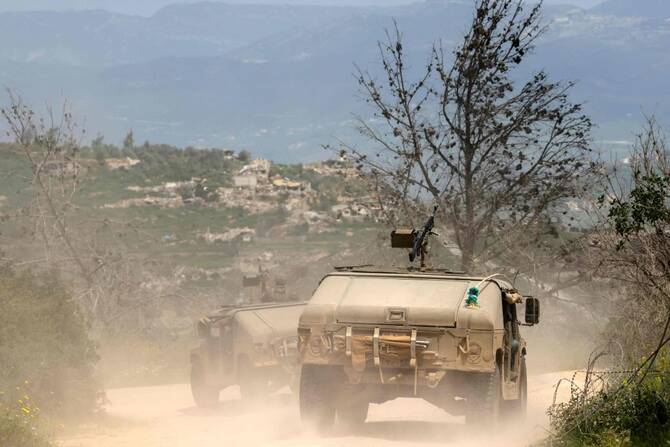
Though Israel will not run the aid system, it is reportedly already setting up distribution zones in Rafah, where security-cleared family representatives will collect aid on foot. Reports estimate each family will need 70kg of aid per week, which is far more than the 60 truckloads/day the plan currently outlines—a fraction of pre-war volumes.
European members of the UN Security Council have called an emergency session to address the situation, with the UK condemning Israel’s blockade as “inexcusable.”
“Humanitarian principles must be upheld in every conflict,” said UK Middle East Minister Hamish Falconer, warning that the new plan may set a dangerous precedent.
A Deepening Divide
UNICEF and other agencies argue the plan will lead to greater harm, warning it risks turning aid into a tool of coercion. Aid groups have thousands of tonnes of supplies waiting at the border—ready to move, if only Israel opens the crossings.
Analysts say the new delivery scheme could compromise the neutrality of humanitarian operations globally, as well as deepen the existing rift between donor states and traditional aid institutions.
With the humanitarian system at breaking point, the people of Gaza remain trapped—caught between military strategy, political maneuvering, and a looming famine.