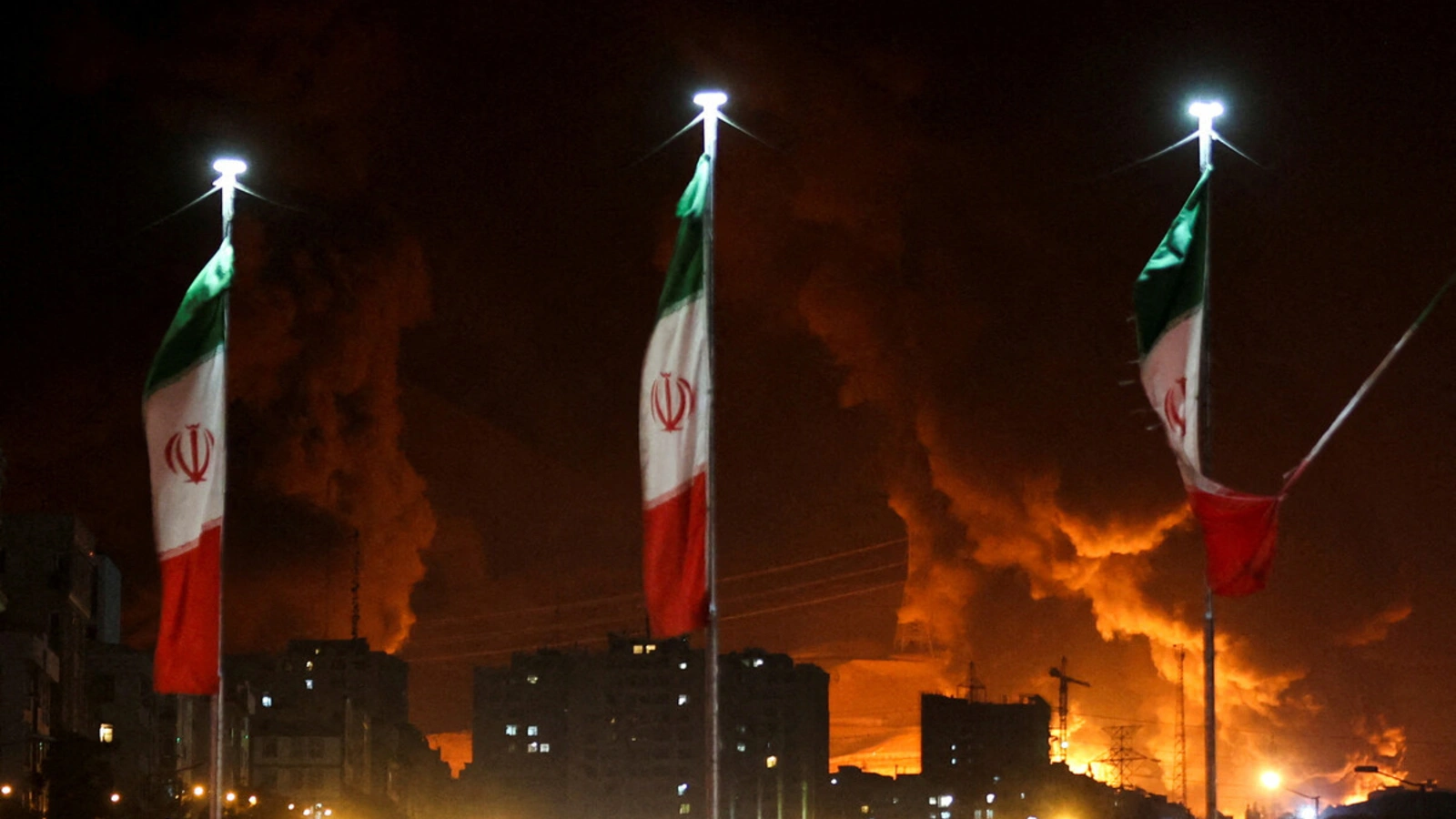
The Iran nuclear strike that took place on June 21, 2025, has upended years of diplomacy and redrawn the strategic map of the Middle East. In the span of a single night, the United States carried out a precision bombing campaign targeting Iran’s top-secret nuclear facilities, shaking the region to its core and leaving the international community scrambling for answers.
From Silent Threats to Sonic Booms
For over two decades, the Iran nuclear strike had been the subject of warnings, intelligence reports, and geopolitical brinkmanship. Since the early 2000s, Iran’s nuclear ambitions have triggered widespread concern, monitored closely by the IAEA, Western intelligence, and Israeli cyber units. Presidents from George W. Bush to Joe Biden issued red lines, yet diplomacy prevailed—until now.
The 2015 Joint Comprehensive Plan of Action (JCPOA) once seemed to offer hope. But its collapse in 2018 opened the door to today’s escalatory crisis. The strike launched by the United States has not only demolished key Iranian infrastructure but also redefined the global balance of power.
The Strike That Changed Everything
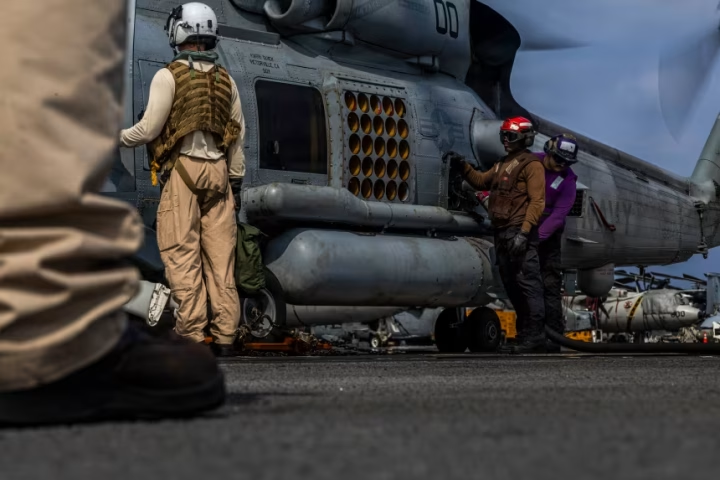
In the most extensive U.S. operation in the region since the Iraq War, seven B-2 Spirit stealth bombers accompanied by more than 125 support aircraft penetrated Iranian airspace. They struck Natanz, Fordow, and Isfahan—three nuclear sites believed to be central to Iran’s uranium enrichment program.
“This was a focused mission on nuclear capabilities,” said U.S. Defense Secretary Pete Hegseth. “We believe Fordow has been severely damaged, possibly neutralized.”
The Iran nuclear strike was executed with surgical precision, targeting facilities fortified under mountains and shielded by Iran’s best air defenses. The world watched as shockwaves rippled across capitals and markets alike.
Why Fordow, Natanz, and Isfahan?
Fordow: Deep Underground, Now Exposed
Built beneath 300 feet of rock, Fordow was once considered impenetrable. The facility hosted high-grade centrifuges and enriched uranium. U.S. officials now believe the strike compromised its core infrastructure.
Natanz: Symbol of Resilience
Natanz, Iran’s largest enrichment site, has endured sabotage before. Yet this Iran nuclear strike targeted newer centrifuge halls and reportedly destroyed a substantial portion of the site.
Isfahan: The Silent Workhorse
The Isfahan facility handled uranium conversion—crucial in the nuclear fuel cycle. Analysts suggest its destruction could delay Iran’s nuclear ambitions by several years.
Iran’s Immediate Counterstrike
Iran’s response came swiftly. Within hours, drones and short-range missiles targeted Israeli installations, including a controversial “Biological Institute.” Tehran’s message was clear: retaliation will be ongoing and unpredictable.
President Masoud Pezeshkian declared:
“Washington has revealed its hand… The people of Iran will not kneel. We will not forget, and we will not forgive.”
Global Reactions and Diplomatic Shockwaves
Western Allies Reconsider Their Stance
- French President Macron urged for “immediate diplomatic resumption.”
- The U.K. prepared for evacuations from high-risk regions.
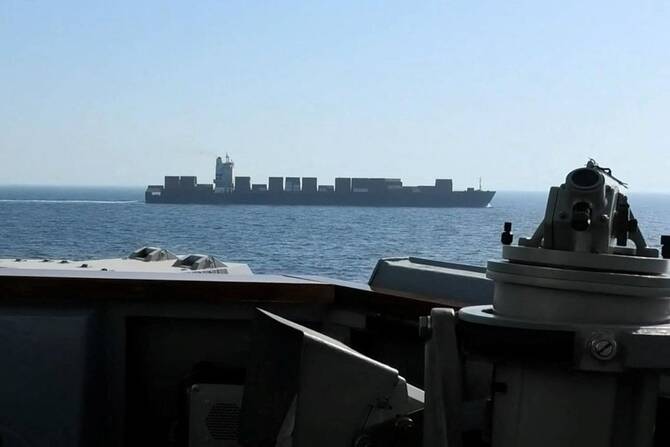
- Oil prices surged 12% as fears grew over Iran’s control of the Strait of Hormuz, a critical artery for global oil trade.
Allies Waver Amid Strategic Shock
While JD Vance insisted, “We’re not at war with Iran—just its nuclear program,” critics highlighted the dangerous contradiction. Bombing sovereign infrastructure without war declaration is controversial, even if the intent is to stop nuclear escalation.
Legal and Political Fallout in the U.S.
Some legal scholars argue that President Trump may have overstepped constitutional limits.
“Such an attack without Congressional approval could trigger a constitutional crisis,” warned analyst Samuel Losada.
Others, like retired General Avi Mizrachi, defended the move:
“Trump may have prevented a nuclear war. No other leader dared do it.”
The Countdown to Consequences
The Iran nuclear strike might set back Iran’s program, but it also risks spurring Tehran toward rapid nuclear weaponization, abandoning all pretense of cooperation with the IAEA.
Key questions remain:
- Will the U.S. follow up with more military action?
- How will Israel react to future provocations?
- Could Russia and China intervene to protect their interests?
The Strategic Earthquake the World Must Navigate
This was not just a military strike; it was a strategic earthquake that exposed the fragility of deterrence-based diplomacy. The Iran nuclear strike thrusts the world into a new era where kinetic force replaces cautious negotiations.
As global leaders scramble to prevent further escalation, diplomacy must rise once again—before deterrence gives way to disaster.
Because the next target may not be a reactor—it may be a city.