At least 35 people were killed in Israeli strikes on Houthi-controlled areas in Yemen, according to the Iran-backed group’s health ministry. The strikes, which targeted Sanaa and al-Jawf province, mark the latest escalation in a conflict that has drawn regional and international attention.
The Israel Defense Forces (IDF) said their air campaign focused on military installations, including camps, a fuel storage facility, and what it described as the Houthis’ “military public relations headquarters.” Israeli officials justified the strikes as a response to ongoing missile and drone attacks on Israeli territory, which have involved hundreds of unmanned aerial vehicles and surface-to-surface missiles over the past two years.
Houthi officials, however, said the air strikes primarily hit civilian locations, including medical stations, newspaper offices, and government buildings, resulting in extensive casualties and property damage. Videos posted online showed thick plumes of black smoke rising over Sanaa, as emergency teams combed through the rubble searching for survivors.
Dr. Anees al-Asbahi, a spokesperson for the Houthi health ministry, confirmed that 28 people were killed and 113 injured in Sanaa, with an additional seven killed and 18 injured in al-Jawf. He warned that the death toll could rise as rescue teams continued to locate victims trapped under debris.
Houthi military spokesman Yahya Sarea condemned the strikes, asserting that Israeli forces targeted civilian areas and denying that key missile launch sites were affected. The Houthis vowed retaliation, with Mahdi al-Mashat, head of Yemen’s Houthi Supreme Political Council, declaring that the attack provided an opportunity for a strong counter-response.
Israeli Prime Minister Benjamin Netanyahu defended the operation, stating that the strikes eliminated key members of the Houthi government responsible for attacks on Israel. He emphasized that Israel would continue to respond to threats and protect its territory from future missile and drone incursions.
The escalation follows last month’s Israeli strike in Sanaa, which killed the Houthi prime minister, Ahmed al-Rahawi, and several senior ministers. The Houthis have maintained control over much of north-western Yemen since ousting the internationally recognized government a decade ago, sparking a civil war.
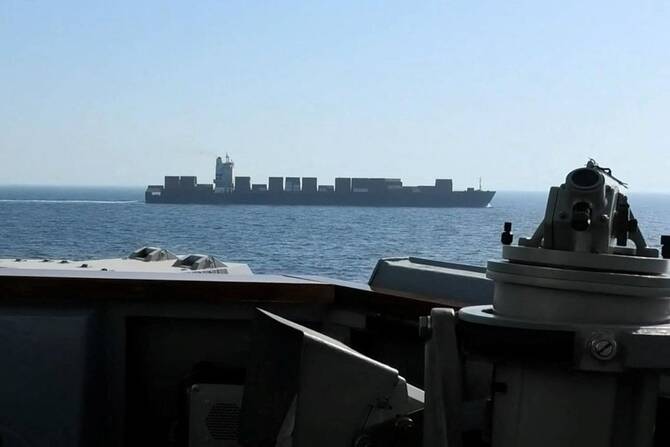
The conflict has drawn broader regional attention, as Houthi forces have targeted Israel and international shipping in the Red Sea and Gulf of Aden in solidarity with Palestinians in Gaza. The US and UK have also carried out air strikes against Houthi positions in response to attacks on commercial vessels.
As the situation evolves, international observers warn that civilian casualties and infrastructure damage may continue, exacerbating Yemen’s ongoing humanitarian crisis.