Gaza Ceasefire Deal Brings Hope but Uncertainty Remains
The newly announced Gaza ceasefire deal between Israel and Hamas has been hailed as a significant breakthrough following months of stalled diplomacy and devastating conflict. Brokered through intense negotiations in Egypt with direct involvement from U.S. President Donald Trump, the agreement marks the first real step toward ending the two-year war that has killed tens of thousands.
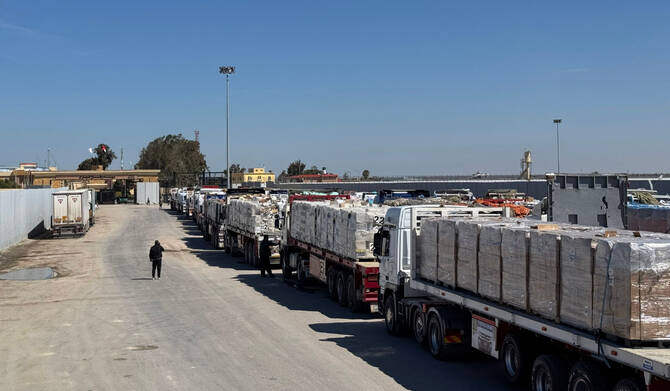
While the deal includes the release of hostages and Palestinian prisoners, as well as a partial Israeli withdrawal from Gaza, experts warn that it does not guarantee lasting peace. The agreement represents only the initial phase of Trump’s broader 20-point plan for the region.
Trump’s hands-on approach, including reported pressure on both Hamas and Israeli Prime Minister Benjamin Netanyahu, helped secure the deal after earlier negotiations faltered. For Trump, the timing is politically symbolic — coming just days before the announcement of the Nobel Peace Prize, which he has openly expressed hopes of winning.
War Casualties and Humanitarian Crisis
The Gaza ceasefire deal follows one of the deadliest wars in recent Middle Eastern history. The conflict erupted after Hamas’s 7 October 2023 attack on Israel, which left around 1,200 Israelis dead and 251 taken hostage. In response, Israel launched a massive military campaign that has killed over 67,000 Palestinians, including more than 18,000 children, according to Gaza’s health ministry — figures considered credible by the UN.
Most of Gaza lies in ruins, with severe shortages of food, water, and medicine fueling a catastrophic humanitarian crisis. Israel’s government has faced international criticism for the scale of civilian deaths, while Netanyahu maintains that the campaign was necessary for “total victory” against Hamas.
Challenges Ahead for Lasting Peace
Despite widespread celebrations in Gaza and Tel Aviv, the Gaza ceasefire deal leaves many unanswered questions. Key issues — including Hamas’s disarmament, Israel’s withdrawal terms, and the governance of post-war Gaza — are yet to be finalized.
Trump’s plan envisions further negotiations involving Egypt, Qatar, and Turkey, as well as the establishment of a transitional government to oversee reconstruction. However, mistrust remains high. Hamas fears Israel will resume attacks once hostages are released, recalling a similar ceasefire collapse earlier this year.
In Israel, growing public fatigue with the war and international isolation have pushed leaders toward compromise. Yet Netanyahu faces political resistance from ultranationalist coalition members threatening to resign if concessions go too far.
While this Gaza ceasefire deal offers renewed hope, its success depends on mutual restraint, sustained diplomacy, and the willingness of both sides to finally break the cycle of war.