Israeli Prime Minister Benjamin Netanyahu convened his ruling coalition on Sunday. This urgent meeting followed his office’s formal objection to a new Gaza advisory panel. The White House created this “Gaza Executive Board” last week. The board will advise a broader “Board of Peace” chaired by President Donald Trump. However, the panel’s membership includes Turkish Foreign Minister Hakan Fidan. This inclusion prompted a swift diplomatic protest from Jerusalem.
Netanyahu’s office criticized the move late Saturday. They stated the announcement “was not coordinated with Israel.” The statement also said the panel “runs contrary to its policy.” Consequently, Netanyahu instructed Foreign Minister Israel Katz to contact U.S. Secretary of State Mike Pompeo. The objection clearly targets Turkey’s role. Relations between Israel and Turkey have worsened since the Gaza war began in October 2023.
Coalition Addresses Gaza Advisory Panel Dispute
The Sunday meeting included all ruling coalition factions. A Likud party spokesman confirmed the gathering. The fragile coalition includes far-right parties like Bezalel Smotrich’s Religious Zionist Party. It also includes Itamar Ben Gvir’s Otzma Yehudit party. These ministers strongly oppose Palestinian autonomy. They also reject international involvement that might weaken Israeli security. The uncoordinated panel formation challenged the government’s unified stance.
Reports say the meeting examined the board’s composition. Leaders also planned a coordinated Israeli response. The White House plan has three parts. First, a Board of Peace chaired by Trump. Second, a Palestinian technocrat committee to govern Gaza. Third, the advisory Gaza Executive Board. Qatar’s Ali Al-Thawadi also sits on the advisory board. His presence, plus Turkey’s, angered the Israeli government. Trump also invited Turkish President Erdogan to join the main Board of Peace.
Turkey’s Role Sparks Major Tension
Israel’s objection centers on Turkey’s potential influence. Turkish leaders have fiercely criticized Israel’s military campaign. President Erdogan frequently accuses Israel of genocide. He also hosts Hamas political leaders in Istanbul. This rhetoric has soured bilateral relations. Israeli officials argue Turkey cannot act neutrally. They say Ankara supports Hamas too openly. Allowing Turkey a formal advisory role contradicts Israel’s core war aims. Those aims include dismantling Hamas’s power.
Meanwhile, the U.S. says the Gaza truce plan now enters a second phase. This phase shifts focus to Hamas disarmament. This transition makes governance plans critical. A separate Palestinian technocratic committee met in Cairo on Saturday. These overlapping developments create a complex diplomatic picture. For Israel’s coalition, the unvetted Gaza advisory panel represents a serious breach of trust with Washington.
Read Also
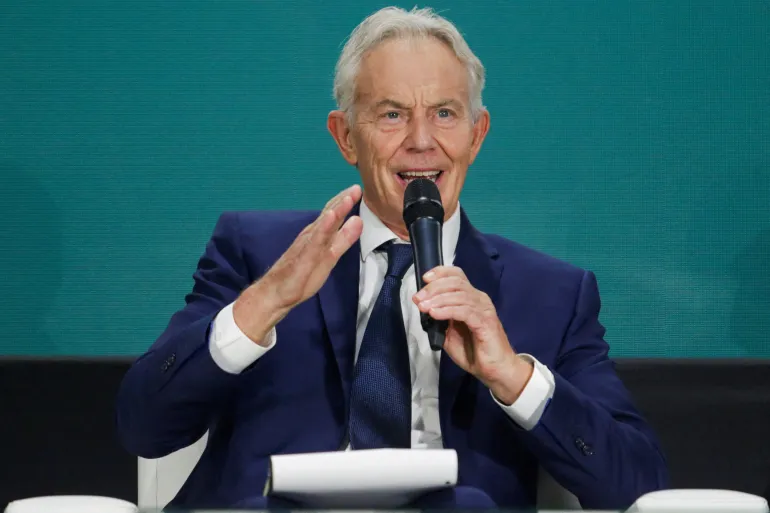
Trump Appoints Tony Blair and Jared Kushner to Gaza ‘Board of Peace’
Incident Tests US-Israel Coordination
This dispute questions coordination between the U.S. and Israel. The lack of prior consultation suggests a diverging approach. Netanyahu must manage both the diplomatic slight and his coalition’s reaction. His far-right partners threaten to collapse the government over Gaza concessions. Any unapproved international arrangement poses a major domestic political risk. The urgent meeting aimed to present a united front.
The objection also reinforces Israel’s red lines for Gaza’s future. Israel accepts some regional partners, like Egypt. It does not accept partners aligned with Hamas. Turkey falls firmly into the unacceptable category. Israel likely wants the U.S. to reconsider the panel’s makeup. At minimum, Israel seeks guarantees that the panel’s advice will not bind Israeli policy. Katz’s talk with Pompeo will determine if this dispute grows.
Navigating Post-Conflict Diplomacy
The conflict now focuses on disarmament and governance. Diplomatic arrangements carry extremely high stakes. Israel’s unified objection marks its clear boundaries. Israel may accept U.S. frameworks in principle. Yet it will contest details conflicting with its core security needs. The Gaza advisory panel controversy is about more than membership. It concerns the basic principle of coordination. It also involves the substantive vision for Gaza’s future.
This event tests the U.S.-Israel partnership. The meeting’s aftermath will reveal any policy shift. The episode highlights the fragile link between international peace efforts and Israeli politics. Any sustainable Gaza plan requires meticulous coordination with Jerusalem. The new Gaza advisory panel has triggered a major diplomatic challenge. All parties must now navigate this challenge with great care.