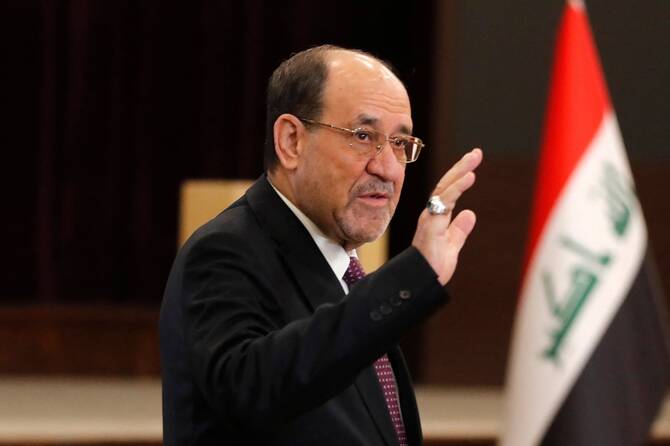
Secretary of State Marco Rubio issued a stark warning to Iraq concerning its deepening Iraq Iran ties during a critical diplomatic call. The warning comes as Iraq’s largest Shiite political bloc selected former Prime Minister Nouri al-Maliki as its candidate, positioning him for a return to power. In a telephone conversation with incumbent Prime Minister Mohammed Shia Al-Sudani, Rubio expressed hope for a future Iraqi government that promotes regional stability. However, he emphasized that a government controlled by Iran cannot successfully prioritize Iraq’s own interests. This direct statement underscores significant U.S. apprehension about Maliki’s pro-Tehran history and the broader trajectory of Iraq Iran ties. The U.S. holds considerable economic leverage, complicating the political calculus in Baghdad.
The Diplomatic Warning and U.S. Stance
According to State Department spokesman Tommy Pigott, Secretary Rubio was unequivocal in his message. He stated that a government dominated by Iranian influence could not keep Iraq out of regional conflicts or advance the U.S.-Iraq partnership. Rubio voiced hope that the next government would make Iraq “a force for stability, prosperity and security in the Middle East.” This diplomatic communication follows reports that U.S. officials conveyed a “negative view” of Maliki’s previous governments to Iraqi political sources. Furthermore, U.S. representatives sent a letter clarifying that while the prime minister selection is an Iraqi decision, Washington will make its own sovereign decisions aligned with American interests. The warning explicitly links the future of bilateral relations to the composition and orientation of Iraq’s next government.
Maliki’s Political Resurgence and Iranian Alignment
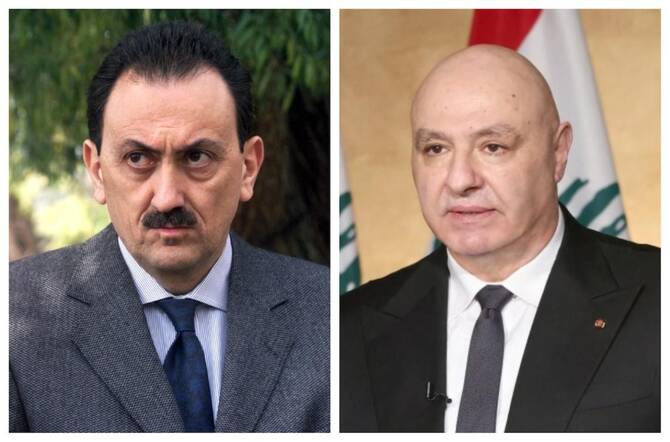
Nouri al-Maliki’s selection by the Coordination Framework, the largest Shiite coalition, marks a dramatic political comeback. Maliki, who served as prime minister from 2006 to 2014, initially enjoyed U.S. support for his stance against Sunni militants. However, Washington’s perspective shifted dramatically, believing his sectarian policies fueled the rise of the Islamic State. His tenure was also characterized by significantly strengthened Iraq Iran ties. His expected return is viewed as a potential major victory for Tehran, which has recently suffered regional setbacks. These setbacks include the fall of its ally Bashar al-Assad in Syria and heavy blows to its Lebanese proxy, Hezbollah. Consequently, a Maliki-led government would represent a strategic boon for Iran, reshaping the regional balance of power.
U.S. Leverage and Iraqi Economic Realities
The United States possesses substantial leverage over Iraq, primarily through control of its oil revenue. Since the 2003 invasion, Iraq’s oil export earnings have been held in an account at the Federal Reserve Bank of New York. This arrangement gives Washington powerful influence over Baghdad’s financial stability and economic policy. A key U.S. demand has been for Iraq to curb Iranian-backed Shiite militias, a task incumbent Prime Minister Sudani handled with delicate, U.S.-approved efforts. The potential shift under Maliki threatens this cooperation. The U.S. warning implies that a government seen as an Iranian proxy could face financial and diplomatic consequences. This economic reality forces Iraqi politicians to weigh domestic political alliances against the need for international financial solvency and access to global markets.
Regional Context and Security Implications
The warning on Iraq Iran ties occurs within a volatile regional context. Iran is grappling with domestic unrest after killing thousands of protestors since late December. Simultaneously, Israel has conducted strikes inside Iran and against Hezbollah following the October 2023 attacks. A pro-Iranian government in Baghdad could provide Tehran a crucial strategic depth and a platform for influence. Conversely, it risks drawing Iraq more directly into the ongoing shadow war between Iran and its adversaries. For the United States, a core security interest is preventing the resurgence of Shiite armed groups that could attack U.S. personnel or interests. The U.S. military maintains a presence in Iraq, making the government’s orientation a direct matter of force protection and regional strategy.
The Path Forward for Iraqi Politics
Iraq’s parliament is scheduled to meet to elect a new president, a largely ceremonial role that nevertheless holds the power to appoint the prime minister. This process will be the first concrete test of Maliki’s bloc’s strength and the resolve of other factions. Maliki’s critics, including Sunni and Kurdish groups, remember his previous tenure as divisive. The U.S. warning may empower these groups to seek alternative alliances. Prime Minister Sudani, who has maintained workable relations with both Washington and Tehran, represents a middle path that may now be under threat. The coming days will reveal whether Iraqi politicians form a government perceived as independent or one viewed as an extension of Iranian foreign policy. The outcome will determine the next chapter in complex Iraq Iran ties.
Secretary Rubio’s public warning marks a clear attempt to shape Iraqi politics from afar. It highlights the enduring and contentious U.S. role in Iraq’s sovereignty two decades after the invasion. The focus on Iraq Iran ties demonstrates that countering Iranian influence remains a paramount U.S. foreign policy objective in the Middle East. Maliki’s potential return challenges this objective directly. Consequently, Baghdad faces a difficult choice between accommodating powerful domestic and regional Iranian-backed factions and maintaining a functional partnership with the United States. The situation underscores the fragile nature of Iraqi governance and its central position in a region of competing powers. The formation of the next government will have immediate and profound consequences for regional stability and security.