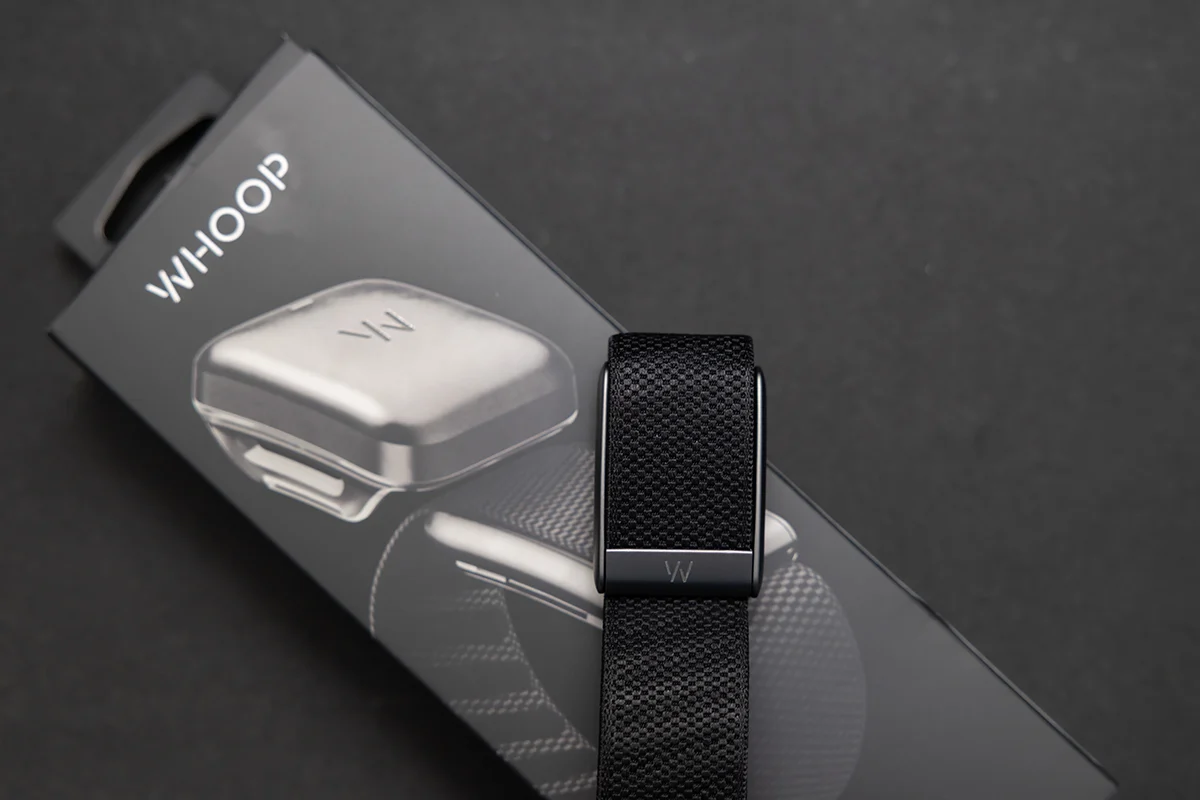
Whoop funding has surged to $575 million, marking a major milestone for the wearable health technology company as it accelerates global expansion. At the same time, strong participation from Gulf investors highlights the growing influence of the region in shaping next-generation health platforms.
The latest round values Whoop at $10.1 billion. Notably, investors include Collaborative Fund, alongside regional players such as Qatar Investment Authority and Mubadala Investment Company. As a result, the funding signals a clear shift toward deeper Gulf participation in global innovation sectors.
Moreover, the scale of Whoop funding reflects rising investor confidence in health technology. In particular, the company is positioning itself at the center of a transition toward preventive and personalized healthcare. Therefore, this investment supports both technological development and global expansion.
At the same time, the Gulf Cooperation Council region has emerged as a key strategic focus. According to founder and CEO Will Ahmed, the GCC represents one of the most forward-looking markets globally. Consequently, Whoop is expanding its local teams and increasing its retail presence across multiple countries in the region.
In addition, the company is building partnerships to integrate its platform into broader health and performance ecosystems. These collaborations aim to embed Whoop’s technology into everyday wellness routines. As a result, the company is strengthening its long-term presence in the region.
Importantly, Whoop funding will support expansion beyond the GCC. The company plans to grow across Europe, Latin America, and Asia. At the same time, it will invest in research and product development to enhance its core technology. Therefore, the funding serves both geographic and technological ambitions.
A key milestone in this expansion is the launch of Whoop Labs in Doha. This facility will become the company’s first international research and development hub. Consequently, it will support innovation while also strengthening ties within the region’s performance science ecosystem.
Furthermore, Whoop is rolling out new initiatives across the UAE and Qatar. These efforts aim to integrate its platform into local health and fitness networks. As a result, adoption of wearable health technologies is expected to increase significantly.
At its core, Whoop’s model relies on data-driven insights. The platform collects large-scale physiological data to guide daily decisions. For example, it provides recommendations on sleep, recovery, and training intensity. In addition, it helps users understand long-term health risks. Therefore, it moves healthcare toward prediction rather than reaction.
This approach aligns with a broader shift in global healthcare systems. Increasingly, technology focuses on prevention rather than treatment. As a result, companies like Whoop are redefining how individuals manage their health.
Moreover, Whoop funding highlights the growing role of artificial intelligence in healthcare. By combining continuous biometric monitoring with advanced analytics, the platform delivers personalized insights. Consequently, users can optimize both performance and well-being.
The funding round also attracted global attention due to high-profile participation. Notably, Cristiano Ronaldo joined as both an investor and global ambassador. He emphasized the importance of the platform in supporting long-term health. Therefore, his involvement strengthens the brand’s global visibility.
In addition, the presence of athletes and public figures reflects Whoop’s expanding influence. The platform now appeals not only to elite performers but also to mainstream users. As a result, it bridges the gap between professional sports and everyday wellness.
Meanwhile, the involvement of Gulf investors signals a broader economic trend. Increasingly, regional capital is moving beyond traditional sectors into technology and innovation. Therefore, Whoop funding represents more than a single investment. It reflects a strategic shift in how the region positions itself globally.
Looking ahead, the company aims to deepen its integration within health ecosystems. This includes partnerships with fitness centers, healthcare providers, and research institutions. Consequently, Whoop is building a comprehensive platform that extends beyond wearable devices.
Ultimately, Whoop funding marks a significant step in the evolution of health technology. It combines global ambition with regional momentum, while also advancing the shift toward personalized and preventive care. As a result, Whoop is positioning itself as a key player in the future of digital health.