UAE Energy Security remains stable despite rising regional tensions, as officials highlight the country’s diversified energy mix and strong infrastructure. Authorities say the UAE can meet all domestic energy needs even under pressure.
Suhail Al Mazrouei, Minister of Energy and Infrastructure, reassured citizens and businesses during a televised address. He stressed that the country has built a balanced energy system over the years. As a result, the UAE stands in a stronger position than many others in the region.
According to Al Mazrouei, the country’s strategy relies on multiple energy sources. These include peaceful nuclear energy, large-scale solar investments, and other supply channels. Therefore, this diversified approach strengthens UAE Energy Security and reduces reliance on a single source.
At the same time, he emphasised the government’s responsibility to maintain stability. He stated that authorities continue to ensure reliable access to energy for residents and businesses. In doing so, they aim to protect both economic activity and daily life.
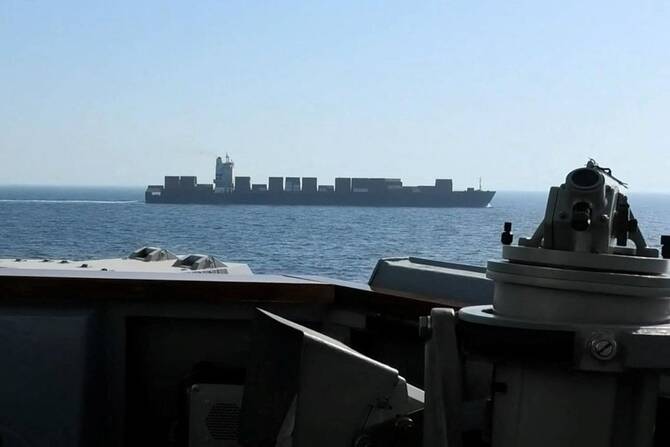
Meanwhile, regional tensions have placed global energy systems under strain. In particular, the situation around the Strait of Hormuz has raised concern. This critical waterway carries a significant share of the world’s oil supply. As a result, any disruption affects global markets.
Al Mazrouei strongly criticised Iran’s actions in the region. He argued that closing the strait harms the global economy, not just Gulf nations. Furthermore, he described the move as an act that disrupts international trade and energy flows. Consequently, such actions increase pressure on supply chains worldwide.
He also warned that disruptions in the strait carry immediate consequences. Every hour of blockage affects energy-importing countries. Therefore, global markets react quickly to such developments. This reality highlights the importance of maintaining open shipping routes.
In response, the UAE has taken an active role on the international stage. Officials continue to engage with global partners to support the reopening of the waterway. At the same time, the country participates in discussions within OPEC+. These talks aim to stabilise oil supply and maintain market balance.
However, ongoing disruptions complicate these efforts. Even with coordinated action, uncertainty in the Strait of Hormuz creates additional risks. As a result, supply chains remain under pressure, and energy markets stay volatile.
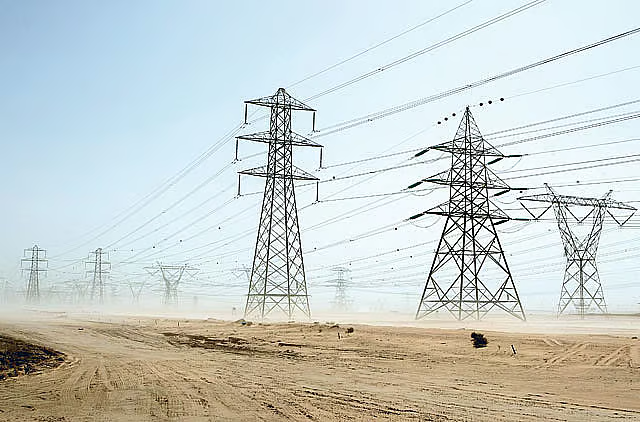
Despite these challenges, UAE Energy Security remains strong. The country’s infrastructure plays a key role in this resilience. Over the years, the UAE has invested heavily in energy systems and transport networks. Therefore, it can adapt quickly to changing conditions.
Al Mazrouei also highlighted the role of national institutions. In particular, he praised the UAE Armed Forces for maintaining readiness during uncertain times. Their preparedness reinforces confidence in the country’s ability to respond to crises.
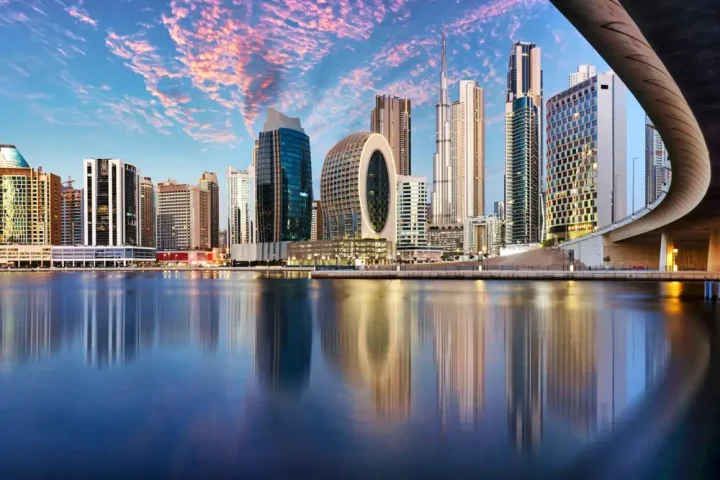
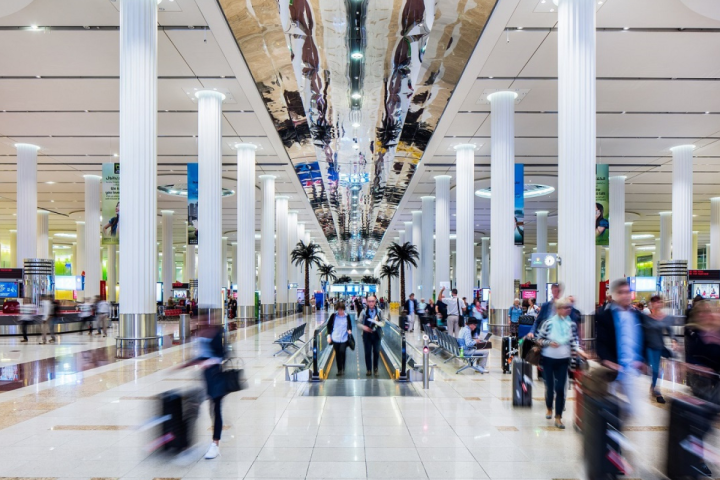
At the same time, the UAE continues to position itself as a stable hub in the region. Strong infrastructure, combined with long-term planning, supports this goal. As a result, businesses and residents benefit from consistent services even during regional instability.
Importantly, the government’s long-term vision underpins these achievements. Strategic investments in energy diversification have reduced exposure to external shocks. Consequently, the country can manage risks more effectively than many peers.
The broader message remains clear. UAE Energy Security depends on preparation, diversification, and coordination. By building a balanced system, the country has created a buffer against global disruptions.
Looking ahead, the UAE will likely continue strengthening its energy framework. At the same time, it will engage with international partners to maintain stability in global markets. Therefore, its approach combines domestic resilience with global cooperation.
Ultimately, the current situation highlights the value of long-term planning. Countries that invest in diverse energy sources and strong infrastructure can better withstand shocks. In this context, the UAE presents a model of how to navigate uncertainty while maintaining stability.