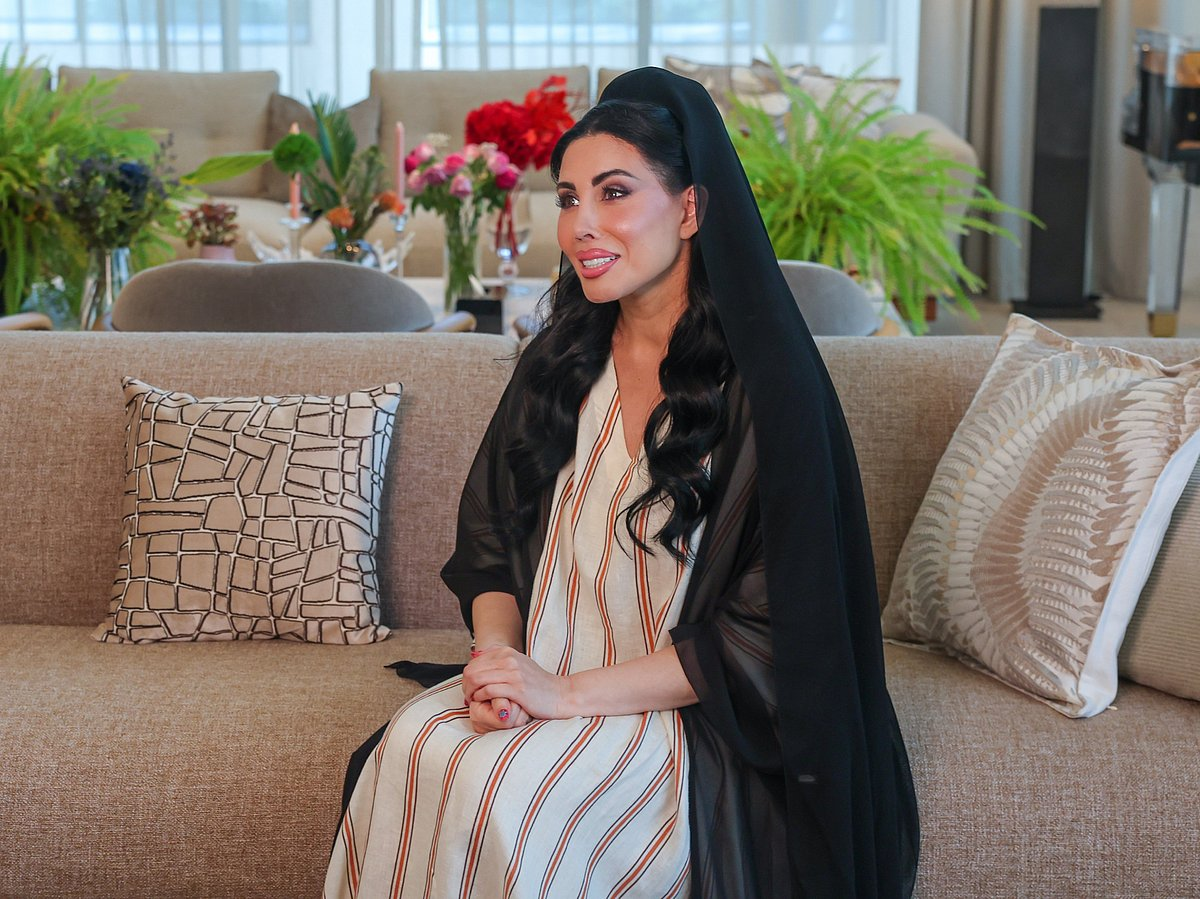
The UAE attracts some of the world’s biggest performers, but developing internationally successful artists at home requires more than concert venues and enthusiastic audiences.
For Rasha Khalifa Al Mubarak, chairwoman of Music Nation, the foundation is a music industry in which creators understand their rights and receive payment when their work is used commercially.
Her advocacy comes as the UAE prepares to implement a new music licensing tariff schedule on December 1, 2026. The framework covers commercial music use across sectors including restaurants, cafés, shops, hotels, gyms and broadcasting.
In an interview with Gulf News, Al Mubarak connected the ambition of producing globally recognised musicians with a more immediate challenge: ensuring artists can afford to keep creating.
UAE Music-Use Fees Take Effect in December
The forthcoming fees concern the commercial use of protected music, including the songs that help create an atmosphere in restaurants, hotels and fitness centres.
The UAE’s licensed collective management organisations include Music Nation and the Emirates Music Rights Association, which administer rights and royalties for the rights holders they represent.
The applicable charges vary by business category and factors such as seating capacity, floor area, room count or revenue. They are not a single flat fee imposed equally on every venue.
Legal analysis of the framework identifies Ministerial Resolution No. 136 of 2026 as approving the Collective Management in Music Guide, with collection under its tariff schedule beginning on December 1.
For musicians, the significance is the connection between commercial use and payment. For businesses, it is the establishment of a defined licensing framework.
Why Music Royalties Matter to Emerging Artists
A song can contribute to a business’s atmosphere and customer experience without its creators being visibly present.
Yet making that recording may involve songwriters, performers, producers, publishers and recording owners, each with a different role and potentially different rights.
Al Mubarak told Gulf News that her interest in music rights grew from recognising the gap between the value music creates and creators’ ability to earn from it.
That gap can be particularly consequential for independent musicians. Without a major label or other financial backing, income from existing work may help fund the next recording, rehearsal or release.
Exposure can introduce an artist to new listeners. It does not automatically pay production expenses.
How Music Nation Describes the Royalty Process
According to Al Mubarak’s explanation in the interview, the process begins with registering works and recordings and establishing accurate ownership information.
The organisation must also determine which rights it represents for the artist or other rights holder.
The broad process she described is:
| Stage | What it involves |
|---|---|
| Registration | Identifying the work or recording and its contributors |
| Ownership records | Establishing credits and ownership shares |
| Representation | Confirming which rights the organisation administers |
| Licensing | Authorising relevant commercial uses within the licence’s scope |
| Usage matching | Connecting reported or identified use with registered material |
| Distribution | Allocating royalties under the applicable rules |
This is not a promise of a fixed payment for every artist or every play.
The amount an individual receives depends on the relevant use, the rights involved, ownership shares and distribution rules.
One Artist Can Hold Several Roles
An artist may write a song, perform it and own the recording. Those activities can involve different entitlements.
Alternatively, several people or organisations may share those roles. A singer might perform a song written by someone else, while a label owns the recording.
That is why accurate credits and agreements matter. A familiar artist name alone does not establish who is entitled to every royalty associated with a track.
International Partnerships Support Music Nation’s Work
Music Nation’s rights-management ambitions include partnerships with BMI and SoundExchange.
BMI announced its partnership with Music Nation to develop UAE music licensing and royalty-distribution infrastructure, with a focus on public-performance rights and support for songwriters, composers and publishers.
In September 2026, SoundExchange announced a reciprocal agreement with Music Nation intended to strengthen cross-border administration of neighbouring rights between the United States and the UAE.
The agreement builds on their earlier technology and data partnership and is intended to help represented performers and recording owners receive relevant royalties across the two markets.
These arrangements address different parts of the rights system. They should not be interpreted as guaranteeing every musician payment from every international use.
Can the UAE Produce Its Own Beyoncé or Taylor Swift?
Al Mubarak’s answer centres on developing the industry around artists.
In her Gulf News interview, she highlighted the need for songwriters, producers, managers and distribution alongside performers. Regular paid opportunities are also important if musicians are to gain experience without making their careers financially unsustainable.
Her argument is that identifying a talented singer is only the beginning.
An artist seeking an international career needs the ability to develop songs, record consistently, perform, reach audiences and manage the commercial side of their work.
A sustainable music sector also needs room for more than a handful of stars. Many musicians should be able to earn a living even if they never achieve global celebrity.
Arabic Should Not Be a Barrier to Global Recognition
Al Mubarak also rejected the idea that Arab musicians must sing in English to be taken seriously internationally.
She argued that audiences can connect with voice, rhythm and emotion before understanding every lyric.
In that view, English-language releases and multilingual collaborations can be artistic choices, rather than compulsory steps towards recognition.
However, international attention still needs to be developed into a lasting career. Consistent releases, live performances, investment and effective distribution remain important regardless of language.
The goal she described is not to reproduce an existing global star’s identity. It is to give regional artists the support to reach wider audiences through their own work.
Clear Contracts Are as Important as Creative Talent
Al Mubarak identified rights education, transparent accounting and clearer agreements as priorities for the industry.
Before signing a contract, musicians need to understand the practical effect on their work and income.
Key questions include:
- What does the artist own?
- Which rights are being licensed or transferred?
- What uses does the agreement cover?
- How long does the arrangement last?
- How are earnings calculated and reported?
- Which organisation is responsible for collecting each type of income?
These questions help distinguish creative participation from ownership and commercial control.
A performer’s involvement in a recording does not, by itself, explain every contractual entitlement. The relevant agreements and rights must be identified.
What Businesses Should Understand About Music Licensing
For businesses, the central issue is whether their use of protected music is covered by the appropriate permission.
A personal music-streaming subscription does not, by itself, provide the commercial public-use rights a restaurant, shop or hotel may require. The UAE framework distinguishes those uses from private listening.
Businesses should establish the applicable category, the music and rights covered, and the scope of the licence being offered.
The framework also contains exemptions, including specified educational, governmental and private non-commercial contexts. Whether a particular activity qualifies depends on its circumstances and the applicable provisions.
The December start date is therefore a licensing milestone, not a claim that every occasion on which music is heard attracts the same charge.
Affordable Creative Spaces Remain Part of the Challenge
Royalty administration is only one part of Al Mubarak’s vision.
She also called for more affordable places to rehearse and record, regular opportunities for locally based musicians and stronger connections between education and paid work.
Those needs affect the day-to-day viability of an artistic career.
An artist may understand their rights but still struggle to afford studio time. Another may have completed a recording but lack the professional support to distribute and promote it.
Building a stronger industry requires those practical opportunities alongside functioning payment systems.
A Wider Commitment to Rights and Opportunity
Al Mubarak’s interview also connected her music work with her legal and humanitarian interests.
She discussed her involvement with INARA, which supports children and families affected by conflict, and her backing of Seize the Summit, a documentary following young survivors of war on a Mount Kilimanjaro climb.
Her emphasis was on sustained support and responsible representation. People featured in humanitarian storytelling, she argued, should be recognised for their personalities and ambitions rather than reduced to their traumatic experiences.
That perspective runs through her approach to music: rights and opportunity need practical systems that continue working beyond a moment of public attention.
Success Means Artists Can Keep Creating
The introduction of music-use fees will be judged partly by how effectively licensing income is administered and distributed.
For artists, the important outcomes will be understandable registration, accurate ownership records and clear explanations of payments. For businesses, they will include clarity about licensing requirements and the uses covered.
Al Mubarak’s broader ambition is a UAE music industry where earning from creative work becomes a normal, accessible part of professional life.
International stardom may be one possible result. The more immediate measure of progress is whether musicians can record their next song, perform regularly and build careers on terms they understand.
Frequently Asked Questions
When do the UAE’s new music-use fees take effect?
Collection under the announced tariff schedule begins on December 1, 2026.
What is Music Nation?
Music Nation is a UAE music-rights management organisation involved in licensing, royalty administration and distribution for the rights holders it represents.
Who is Rasha Khalifa Al Mubarak?
She is Music Nation’s chairwoman and a human rights lawyer whose work also includes humanitarian and cultural initiatives.
Does registering a song guarantee royalty income?
No. Payments depend on relevant music use, represented rights, ownership information and applicable distribution rules.
Can an artist receive income in more than one capacity?
Potentially. Someone who writes, performs and owns a recording may hold different rights, depending on the relevant agreements.
Do personal streaming subscriptions cover music played to customers?
Not automatically. Personal listening permissions are distinct from the rights required for commercial public use.
Must UAE artists sing in English to succeed internationally?
Al Mubarak argues that they do not. She believes Arabic-language artists can reach global audiences while retaining their own creative identities.
Read Also: Green Advertising Dubai Reflects a Changing Vision for Cities, Sustainability and Public Media