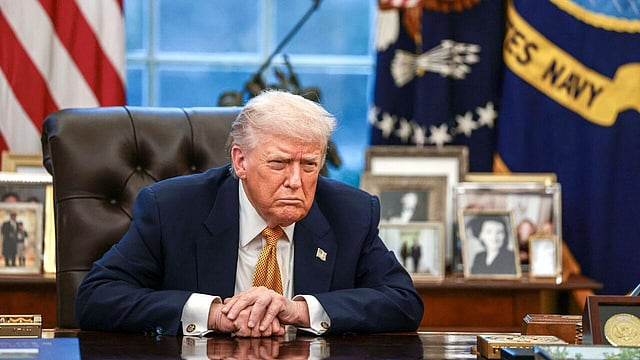
Diplomatic efforts to prevent renewed US strikes on Iran are continuing as President Donald Trump leaves military action open after the November 3, 2026 midterm elections.
Qatar is helping mediate exchanges between Washington and Tehran, but differences over sanctions, maritime access and security arrangements remain unresolved.
US Secretary of State Marco Rubio said Trump had not decided whether to launch further strikes and would prefer a diplomatic resolution. He did not announce a deadline for the talks.
For governments, businesses and residents across the Middle East, the immediate uncertainty is whether negotiations can produce an agreement before the confrontation escalates again.
Qatar Talks Continue After Iranian Delegation Leaves Doha
Iranian negotiators left Doha on Sunday following discussions with Qatari mediators.
An official told Reuters that their departure did not indicate difficulties in the talks and that a draft proposal was circulating. A further meeting remained possible.
Iran has linked progress to its demands concerning the US naval blockade and reopening the Strait of Hormuz. No final agreement was announced in that update.
The delegation’s departure therefore should not be treated as proof that diplomacy has collapsed. Equally, the circulation of a proposal does not establish that either side has accepted it.
What Is Keeping the Two Sides Apart?
The negotiations involve several connected issues rather than a single disagreement.
| Issue | Central question |
|---|---|
| Sanctions | What restrictions would be lifted, and when? |
| Iranian oil exports | What conditions would govern sales and shipments? |
| Strait of Hormuz | How would maritime access and security be restored? |
| Military arrangements | What commitments would prevent further attacks? |
| Nuclear programme | When and how would nuclear concerns be addressed? |
| Implementation | Which side would take the first steps, and how would compliance be assessed? |
Iranian officials have said they could move quickly to reopen the strait if an agreement meets Tehran’s conditions.
However, a conditional proposal is not an operational change. Shipping arrangements cannot be assumed to have returned to normal simply because negotiators have discussed a timetable.
The sequencing of concessions remains important: each side wants assurances that its own actions will be matched by the other.
Trump Keeps the Military Option Open
Trump has kept the possibility of renewed strikes in public discussion while diplomatic contacts continue.
Rubio’s comments indicate that Washington is pursuing negotiations without giving up the option of military action. Speaking after a G20 foreign ministers’ meeting in Atlanta, he declined to specify a timetable for Qatar-led diplomatic efforts.
Trump also spoke with Israeli Prime Minister Benjamin Netanyahu over the weekend, although the public description of their conversation offered little detail.
Reports of discussions about possible strikes are not confirmation that an operation has been authorised. The distinction matters as the approaching US elections intensify speculation about Washington’s next move.
Iran Warns of a Broader Response
Iranian officials have combined expressions of willingness to negotiate with warnings of retaliation if attacks resume.
According to the Gulf News report, citing CNN, a senior Iranian security official said potential targets could extend to infrastructure associated with artificial intelligence.
That statement is a reported threat. It does not establish that an attack on such facilities has occurred or identify a confirmed operational plan.
Iranian leaders have also warned that another confrontation could be more prolonged and geographically extensive. Such rhetoric adds to regional anxiety, but claims about new weapons or military capabilities remain distinct from independently demonstrated capabilities.
Why the Strait of Hormuz Is Central to the Talks
The Strait of Hormuz is a major route for energy shipments, making its security important well beyond the immediate conflict.
Disruption can affect the movement of oil and liquefied natural gas, while uncertainty can complicate shipping schedules, insurance arrangements and commercial planning.
This gives negotiations over maritime access both a security and an economic dimension.
An agreement would need to establish more than an intention to reopen shipping routes. Operators would also need clarity about the arrangements governing safe passage and whether those arrangements are being observed.
For that reason, statements about reopening the strait within days remain dependent on the wider diplomatic terms.
Damage to Qatari LNG Carrier Adds to Shipping Concerns
The Gulf News report, drawing on Associated Press coverage, said Nakilat’s LNG carrier Al Mayeda was struck by unidentified objects in the Gulf.
The vessel reportedly sustained damage but remained operational. No crew injuries or environmental impact were reported.
Qatar condemned the incident and launched an investigation. The account did not identify who was responsible.
Attribution remains an important unresolved point. The incident should not be assigned to a particular government or armed group without supporting evidence.
It nevertheless adds to concern about commercial shipping at a time when maritime security is already central to negotiations.
UAE Calls for Diplomacy While Preparing for Uncertainty
The UAE has stressed the need to avoid another round of conflict.
According to Gulf News, presidential diplomatic adviser Anwar Gargash said at a conference in Manama that the UAE hoped negotiations would achieve a breakthrough while preparing for the possibility of further escalation.
That position reflects the wider regional stakes. Even countries outside the immediate exchanges between Washington and Tehran can face consequences for trade, aviation, investment and public confidence.
Diplomatic statements of concern do not, however, establish that specific emergency restrictions or closures have been introduced.
Residents and Businesses Face Difficult Planning Decisions
The uncertainty is affecting daily life as well as government policy.
The supplied reporting describes residents worrying about flights, work arrangements and education if fighting resumes. Businesses also face the challenge of planning deliveries, travel and staffing without knowing how the security situation will develop.
These concerns should be distinguished from confirmed disruptions.
A fear that flights may be affected is not an airline cancellation notice. Similarly, reports of changed arrangements in one location should not be presented as a region-wide closure of schools or workplaces.
The practical effect will depend on where any escalation occurs and the measures taken by the relevant authorities and operators.
Why the US Midterms Matter to the Timeline
The November 3 elections have become a reference point in discussions about possible renewed strikes.
However, an election date is not itself a military deadline. Decisions could also depend on diplomatic exchanges, developments at sea, intelligence assessments and discussions between Washington and its partners.
Public warnings may be intended to influence negotiations, indicate preparations or serve several purposes at once. Their meaning cannot be established from rhetoric alone.
The clearest evidence of a change in the situation would be an official agreement, confirmed military action or documented changes to shipping and security arrangements.
What to Watch Next
Several developments would help clarify whether diplomacy is gaining ground:
- A confirmed US response to the latest proposal.
- Further meetings involving Iranian and Qatari officials.
- Agreement on the order of sanctions and maritime measures.
- Verifiable changes affecting the Strait of Hormuz.
- Official decisions concerning military operations.
- Findings from the investigation into the Al Mayeda incident.
For now, negotiations and military warnings are continuing in parallel. Neither an agreement nor a decision to launch further strikes has been established by the reporting reviewed.
Frequently Asked Questions
Has Trump confirmed new strikes on Iran?
The reporting reviewed does not establish a final decision authorising renewed strikes. Rubio said Trump had not decided and preferred a diplomatic resolution.
What role is Qatar playing?
Qatar is acting as a mediator, hosting discussions with Iranian representatives and helping facilitate exchanges with Washington.
Did the Iranian delegation’s departure mean the talks failed?
Not necessarily. Reuters reported that an official said the departure was not caused by difficulties and that a proposal remained under discussion.
What are the main disagreements?
They include sanctions, oil-export restrictions, maritime access, security arrangements and the sequencing of steps towards an agreement.
Has Iran reopened the Strait of Hormuz under a new deal?
A proposal to reopen the strait is not confirmation that an agreement has been reached or implemented.
Who was responsible for the Al Mayeda incident?
The account reviewed did not identify a responsible party. An investigation was announced.
Read Also: UAE and Canada Sign Trade Deal to Deepen Strategic Partnership