In the most intense escalation since a ceasefire was declared in November, Israel launched multiple airstrikes on southern Lebanon after several rockets were fired across the border into Israeli territory.
The Israeli military confirmed it targeted dozens of rocket launchers and a command center linked to Hezbollah, the powerful Iran-backed militia and political group. The Lebanese health ministry reported seven deaths, including a child, and at least 40 people injured in the attacks.
No group has claimed responsibility for the initial rocket fire, and Hezbollah denied involvement, stating it remained committed to the ceasefire. Lebanon’s military said it dismantled three improvised rocket launchers and has launched an investigation.
A second wave of Israeli strikes occurred later in the evening, hitting what the IDF described as command posts, infrastructure, and a weapons depot.
The flare-up comes just days after Israel ramped up its offensive in Gaza against Hamas, a close ally of Hezbollah. Although Hezbollah claims it had no part in Saturday’s attack, the violence has placed serious strain on the already fragile US- and French-brokered truce with Israel.
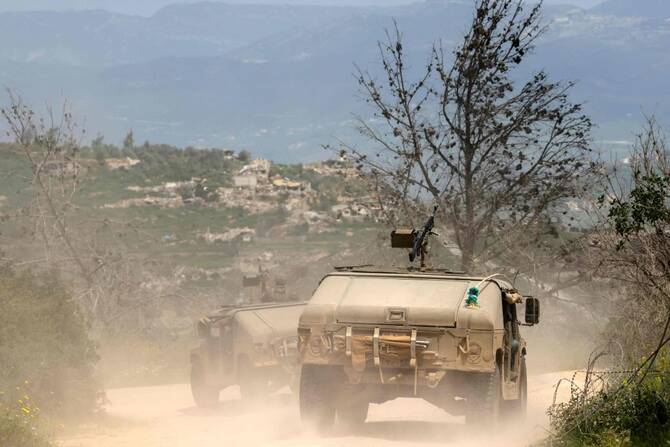
Under the terms of the ceasefire, Lebanon was to deploy more troops to the south, and Hezbollah was expected to withdraw its fighters and weapons. Meanwhile, Israel agreed to pull back from key positions. However, Israel has continued near-daily airstrikes, arguing it must prevent Hezbollah from rearming. The IDF still occupies five locations in southern Lebanon—an act Lebanese officials say violates national sovereignty.
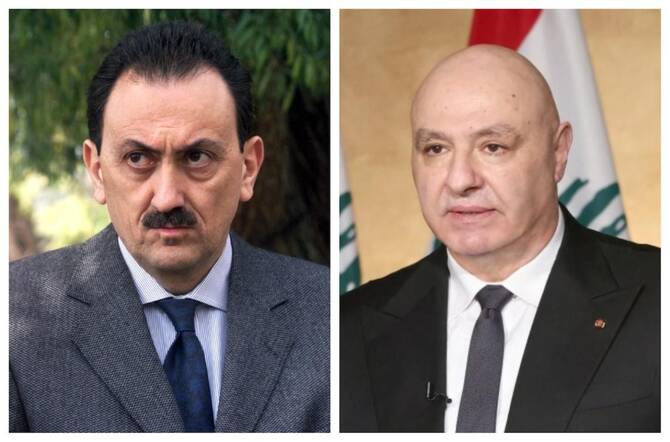
Lebanon’s President Joseph Aoun condemned the renewed violence, warning against dragging the country into another war. Prime Minister Nawaf Salam echoed that concern, saying the flare-up risks sparking wider conflict.
The UN peacekeeping force in Lebanon (UNIFIL) also voiced alarm over the escalation, urging both sides to uphold their commitments and avoid further bloodshed.
Hezbollah was severely weakened in last year’s conflict. Many of its leaders were assassinated, hundreds of fighters killed, and much of its weapons stockpiles destroyed. The group now faces pressure from both its critics and Lebanon’s international partners, who demand that the government rein in Hezbollah’s power in exchange for international support.
The violence traces back to October 7, 2023, when Hamas launched a deadly surprise attack on Israel. Hezbollah joined the fight shortly after, citing solidarity with Palestinians in Gaza. That move triggered an intense Israeli military response across Lebanon, resulting in around 4,000 deaths and the displacement of over 1.2 million people.
Israel has said its campaign aimed to eliminate Hezbollah’s threat from the border region and enable the safe return of 60,000 displaced Israeli residents.