Israeli Authorities Close UN Schools in East Jerusalem, Sending Hundreds of Students Home
Armed Israeli forces shut down three UN-run schools in East Jerusalem’s Shuafat refugee camp, forcing over 550 Palestinian students out of class in a move widely condemned by the international community.
The closures follow an Israeli government order banning the United Nations Relief and Works Agency (Unrwa) from operating educational institutions in the area—citing alleged ties to Hamas, which the agency strongly denies.
“Blatant Disregard for International Law”
Unrwa Commissioner-General Philippe Lazzarini criticized the closures as an “assault on education” and a violation of international law, stressing that the affected schools are “inviolable UN premises.”
“By enforcing these closure orders, Israeli authorities are denying children their basic right to learn,” Lazzarini wrote on X.
Unrwa confirmed that one staff member was detained during the operation, and described the scene as traumatic for students. Videos showed young girls embracing outside their school as armed Israeli personnel surrounded the area.
A closure notice posted on school walls explicitly banned the presence of students or staff on the premises.
International Backlash
The closures were also condemned by a coalition of foreign governments, including the UK, EU, Norway, Switzerland, Turkey, and Japan, who issued a joint statement supporting the students, parents, and teachers affected.
“Unrwa has operated in East Jerusalem under its UN General Assembly mandate since 1950. Israel is obliged under international humanitarian law to ensure the functioning of institutions dedicated to children’s education,” the statement said.
The Palestinian Authority called the move a direct assault on children’s rights.
Tensions Over Unrwa’s Role
The Israeli Knesset recently passed legislation banning Unrwa activity in Israeli territory and criminalizing contact between officials and the agency. Israel alleges Unrwa has been infiltrated by Hamas operatives—claims that have not been substantiated independently and are strongly rejected by the UN.
Unrwa plays a crucial role in Palestinian education and aid delivery, particularly in occupied territories and refugee camps. The agency warns that continued restrictions could threaten the futures of an entire generation.
Political Context and Legal Implications
Israel captured East Jerusalem during the 1967 war and annexed it in 1980—a move not recognized by most of the international community. Today, about 230,000 Israeli settlers live in East Jerusalem alongside 390,000 Palestinians.
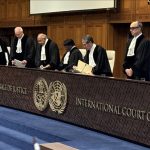
The International Court of Justice (ICJ) has reaffirmed the illegality of Israeli settlements in the territory and supported the protection of occupied civilians under international law.
What’s at Stake?
For the students and families in Shuafat, the closures represent more than a political move—they disrupt daily life and rob young Palestinians of stable access to education.
“This is about protecting a generation,” said Unrwa’s West Bank director. “Without schools, these children face immense uncertainty and risk.”
With Unrwa excluded from East Jerusalem and new restrictions being enforced, observers fear the move sets a dangerous precedent for humanitarian operations and children’s rights in occupied territories.