Israel’s military has instructed medical officials and international organizations to prepare for the evacuation of Gaza City’s one million residents as it moves forward with plans for a large-scale offensive. The evacuation, a crucial part of Israel’s strategy to secure Gaza City, comes after months of escalating tensions and ongoing conflict in the region.
Military Preparations and Evacuation Plans
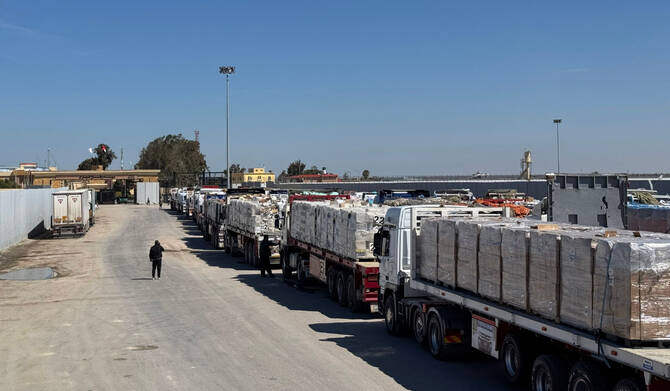
Israel’s military issued the warning to medical personnel and aid groups, announcing adjustments to hospitals in southern Gaza to accommodate the influx of patients. Despite the evacuation order, the Hamas-run health ministry rejected the move, calling it a direct attack on Gaza’s already fragile healthcare system. The UN and humanitarian organizations, however, have pledged to stay and continue providing aid to those unable or unwilling to leave the city.
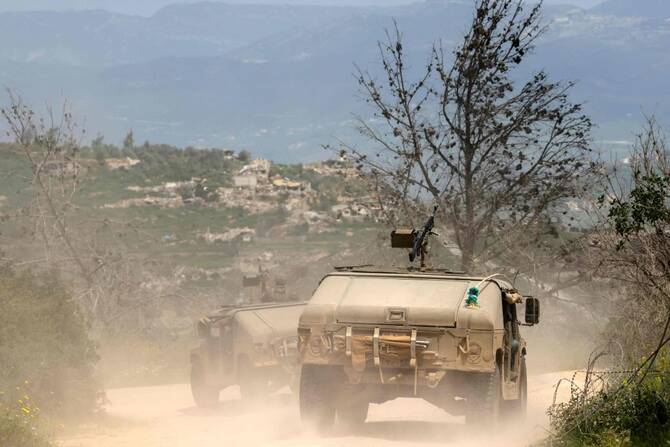
Israel’s plan includes evacuating Gaza City’s residents to southern areas before moving troops into the region’s largest urban center. The announcement follows recent Israeli airstrikes in eastern Gaza City, as military forces begin the initial stages of the offensive.
International Concerns and Local Resistance
The evacuation and military offensive are being met with international concern, particularly regarding the potential humanitarian consequences. The UN and various aid organizations warned that the offensive would lead to “horrific humanitarian impacts” and exacerbate the suffering of Gaza’s residents.
Locally, many Palestinians have expressed resistance to leaving their homes, despite Israeli broadcasts urging evacuation to “safe zones.” Many residents, fearing that they will be killed regardless of where they go, are determined to stay in Gaza City.
Bissan Ghazal, a resident of Gaza City, summed up the sentiment of many when she said, “We die a thousand times a day. We don’t want to leave, we want to stay here.”
Efforts for a Ceasefire and Ongoing Negotiations
Amid the escalating violence, efforts for a ceasefire remain stalled. Last week, indirect talks between Israel and Hamas broke down, leading to the announcement of a full military operation. Israel’s Prime Minister Benjamin Netanyahu has been under pressure both domestically and internationally, with calls for an immediate ceasefire to prevent further bloodshed.
Hamas has repeatedly accused Netanyahu of continuing a brutal war against Gaza’s civilians, further complicating negotiations for peace. As violence intensifies, discussions for a comprehensive ceasefire are ongoing, with mediation efforts led by Qatar and Egypt.
Global Reactions and Calls for Action
International leaders, including UN Secretary-General António Guterres, have called for an immediate ceasefire to prevent further loss of life. Meanwhile, families of Israeli hostages still held by Hamas have urged their government to accept a ceasefire proposal, hoping to secure the release of their loved ones.
Conclusion: A Tipping Point for Gaza and Israel
As Israel moves forward with its plans for Gaza City, the world watches closely. The humanitarian impact of the ongoing conflict, coupled with the looming military offensive, will have long-lasting consequences for Gaza’s population and the region at large. The coming days will be critical in determining whether diplomatic efforts can halt the violence or if the war will continue to claim more lives.