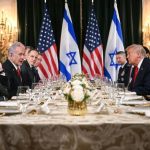
US President Donald Trump has formally requested that Israeli President Isaac Herzog pardon Prime Minister Benjamin Netanyahu, who has been standing trial on charges of bribery, fraud, and breach of trust. The letter, sent by Trump, asks Herzog to grant Netanyahu a full pardon, citing what Trump describes as a politically motivated and unjust prosecution.
Netanyahu’s Corruption Trial and Charges
Netanyahu, Israel’s longest-serving prime minister, has been involved in a lengthy legal battle for over five years. He is accused of receiving gifts from powerful businessmen in exchange for political favors, offering favorable media coverage in exchange for benefits, and making decisions to benefit an Israeli telecom company.
Despite these allegations, Netanyahu has denied all charges, labeling the trial as a “witch-hunt” orchestrated by his political adversaries.
Trump’s Support for Netanyahu
In his letter to President Herzog, Trump expressed his respect for Israel’s legal system but argued that Netanyahu’s trial was politically driven. He called Netanyahu “a formidable and decisive wartime prime minister” who has helped lead Israel through challenging times, particularly in dealing with adversaries like Iran.
Trump’s appeal also highlighted Netanyahu’s partnership with him during their tenure, emphasizing their collaboration on security issues and peace efforts.
Political Reactions and Challenges
Netanyahu’s trial has sparked considerable debate within Israel. While some of Netanyahu’s allies, including the far-right National Security Minister, support the idea of a pardon, others, including opposition leader Yair Lapid, argue that Netanyahu must first acknowledge his actions and express remorse. Israeli law typically requires a formal request from the accused for a pardon, which has yet to be made public.
What Lies Ahead for Netanyahu’s Trial?
The call for a pardon has intensified tensions surrounding Netanyahu’s legal battle, with many seeing it as a step toward undermining Israel’s judicial independence. As the trial continues, the political fallout remains significant, highlighting the divisions within Israeli politics.